As we move into May, the typical rhythm of the Northern Hemisphere’s respiratory season is shifting. For many in Germany, the lingering coughs and fatigue of winter are finally receding, but the public health landscape remains complex. Understanding the current prevalence of respiratory infections in Germany requires a nuanced look at how influenza, SARS-CoV-2, and various rhinoviruses interact within the population and the healthcare system.
For the past several seasons, Germany has grappled with what epidemiologists often describe as a “tripledemic”—the simultaneous circulation of influenza, COVID-19, and Respiratory Syncytial Virus (RSV). While the acute peaks of winter have passed, the interplay of these pathogens continues to shape workforce productivity and the operational capacity of primary care practices across the country.
As a physician and health journalist based in Berlin, I have observed a significant shift in how the public perceives these illnesses. The distinction between a “simple cold” and a more severe viral infection has become blurred, leading to increased pressure on general practitioners (Hausärzte) who must differentiate between symptoms that often overlap. The current situation is not merely a matter of individual health but a reflection of our collective immunity and the efficacy of our public health infrastructure.
Monitoring these trends is a rigorous process led by national authorities. By analyzing sentinel surveillance data and laboratory reports, health experts can determine whether we are seeing a standard seasonal decline or an atypical wave of infections. This data is critical for hospital resource planning and for updating vaccination strategies to match circulating strains.
The Role of the Robert Koch Institute in Viral Surveillance
The primary authority for tracking infectious diseases in Germany is the Robert Koch Institute (RKI). The RKI employs a comprehensive surveillance system that gathers data from a network of sentinel practices across the federal states. This allows the institute to track “influenza-like illnesses” (ILI) and laboratory-confirmed cases of various respiratory pathogens in near real-time.
Current surveillance patterns typically show a sharp increase in respiratory infections starting in November, peaking between January and March, and tapering off as the weather warms. However, the introduction of COVID-19 has disrupted these historical patterns. We now observe multiple “waves” of SARS-CoV-2 throughout the year, which can overlap with the traditional flu season, creating a compounded burden on the healthcare system.
The RKI’s data is essential because it informs the Standing Committee on Vaccination (STIKO). By analyzing which strains of the flu are most prevalent, STIKO can provide evidence-based recommendations on who should receive annual boosters and which formulations of the vaccine are most effective for the current season.
Distinguishing Between Influenza, COVID-19, and the Common Cold
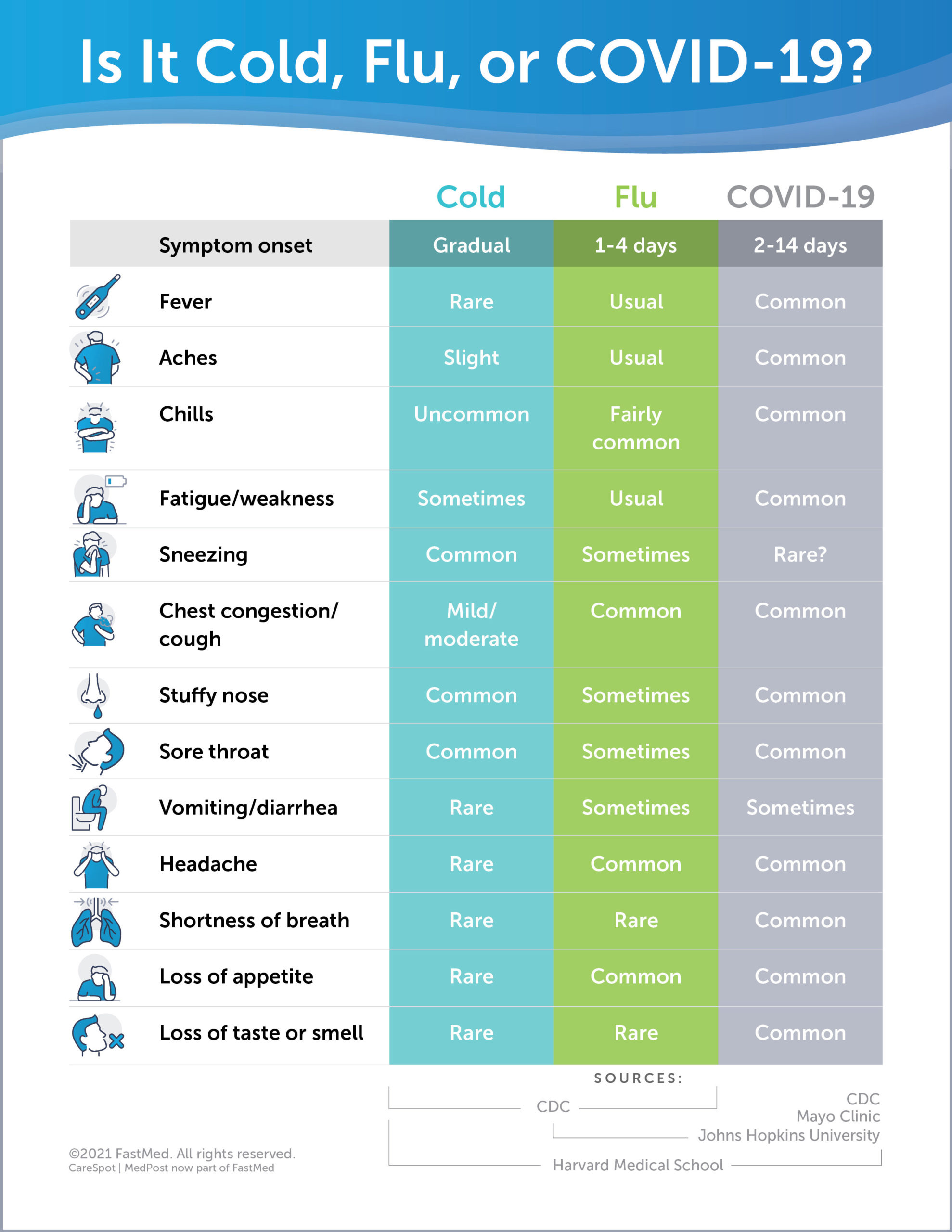
One of the most frequent challenges for patients in Germany is determining which virus is responsible for their symptoms. While all three primary respiratory threats affect the upper and lower respiratory tracts, their biological profiles and risks differ significantly.
The Common Cold: Usually caused by rhinoviruses or coronaviruses other than SARS-CoV-2, the common cold is generally mild. It is characterized by nasal congestion, sore throat, and a mild cough. While rarely life-threatening, its primary impact is economic, contributing to millions of lost workdays annually across Germany.
Influenza (The Flu): Unlike the common cold, the flu is a systemic infection. It typically presents with a sudden onset of high fever, muscle aches (myalgia), and severe exhaustion. According to the World Health Organization, influenza can lead to severe complications such as pneumonia, particularly in high-risk groups including the elderly, young children, and individuals with underlying chronic conditions.
COVID-19: SARS-CoV-2 remains a volatile variable. While many current variants result in symptoms similar to a cold or flu, the risk of “Long COVID” and severe pulmonary distress remains a concern. The ability of the virus to mutate rapidly means that immunity from previous infections or vaccinations can wane, necessitating periodic updates to booster shots.
RSV (Respiratory Syncytial Virus): While often overlooked by healthy adults, RSV is a major cause of bronchiolitis and pneumonia in infants and can be equally dangerous for the elderly. The seasonal surge of RSV often coincides with the flu peak, placing immense strain on pediatric wards during the winter months.
Healthcare Capacity and the ‘Sick Leave’ Phenomenon
The prevalence of respiratory infections in Germany has a direct correlation with the stability of the national economy and the functionality of the healthcare system. Germany has historically had relatively high rates of sick leave (Krankenstand) compared to some of its European neighbors, and respiratory infections are a primary driver of this trend.

When a significant percentage of the workforce is sidelined by a severe flu wave or a COVID-19 surge, the “domino effect” is felt across all sectors. In the healthcare sector specifically, this creates a paradoxical crisis: the demand for medical services increases exactly when the medical staff themselves are most likely to be ill. This leads to longer wait times in emergency rooms and a shortage of available appointments at general practices.
the psychological impact of repeated waves of illness cannot be ignored. “Pandemic fatigue” has led to a decrease in the adherence to basic hygiene measures, such as wearing masks in crowded spaces or staying home at the first sign of a scratchy throat. This behavioral shift can inadvertently prolong the duration of an infection wave within a community.
Preventive Strategies and Public Health Guidance
Mitigating the impact of respiratory infections requires a multi-layered approach. As an MD, I emphasize that prevention is not about the total eradication of viruses—which is impossible—but about reducing the severity of the illness and preventing the collapse of healthcare infrastructure.
Vaccination: The most effective tool against severe influenza and COVID-19 is vaccination. Annual flu shots are recommended for those over 60, pregnant women, and individuals with chronic illnesses. For COVID-19, staying up to date with boosters as recommended by STIKO helps maintain a baseline of protection against severe hospitalization.

Hygiene and Ventilation: Simple interventions remain highly effective. Regular hand washing with soap and water reduces the transmission of rhinoviruses and influenza. In indoor settings, particularly in offices and schools, “Stoßlüften” (shock ventilation)—opening windows wide for a few minutes several times a day—significantly reduces the concentration of viral aerosols in the air.
Responsible Recovery: There is a cultural tension in some professional environments between the need to recover and the pressure to return to work. However, returning to the office while still contagious not only risks a relapse for the individual but also facilitates the spread of the pathogen to colleagues, potentially increasing the overall number of sick days for the organization.
Summary of Respiratory Pathogens in Germany
| Pathogen | Primary Symptoms | Risk Group | Primary Prevention |
|---|---|---|---|
| Common Cold | Runny nose, sore throat | General population | Hand hygiene |
| Influenza | High fever, muscle pain | Elderly, chronic illness | Annual flu vaccine |
| COVID-19 | Variable; fever, cough | Immunocompromised | Updated boosters |
| RSV | Wheezing, congestion | Infants, elderly | Hygiene, new prophylaxis |
As we look toward the summer months, the prevalence of these infections will naturally decline. However, the lessons learned from the recent “tripledemic” seasons are vital. The stability of Germany’s health system depends on a combination of robust surveillance by the RKI, high vaccination uptake, and a societal commitment to basic hygiene and recovery.
The next critical checkpoint for public health monitoring will be the release of the next weekly influenza and respiratory virus report from the Robert Koch Institute, which will provide the most current data on viral circulation levels as we transition fully into the warmer season.
Do you have questions about current health guidelines or the best ways to protect your family during the respiratory season? Share your thoughts in the comments below or share this article with your network to spread awareness.
Worth a look