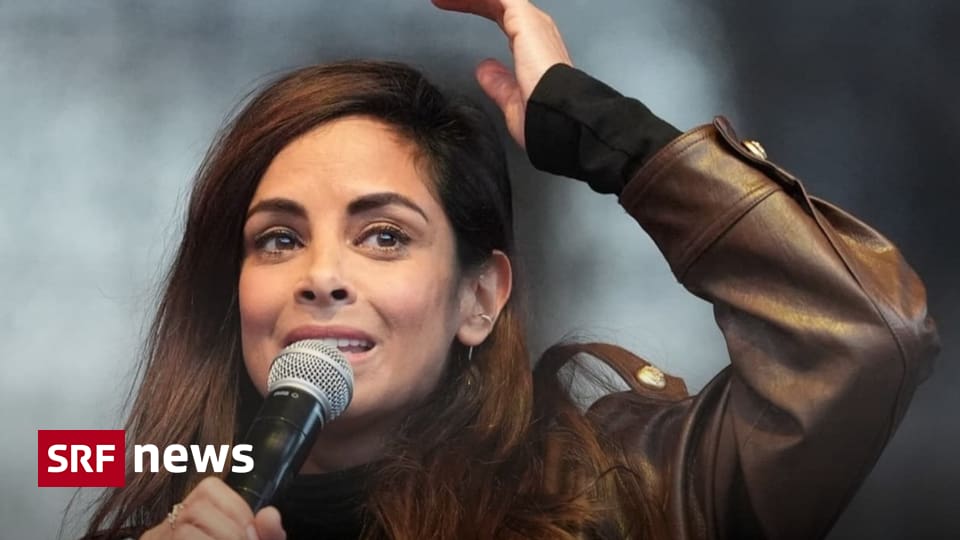
A Spanish court has decided to transfer a high-profile legal case involving actress Collien Fernandes and her ex-husband, Christian Ulmen, back to Germany. The Supreme Court of the Balearic Islands determined that it lacks the jurisdiction to handle the proceedings, citing a strong connection to German territory and the nature of the allegations.
The decision comes after Fernandes filed a complaint in Mallorca toward the finish of 2025, alleging a series of serious offenses by Ulmen, including identity theft, breach of secrets, public defamation, repeated maltreatment, and severe threats according to reports from DIE ZEIT. The case has since sparked a wider international conversation regarding digital violence and the legal challenges of prosecuting non-consensual pornographic content.
The presiding judge in Palma has ordered that the entire case file and all associated documents be handed over to the public prosecutor’s office in Itzehoe, located in Schleswig-Holstein, Germany. This move effectively shifts the legal battle from Spain to the German judicial system, where the court believes the evidence and witnesses are more readily accessible.
While the ruling marks a significant procedural shift, it is not yet legally binding and remains subject to potential appeal. The transfer reflects the court’s view that the “essential facts” leading to the complaint likely occurred on German soil or were disseminated via German-language digital platforms as stated in the court’s decree.
Jurisdictional Challenges and the Move to Itzehoe
The decision by the Balearic court to decline jurisdiction is rooted in the logistical and legal realities of the case. The judge noted that the primary witnesses involved are German citizens residing in Germany who speak German, making the German jurisdiction a more “preferred position” for continuing the investigations per the court’s ruling.
Central to the dispute are allegations of “digital violence,” specifically the creation of fake profiles containing pornographic content. Fernandes has alleged that Ulmen created these profiles to distribute pornographic representations of her, stating in reports that “my body was stolen from me for years” as cited by Tagesschau. Because the “main effects” of these digital actions—such as the disclosure of secrets and the alleged use of deepfakes—are believed to have occurred within Germany, the Spanish court found it inappropriate to lead the prosecution.
The transition to the Itzehoe prosecutor’s office means that German authorities will now be responsible for evaluating the evidence regarding identity misuse, insults, threats, and physical violence within the relationship. The case first gained widespread public attention on March 21, 2026, following an investigation by Der Spiegel, which triggered a broader societal debate on gender-based violence and the inadequacy of current laws regarding digital abuse.
The Broader Impact on Digital Violence Legislation
The legal battle between Fernandes and Ulmen has transcended a private dispute, prompting the German government to reconsider how it handles “digital violence.” The case has highlighted significant gaps in existing legislation, particularly regarding the creation and dissemination of AI-generated pornographic content, commonly known as deepfakes.
German Federal Minister of Justice Stefanie Hubig has used the visibility of this case to advocate for stricter penalties. Hubig stated that the goal is to ensure perpetrators “no longer experience safe” and must expect to be “effectively prosecuted under criminal law” according to statements given to RTL and ntv. Specifically, the Minister expressed a desire to close legal loopholes by making the production and distribution of pornographic deepfakes a clear criminal offense.
This political momentum suggests that the outcome of the Fernandes-Ulmen case may serve as a catalyst for legislative change in Germany. The focus is shifting toward creating a “clear legal situation” that protects victims from the lifelong impact of non-consensual digital imagery, which Fernandes has described as a theft of her own body.
Key Allegations in the Fernandes Case
- Identity Theft and Misuse: Allegations that fake profiles were created using the actress’s identity.
- Digital Abuse: The distribution of pornographic representations and the alleged use of deepfake technology.
- Interpersonal Violence: Charges including repeated maltreatment and severe threats within the relationship.
- Public Defamation: The use of digital platforms to damage the reputation of the victim.
What Happens Next in the Legal Process
The case now enters a critical phase as it moves into the German legal system. The public prosecutor’s office in Itzehoe will review the files transferred from Mallorca to determine if there is sufficient evidence to bring formal charges against Christian Ulmen. The investigation will likely focus on the digital footprints of the fake profiles and the testimony of the German-based witnesses mentioned in the Spanish court’s decree.

Because the Spanish ruling is not yet final, there remains a window for it to be challenged. However, the clear directive from the Balearic judge suggests that the center of gravity for this legal action is now firmly in Schleswig-Holstein. The German authorities will have to navigate the complexities of digital evidence that spans multiple jurisdictions while addressing the specific charges of identity theft and physical violence.
The next confirmed checkpoint in this matter is the review of the transferred case files by the public prosecutor’s office in Itzehoe to decide whether to file an indictment or discontinue the proceedings.
We welcome your thoughts on the intersection of digital privacy and law in the comments below. Please share this article to keep the conversation on digital violence and legal accountability moving forward.
Related reading