
The Ongoing Debate: Academic Freedom, Colloquia, adn Legal Challenges in France
Recent legal proceedings in Paris have brought the critical intersection of academic freedom, event organization, and legal recourse into sharp focus. Specifically, a tribunal administratif decision regarding a planned academic conference on Palestine and Europe has sparked debate about the boundaries of institutional authority and the rights of scholars.This article delves into the details of the case, its implications, and what it means for the future of academic discourse.
What Happened?
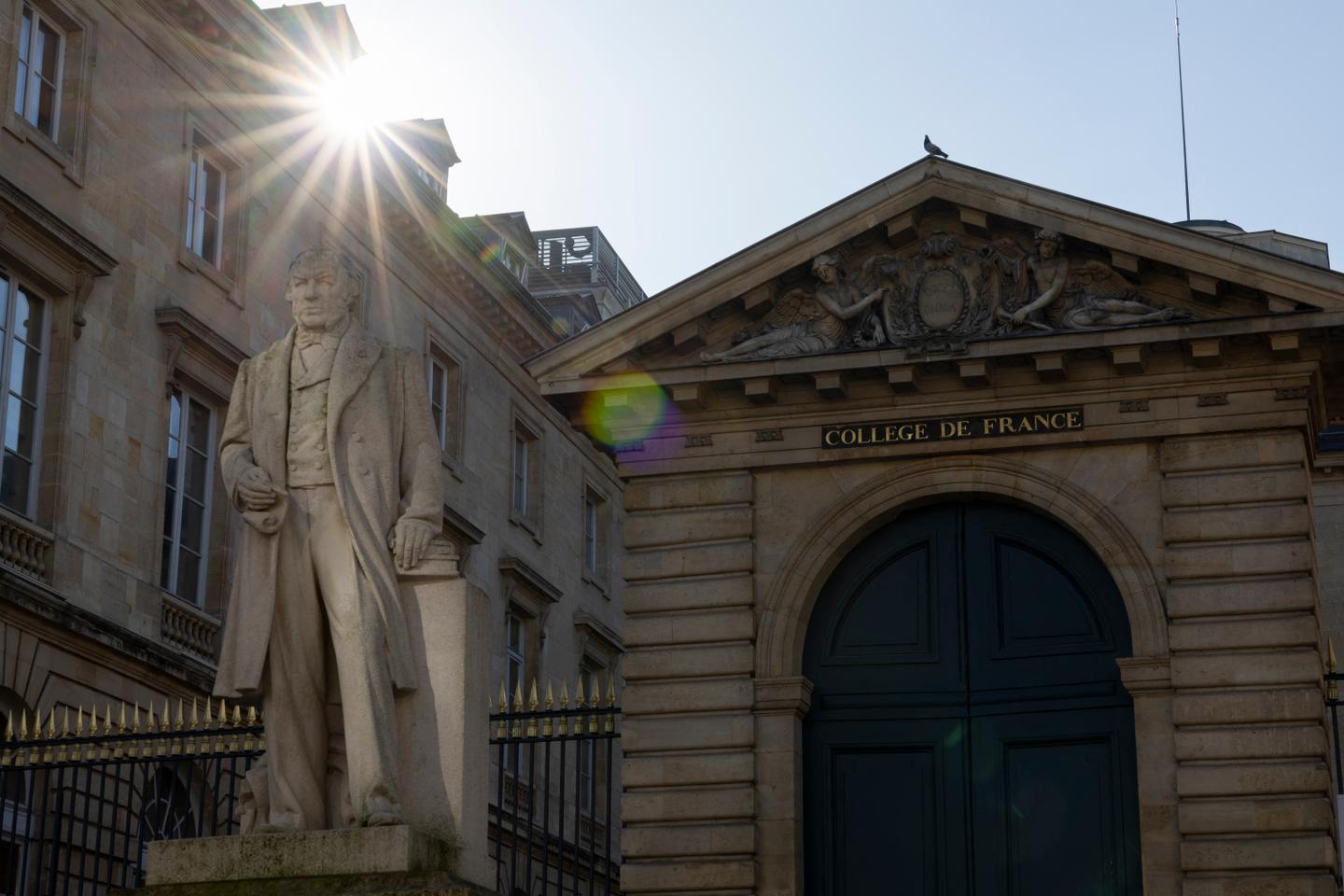
Initially, the administrator of the Collège de France decided to prohibit a scientific colloquium titled “Palestine and Europe: the weight of the past and contemporary dynamics.” Afterward, organizers filed urgent appeals, known as référé-liberté, seeking to overturn this decision. Tho, the administrative court of Paris ultimately rejected these appeals on November 12th.
Why Was the Colloquium Initially Blocked?
The court’s reasoning centered on the fact that the event was still able to proceed, albeit in a modified format. Despite the initial prohibition, organizers successfully secured an alternative venue and maintained the original dates of November 13th and 14th. Furthermore, they arranged for live streaming via video conference, ensuring broader accessibility.
How Did the Court Justify Its Decision?
The judge determined that because the colloquium coudl continue, no “serious and manifestly illegal infringement” of freedom of expression, assembly, or academic freedom had occurred. Therefore, immediate intervention wasn’t warranted. Essentially, the court acknowledged the disruption but deemed it insufficient to justify overriding the administrator’s decision within the expedited 48-hour timeframe of a référé procedure.
What are the Limitations of the Current Arrangement?
while the colloquium will proceed,it will do so under significantly altered circumstances. The event has been relocated to the Centre arabe de recherches et d’études politiques de Paris (Carep). This new venue has a capacity of only 35 people, a stark contrast to the 460-seat amphitheater originally reserved at the Collège de France. Consequently,the reduced space undeniably impacts the scope and accessibility of the event.
What Does This Case Reveal about Academic Freedom in France?
This situation highlights the delicate balance between institutional control and the autonomy of academic inquiry. Academic freedom, a cornerstone of higher education, allows scholars to pursue research and debate ideas without undue interference. Though, institutions also have a responsibility to maintain order and ensure events align with their overall mission. This case demonstrates that the exercise of institutional authority can, and sometimes will, be challenged in the courts.
What are the Potential Long-Term Consequences?
This ruling could set a precedent for future disputes involving academic events and institutional oversight. It suggests that courts may be hesitant to intervene unless an event is entirely canceled, rather than merely relocated or modified. This could embolden administrators to restrict events based on content concerns,knowing that legal challenges may be tough to win if the event still takes place in some form.
Frequently Asked questions: Academic Freedom & Event Restrictions
1. What exactly does “academic freedom” encompass, and how is it protected in France?
Academic freedom is the principle that scholars should be able to teach, research, and express their views without fear of censorship or retaliation. In France, it’s rooted in constitutional principles guaranteeing freedom of expression and is further reinforced by the autonomy granted to universities and higher education institutions.
2. If a university cancels an event,what legal recourse do organizers typically have?
Organizers can pursue legal action,frequently enough through a référé-liberté procedure,seeking an immediate injunction to reinstate the event. Though, as demonstrated in the recent Collège de France case, success depends on proving a “serious and manifestly illegal infringement” of fundamental freedoms.
3. How does a change in venue impact a claim of restricted academic freedom?
A change in venue, especially one that significantly reduces capacity, can be seen as a degradation of the event and a limitation on its reach. Though, courts may consider that the event is still *occurring



![Tech Deals: Limited-Time Offers & Discounts | [Year]](https://i0.wp.com/knowtechie.com/wp-content/uploads/2025/12/samsung-holiday-sale-1000x600.jpg?resize=150%2C100&ssl=1 "Tech Deals: Limited-Time Offers & Discounts | [Year]")


