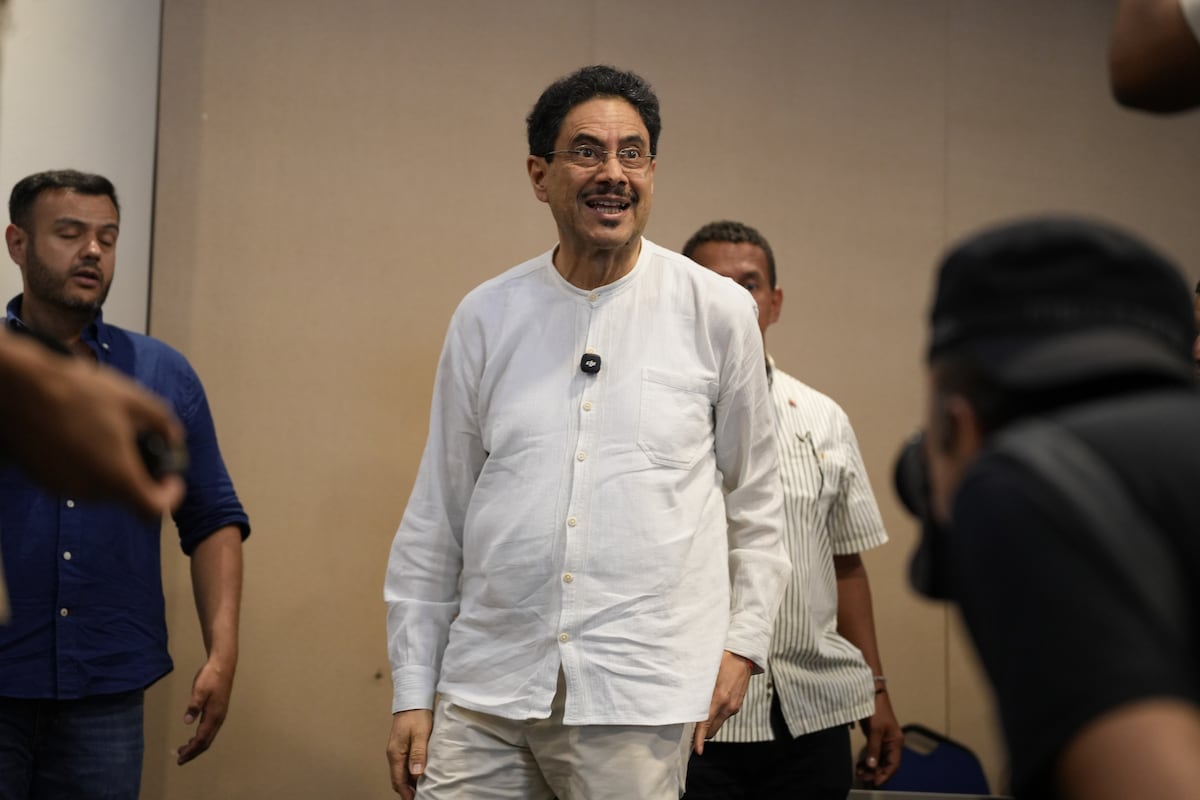
Iván Cepeda and Abelardo de la Espriella have reached a political deadlock regarding the format of a potential debate during the 2026 Colombian presidential election cycle. Cepeda has rejected De la Espriella’s requirement to include vice-presidential candidates, insisting that the confrontation remain a direct, one-on-one engagement between the two primary political figures.
The disagreement highlights growing tensions as candidates begin to outline their strategies for the upcoming electoral period. While Abelardo de la Espriella, a prominent lawyer and political figure, has proposed a debate involving the full “formulas”—the presidential and vice-presidential pairings—Senator Iván Cepeda has dismissed the move as an attempt to avoid direct scrutiny.
This dispute over debate conditions arrives amid a broader climate of political volatility in Colombia. Reports from various campaign diaries and local media outlets have raised concerns regarding the integrity of the electoral process, including allegations of staged attacks and irregularities in vote collection. However, security agencies have noted a lack of formal documentation to support some of the more extreme claims of campaign-related violence.
Why are Cepeda and De la Espriella disputing the debate format?
The core of the disagreement lies in the participation of vice-presidential candidates. Abelardo de la Espriella has maintained that any meaningful debate must include the full electoral tickets to ensure voters understand the entire platform of each side. He argues that the vice-presidential roles are integral to the governance model and deserve equal representation in public discourse.
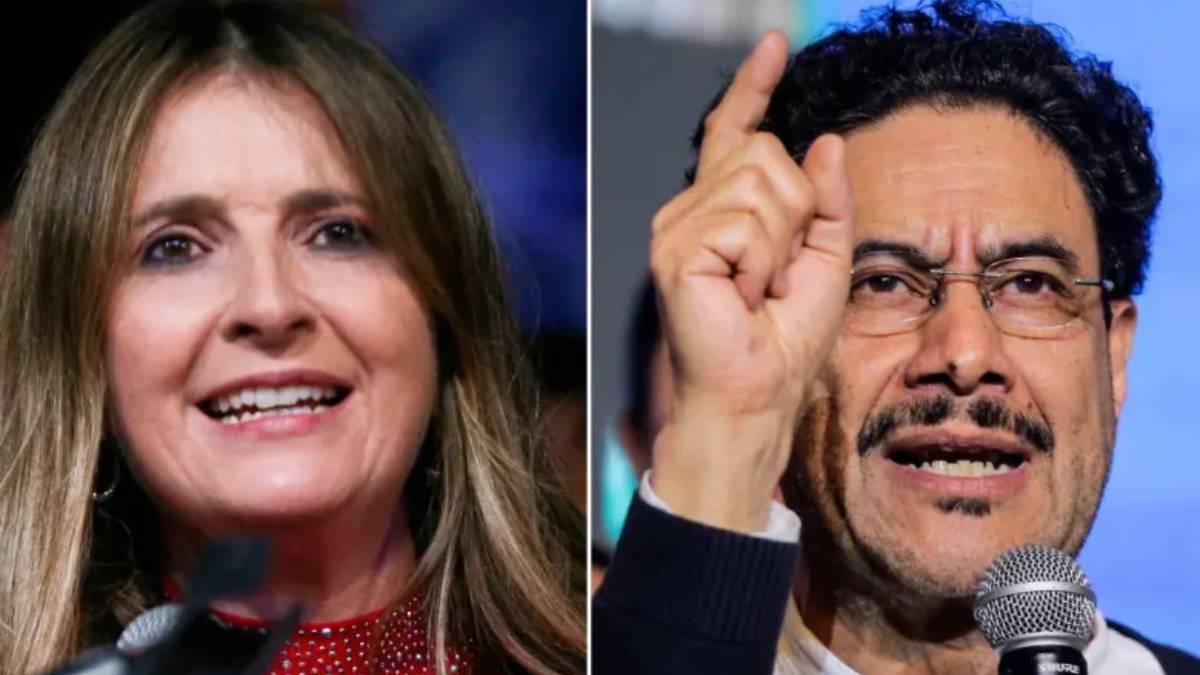
Senator Iván Cepeda has countered this position by demanding a head-to-head debate. According to reports on the negotiations, Cepeda characterized De la Espriella’s insistence on including his vice-presidential candidate as a tactical maneuver to dilute the intensity of the debate. “Don’t hide behind your formula,” Cepeda reportedly stated, signaling his intent to engage only with his primary opponent.
This tension reflects a common divide in Colombian political campaigning: the preference for individual accountability versus the presentation of a unified party platform. For Cepeda, the focus remains on the leadership of the presidential candidate, while De la Espriella views the “formula” as the inseparable unit that voters will ultimately choose.
The resolution of this dispute remains uncertain. Without an agreement on the format, the possibility of a high-profile televised debate—often a deciding factor in Colombian elections—remains stalled. The Consejo Nacional Electoral (CNE), which oversees electoral regulations in Colombia, typically provides the framework for such events, but individual candidate agreements often dictate the specific logistics and participants.
What security concerns are surfacing in the Colombian campaigns?
Beyond the debate format, the 2026 election cycle is being shadowed by allegations of “autoatentados”—a term used in Colombian politics to describe staged attacks or self-inflicted violence intended to garner sympathy or discredit opponents. These allegations have surfaced in various campaign diaries and political discussions, suggesting a strategy of manufactured crises to sway public opinion.

Despite the prevalence of these claims in political rhetoric, there is a notable gap between public allegations and official records. Security agencies in Colombia have confirmed that they have not received formal reports or evidence regarding several of the purported self-attacks mentioned in campaign circles. This discrepancy has led to questions about the accuracy of the information being circulated to the electorate.
The security landscape is further complicated by secondary allegations of:
- Vote buying: Reports of irregular transactions aimed at influencing local voting blocs.
- Information warfare: The use of unverified claims to create an atmosphere of instability.
- Campaign intimidation: General concerns regarding the physical safety of candidates in volatile regions.
Security experts suggest that the lack of official filings for “autoatentados” does not necessarily mean these events are not occurring, but it does indicate a lack of actionable intelligence for law enforcement. This creates a challenging environment for the state to ensure both the physical safety of candidates and the informational integrity of the campaign period.
How do these developments affect the 2026 election landscape?
The combination of debate stalemates and security uncertainties creates a complex environment for the Colombian electorate. When primary candidates cannot agree on the basic rules of engagement, it can erode public trust in the democratic process. The debate is not merely a media event; it is a mechanism for transparency and voter education.
The refusal to participate in a standardized debate format may leave voters with a fragmented understanding of the candidates’ platforms. If the “formulas” are not presented together, the interplay between presidential and vice-presidential visions remains untested, potentially leading to surprises once the election results are finalized.

Furthermore, the ambiguity surrounding campaign security and the “autoatentados” allegations could lead to a polarized information environment. If voters cannot distinguish between genuine security threats and politically motivated fabrications, the ability of the electorate to make informed decisions is compromised.
To monitor the progress of these developments, citizens and international observers typically look to the following institutions:
- Registraduría Nacional del Estado Civil: For official election dates and results.
- Consejo Nacional Electoral (CNE): For regulations regarding campaign spending and debates.
- Fiscalía General de la Nación: For updates on investigations into electoral crimes or violence.
Comparison of Debate Proposals
The following table summarizes the conflicting positions currently held by the two main figures in the dispute:
| Feature | Iván Cepeda’s Position | Abelardo de la Espriella’s Position |
|---|---|---|
| Participants | Direct one-on-one (Presidential candidates only) | Full “Formula” (Presidential and Vice-presidential) |
| Primary Objective | Direct confrontation of leadership | Presentation of complete party platforms |
| Stated Concern | Avoidance of scrutiny via secondary candidates | Ensuring comprehensive voter information |
As the 2026 election cycle progresses, the ability of these political actors to move past procedural disagreements will likely serve as a bellwether for the overall stability of the electoral process. The tension between individual accountability and collective party representation remains a central theme in the evolving Colombian political narrative.
Next Scheduled Checkpoint: Official schedules for the 2026 primary and general election cycles are expected to be formalized by the Registraduría Nacional in the coming months. Further updates on debate negotiations will depend on direct statements from the respective campaign offices.
What are your thoughts on the importance of vice-presidential inclusion in political debates? Share your comments below and share this article to join the conversation.
Keep reading