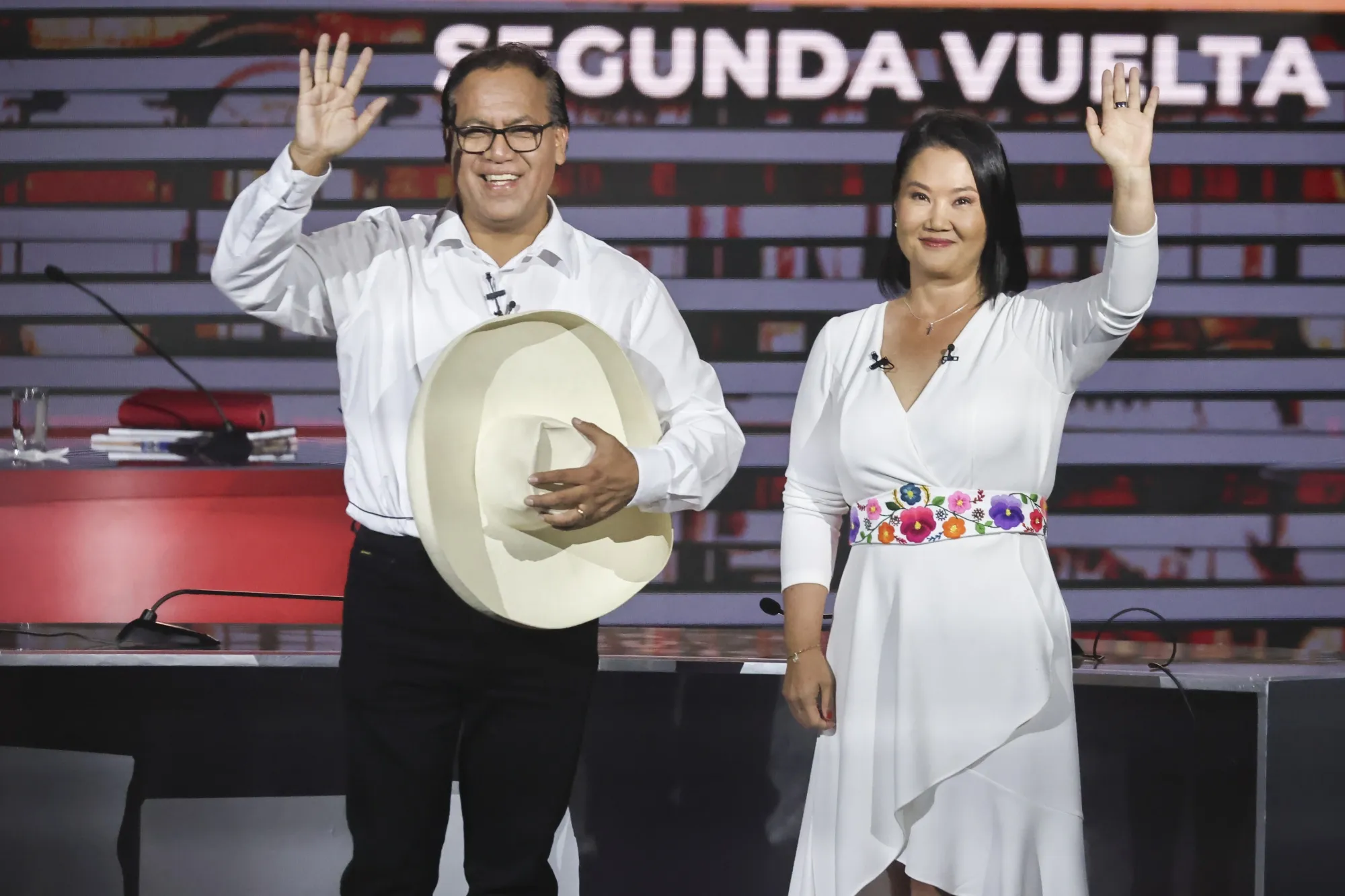
Peru’s presidential election remains in a state of high uncertainty as vote counting continues, with unofficial projections showing a razor-thin margin between leftist candidate Roberto Sánchez and his right-wing opponent Keiko Fujimori. While early tallies have placed Sánchez ahead, the National Office of Electoral Processes (ONPE) has cautioned that final, legally binding results may not be confirmed for up to two weeks due to the complexities of verifying rural and overseas ballots, according to reports from Ouest-France. The tight contest has triggered immediate volatility in financial markets, as investors react to the prospect of a significant shift in the country’s economic trajectory.
The current electoral impasse underscores the profound political fragmentation that has defined the Andean nation for the past decade. Peru has seen eight different presidents in ten years, a cycle of instability often driven by intense legislative-executive conflict and widespread public dissatisfaction with the established political class, as noted by Medias24. As the nation awaits the final tally, the outcome of this vote will determine whether Peru moves toward a more interventionist, state-led economic model or maintains its traditional market-oriented policies.
Market Reaction and Economic Uncertainty
The uncertainty surrounding the election has had a tangible impact on international financial markets. Shares of Peruvian companies listed on U.S. exchanges experienced a sharp decline as traders assessed the potential for radical policy changes, according to data monitored by Boursorama. Investors remain particularly sensitive to Sánchez’s campaign rhetoric, which has focused on constitutional reform and increased state control over key natural resources, such as the mining sector, which serves as the backbone of the Peruvian economy.
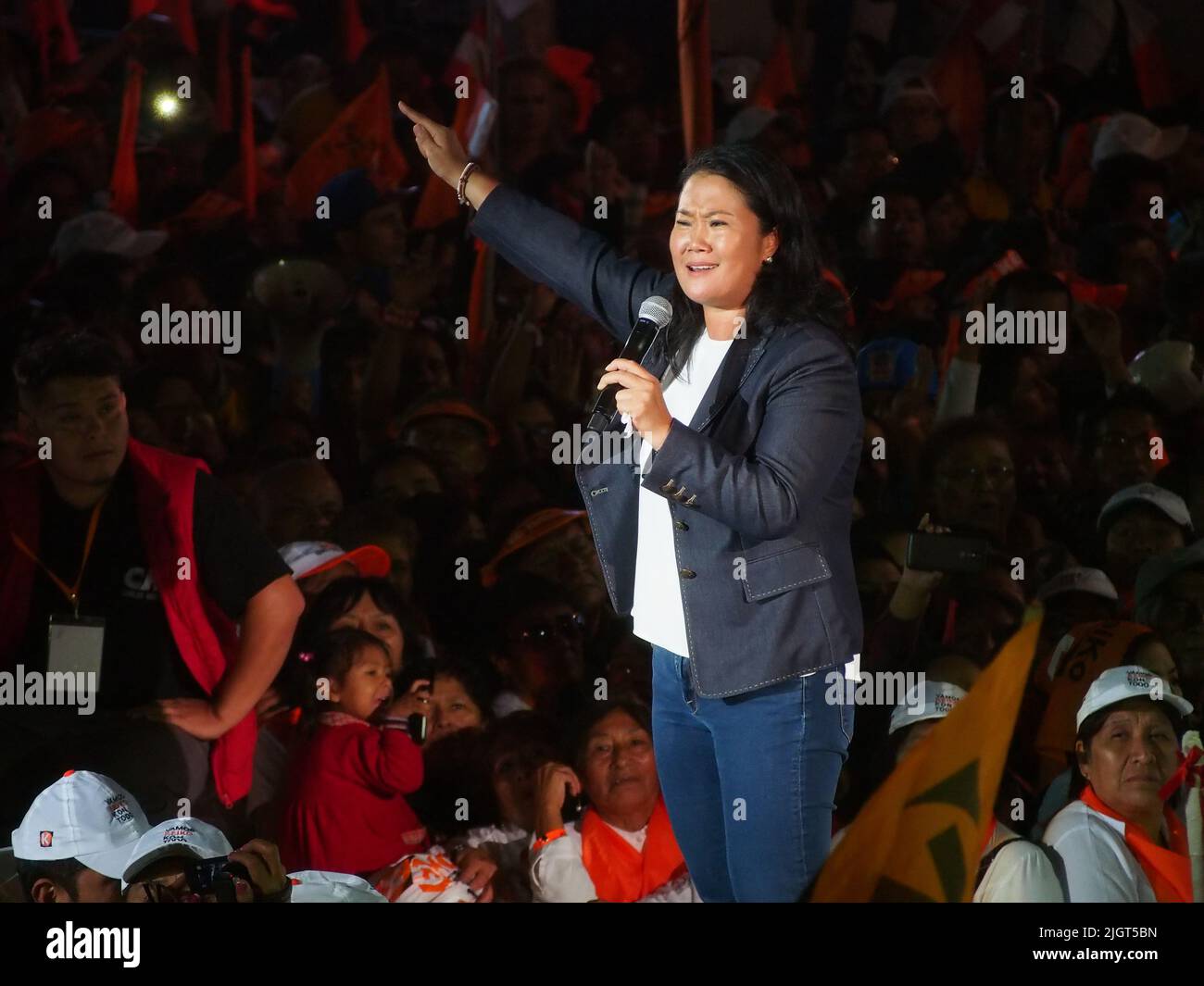
Financial analysts point out that this market anxiety is compounded by the lack of clarity on how a potential new administration would navigate a deeply divided Congress. Under the Peruvian constitution, a president must manage a legislative body that often holds the power to initiate impeachment proceedings, a mechanism that has been utilized repeatedly in recent years to remove sitting leaders, as detailed in reports by Le Temps. The risk of continued executive-legislative gridlock remains a primary concern for international rating agencies monitoring the country’s sovereign debt.
The Electoral Process and Timeline
The path to an official declaration of a winner involves a rigorous verification process overseen by the ONPE. Election officials have emphasized that the current lead held by any candidate is based on preliminary “quick counts” and sample tallies that do not account for the entirety of the national vote. The delay in finalizing results is primarily attributed to the logistical challenges of transporting physical ballots from remote Andean and Amazonian communities, as well as the processing of votes from the large Peruvian diaspora abroad, according to official updates from the National Office of Electoral Processes (ONPE).
Election observers have noted that this period of waiting is critical for the stability of democratic institutions. In past elections, narrow margins have occasionally led to allegations of irregularities, requiring the intervention of the National Jury of Elections (JNE) to resolve disputes. The JNE serves as the final authority on electoral legal matters, and its role in certifying the final count is the next major checkpoint in this process, as established by the Organic Law of Elections of Peru.
Historical Context of Political Instability
This election is occurring against a backdrop of long-term political volatility. Since 2011, Peru has faced a series of corruption scandals involving nearly every major political party, leading to the imprisonment or investigation of several former presidents. This systemic crisis of confidence has created an opening for political outsiders and candidates promising to dismantle the existing political order, a trend clearly visible in the current support levels for both Sánchez and Fujimori.

While Keiko Fujimori, daughter of former president Alberto Fujimori, represents a continuation of established conservative policies, her campaign has also been marked by legal challenges related to prior corruption allegations—a factor that has polarized the electorate. Conversely, Roberto Sánchez’s rise represents a mobilization of voters who have historically felt excluded from the benefits of Peru’s decade of macroeconomic growth. The interplay between these two distinct visions for the country continues to drive high levels of social tension, requiring a transparent and swift conclusion to the electoral count to prevent further civil unrest.
The next official update from the ONPE is expected as more physical tally sheets (actas) are processed and verified. Citizens and international observers are encouraged to monitor the official portal of the ONPE for real-time results and confirmed data updates. We will continue to provide analysis as the situation develops. Please share your thoughts in the comments section below.
Keep reading