Leftward Shift in Colombia: Historic Pact Dominates Senate as Presidential Race Heats Up
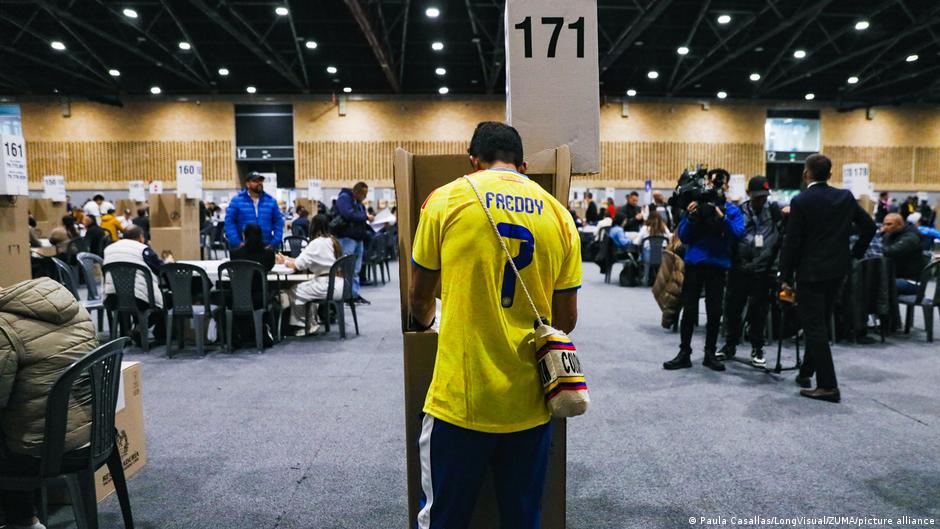
Bogotá – Colombia’s political landscape is undergoing a significant transformation as the left-wing coalition, Pacto Histórico, has emerged as the dominant force in the Senate following the recent legislative elections on March 8, 2026. This outcome, occurring just months before the presidential election on May 31st, signals a potential continuation of progressive policies and a challenge to traditional power structures in the country. The results demonstrate a sustained momentum for the left, building on the historic 2022 election of Gustavo Petro as Colombia’s first leftist president and a former guerrilla fighter, a watershed moment in the nation’s history. The strength of the Pacto Histórico in Congress will undoubtedly shape the political discourse and legislative agenda leading up to the presidential vote.
The Pacto Histórico, founded on February 11, 2021, secured approximately 4.4 million votes, representing 22.79% of the total, and is projected to gain around 25 seats in the Senate, a substantial increase from the 20 escaños they held previously. According to reports from El País, this victory strengthens the position of Senator Iván Cepeda, the coalition’s presidential candidate. The coalition, which includes parties and movements spanning the political spectrum from social democracy to progressivism, has successfully navigated legal challenges to solidify its position as a unified political force. The success of the Pacto Histórico is particularly notable given the recent fusion of several parties – the Polo Democrático Alternativo, the Unión Patriótica, and the Partido Comunista Colombiano – into a single entity, approved by the National Electoral Council in September 2025. The addition of the Progresistas party in December 2025 further bolstered the coalition’s ranks.
A Pivotal Moment for Presidential Aspirations
The legislative elections are widely viewed as a crucial indicator of public sentiment ahead of the presidential contest. Senator Iván Cepeda, representing the official party, celebrated the outcome, stating, “Hoy comienza nuestro segundo tiempo con una bancada fuerte” (“Today begins our second half with a strong bench”). As reported by El País, his opponent, lawyer Abelardo de la Espriella, expressed concern over the left’s dominance in Congress, deeming it a “grave” situation. Polls currently suggest a potential runoff election on June 21st, reflecting a deeply divided nation grappling with over half a century of armed conflict. The outcome of the legislative elections has undoubtedly raised the stakes for both candidates as they vie for the presidency.
The Pacto Histórico’s success in the Senate is not without its complexities. Although the coalition has gained significant ground, it has simultaneously experienced a setback with the loss of seats previously secured through the 2016 peace agreement with the Revolutionary Armed Forces of Colombia (FARC). This agreement had guaranteed ten seats in Congress for former FARC combatants for eight years, a benefit that expired in 2026. The loss of these seats represents a challenge for the left, requiring them to forge new alliances, particularly with centrist parties, to maintain legislative momentum. The right-wing opposition, led by figures like Álvaro Uribe Vélez, founder of the Centro Democrático party, now has an opportunity to strengthen its position in Congress, although De la Espriella has warned of governing by decree if elected.
The Shifting Sands of Colombian Politics
The rise of the Pacto Histórico reflects a broader trend of leftward political leaning in Colombia, a nation historically dominated by conservative forces. The coalition’s ideology, rooted in social democracy, progressivism, and a commitment to the welfare state, resonates with a growing segment of the population seeking social and economic reforms. According to Wikipedia, the coalition’s colors – blue, red, green, purple, and orange – symbolize its diverse base and inclusive vision. The coalition’s success can also be attributed to a strategic blend of experienced politicians, activists, influencers, and individuals with ties to traditional political networks, broadening its appeal across different demographics.
The composition of the new Senate includes prominent figures such as Wilson Arias, Aida Avella, and Esmeralda Hernández, alongside influencers like Walter Alfonso Rodríguez (known as Wally) and politicians with established political legacies like Pedro Flórez and Laura Ahumada. This diverse representation underscores the coalition’s ability to attract support from various sectors of Colombian society. The Centro Democrático, founded by former President Álvaro Uribe Vélez, remains a significant force in the Congress, though Uribe himself did not secure a seat in the Senate this election cycle.
The new Congress is scheduled to assume office on July 20th, just weeks before the inauguration of the new president, setting the stage for a potentially transformative period in Colombian politics. The legislative agenda will likely focus on key issues such as social justice, economic inequality, and the implementation of the peace agreement, with the Pacto Histórico poised to play a central role in shaping these policies.
The Future of the Peace Process and Coalition Dynamics
The loss of guaranteed seats for former FARC combatants in Congress raises concerns about the future of the peace process. The expiration of these seats underscores the challenges of reintegrating former guerrillas into civilian life and ensuring their political representation. The Pacto Histórico will need to actively address these concerns and work towards inclusive policies that promote reconciliation and sustainable peace. The coalition’s ability to forge alliances with centrist parties will be crucial in navigating these complex issues and maintaining the momentum of the peace process.
the formation of a new coalition, the Frente Amplio Unitario, comprised of parties not included in the fusion that created the Pacto Histórico party, introduces a new dynamic to the political landscape. This suggests a potential fragmentation of the left-wing movement and the emergence of alternative political forces. The interplay between the Pacto Histórico and the Frente Amplio Unitario will likely shape the future direction of Colombian politics and the implementation of progressive policies.
The consolidation of the Pacto Histórico as a dominant force in the Senate represents a significant shift in Colombian politics. The outcome of the upcoming presidential election will determine whether this momentum translates into a sustained period of left-wing governance and transformative change. The challenges facing Colombia – including deep-rooted social inequalities, ongoing armed conflict, and the complexities of the peace process – require a collaborative and inclusive approach. The ability of the political forces to bridge divides and work towards common goals will be crucial in shaping the future of the nation.
The next key date to watch is May 31st, the date of the presidential election. Following the election, all eyes will be on the formation of the new government and the unveiling of its legislative agenda. Stay tuned to World Today Journal for continued coverage of the evolving political landscape in Colombia.
What are your thoughts on the rise of the left in Colombia? Share your comments below and join the conversation.
Related reading