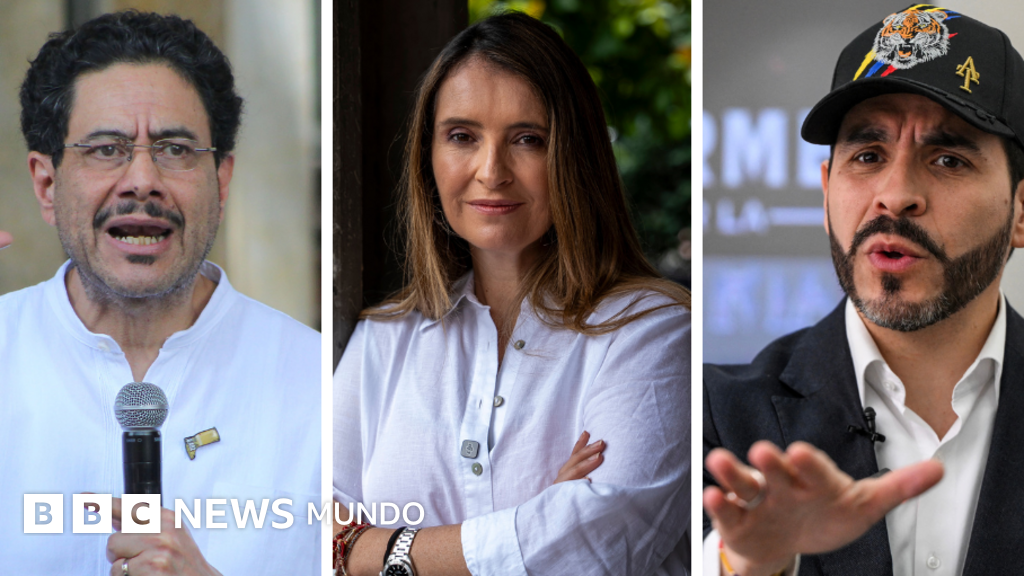
As the political landscape in Bogotá begins to shift toward the 2026 electoral horizon, the question of who will succeed President Gustavo Petro has become the central focus of Colombian public life. With the current administration navigating significant legislative hurdles and a polarized national sentiment, the race to lead the country is already taking shape, marked by a blend of established political heavyweights and emerging figures from across the ideological spectrum.
The upcoming general election will not only determine the next head of state but will also serve as a referendum on the reformist agenda championed by the Pacto Histórico coalition. As voters look ahead, they are grappling with concerns ranging from the stability of the national healthcare system to long-term economic recovery and the ongoing implementation of the 2016 peace accords. Understanding the main candidates for the Colombian presidency requires a careful look at the shifting alliances and the institutional challenges that will define the next two years of campaigning.
The Institutional Context of the 2026 Election
Colombia’s political system is currently defined by the limitations of its constitutional framework. Under the 1991 Constitution, presidents are restricted to a single four-year term, meaning Gustavo Petro is constitutionally barred from seeking immediate re-election. This structural reality has effectively turned the latter half of his term into a period of intense positioning for potential successors, who must weigh the benefits of aligning with the current administration against the risks of being tethered to its controversies.

Economic indicators, including recent adjustments to national growth projections by the Banco de la República, remain a primary point of contention. The administration’s ambitious efforts to restructure the healthcare sector—a process involving complex legislative debates in the Colombian Congress—have created friction with opposition parties and various stakeholders in the medical community. These debates are expected to dominate the discourse, as candidates will be forced to present clear alternatives to the current government’s policy trajectory.
Key Political Figures and Emerging Contenders
While the official electoral calendar is managed by the Registraduría Nacional del Estado Civil, the unofficial campaign cycle is already underway. The field of potential contenders is broad, drawing from both the traditional political class and those who have risen to prominence through regional governance.
On the right and center-right, figures who have historically opposed the current administration are consolidating their platforms. These candidates often emphasize fiscal austerity, security sector strengthening, and a more private-sector-friendly approach to economic management. Simultaneously, the center-left and progressive movements are attempting to preserve the momentum of the 2022 victory, though they face the difficult task of maintaining a unified front while addressing public dissatisfaction with certain reform outcomes.
as of mid-2024, many potential candidates have yet to formalize their bids. In Colombia, the formal registration process for presidential candidates typically occurs months ahead of the first round of voting, which is constitutionally mandated to take place in the spring of the election year. Much of what is currently reported remains within the realm of political speculation rather than finalized electoral strategy.
The Role of Public Opinion and Policy Challenges
The electorate’s focus remains anchored in the day-to-day realities of governance. According to recent reporting by major international news outlets, the debate over the future of the healthcare system—specifically regarding the role of EPS (Entidades Promotoras de Salud)—remains a significant factor in how voters view potential candidates. The Ministry of Health continues to manage the transition toward a more centralized model, a process that has sparked both support from the government’s base and sharp criticism from opposition legislators who fear a decline in service quality.
Beyond healthcare, security remains a paramount issue. The government’s “Total Peace” policy, which seeks to negotiate with various armed groups, has yielded mixed results. The effectiveness of these negotiations, monitored by international bodies such as the United Nations, will likely serve as a litmus test for any candidate claiming to offer a viable path toward national reconciliation.
Key Takeaways for the International Observer
- Constitutional Limits: President Gustavo Petro is ineligible for re-election, ensuring a change in leadership by 2026.
- Legislative Gridlock: The success of the next president will largely depend on their ability to build coalitions within a fragmented Congress.
- Policy Priorities: Healthcare reform, economic inflation, and security policy remain the top three concerns for the Colombian public.
- Electoral Timeline: Formal candidate registration will occur closer to the 2026 election date, as per the rules set by the national election authority.
Looking Ahead: What Happens Next?
As we move toward the final stages of the current administration, observers should look to the Registraduría Nacional for the release of the official electoral calendar, which will define the deadlines for candidate registration and the start of the formal campaign period. These dates are the only reliable markers for when the field of contenders will be finalized.

For our readers, keeping track of the debates in the Colombian Congress regarding the national budget and the remaining reform packages will provide the best insight into the policy platforms that will define the upcoming election. We will continue to monitor these developments closely, providing updates as official announcements are made.
What are your thoughts on the political direction of Colombia? We invite our readers to join the conversation below and share their perspectives on the challenges facing the next administration.
Worth a look