Navigating the New Data Landscape: MIL, AI, and Press Freedom in Colombia
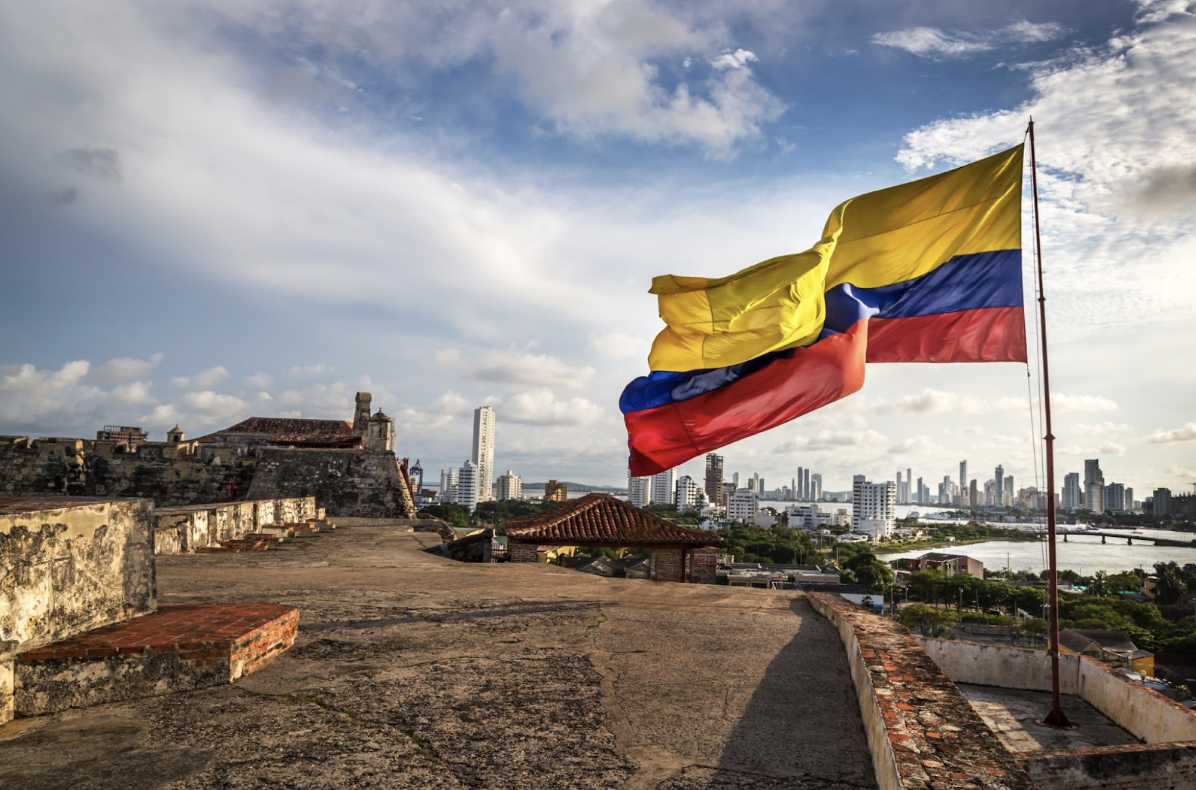
The intersection of Media and Information Literacy (MIL) and Artificial Intelligence (AI) is rapidly reshaping how we understand and interact with the world. This October 23-24, UNESCO will convene a crucial conference in the historic city of Cartagena de Indias, Colombia, titled “Minds Over AI – MIL in Digital Spaces.” This event isn’t just an academic exercise; it’s a vital conversation about safeguarding truth and fostering a resilient information ecosystem in a world increasingly influenced by AI.
As a long-time observer of the media landscape, I’ve seen firsthand how quickly things can change. And right now, the changes are accelerating. this article will break down the key themes of the UNESCO conference, and importantly, contextualize them within the very real challenges facing press freedom and information access in Colombia.
Why MIL Matters Now More Then Ever
The UNESCO conference rightly focuses on empowering individuals, institutions, and society to critically engage with the opportunities and challenges presented by AI. Here’s what’s at stake:
* AI’s Impact on Trust: AI-generated content, deepfakes, and sophisticated disinformation campaigns are eroding trust in traditional media sources. You need the skills to discern fact from fiction.
* Journalism’s Pivotal Role: Journalists are on the front lines, not just reporting the news, but also modeling responsible information consumption and promoting MIL principles.
* Policy & Governance: Policymakers need to understand AI’s implications to craft effective regulations that ensure accountability, clarity, and an open digital ecosystem.
* Digital Inclusion: Bridging the digital divide is crucial. Everyone deserves access to the tools and knowledge to participate fully in the digital world.
* Combating Disinformation: MIL equips communities with the resilience to resist online disinformation and harmful content, protecting democratic processes and social cohesion.
colombia: A Critical Case Study
While UNESCO champions MIL as a global solution, the situation in Colombia highlights the urgent need for these skills. The country is grappling with a complex media surroundings and a concerning decline in press freedom.
Here’s a snapshot of the challenges:
* Concentrated Media Ownership: Like many Latin American nations, Colombia’s media landscape is dominated by a few powerful owners.This lack of diversity can limit perspectives and perhaps stifle independent reporting.
* Public Media Independence: The Inter-American Commission on Human Rights (IACHR) has raised concerns about the autonomy of public media in Colombia, emphasizing the need for citizens to critically evaluate information.
* A Dangerous Environment for Journalists: In 2024, Colombia was the second most lethal country for journalists in the Americas, according to the IACHR. This creates a climate of self-censorship, displacement, and exile.
* AMI‘s Urgent plea: The Colombian Association of News Media (AMI), representing the majority of the nation’s press for 64 years, has repeatedly warned of “chilling risks” to freedom of the press. They are actively urging citizens to defend their rights to freedom of expression and access to information.
What You Can Do: Becoming a Savvy Information Consumer
The challenges in Colombia, and globally, aren’t insurmountable.But they require a proactive approach. Here’s how you can strengthen your own MIL skills and contribute to a more informed society:
* Question Everything: don’t accept information at face value. Consider the source, the author’s intent, and potential biases.
* Cross-Reference Information: Verify claims by consulting multiple reputable sources.
* Be Aware of AI-Generated Content: Learn to recognize the hallmarks of AI-generated text and images. Tools are emerging to help with this, but critical thinking remains essential.
* Support Independent Journalism: Subscribe to trustworthy news organizations and support journalists who are committed to ethical reporting.
* Engage in Constructive Dialog: Share your knowledge with others and encourage critical thinking within your communities.
* Demand Transparency: hold media organizations and policymakers accountable for upholding press freedom and promoting responsible information practices.
The UNESCO conference in Cartagena is a critical step in addressing the challenges of the digital age. But ultimately, the success of MIL depends on you. By embracing critical thinking, supporting independent journalism, and demanding transparency, you can become a powerful force for truth and resilience in a world increasingly shaped by AI.
Resources:
Keep reading