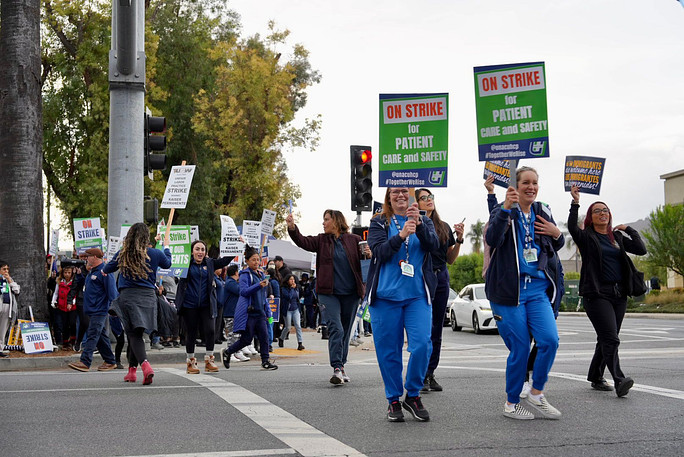
Kaiser Strike Signals Growing Labor Unrest in US Healthcare: A Deep Dive
The recent strike at Kaiser Permanente, involving over 75,000 workers, isn’t just about one health system. It’s a potent signal of escalating tensions and a brewing labor movement across the entire US healthcare landscape. This analysis will unpack the factors driving this unrest, the likely impact of the strike, and what healthcare leaders need to do to navigate this challenging environment.
The Perfect Storm: Why Healthcare Workers are Striking
Several converging factors are fueling this surge in labor action. Healthcare professionals are facing unprecedented pressures, and the current situation is unsustainable.
* Wage Stagnation Amidst Rising Costs: Workers are struggling to keep pace with inflation, while the cost of living continues to climb. This creates meaningful financial strain, particularly for those on the front lines of patient care.
* Executive Compensation Disparity: Simultaneously, executive salaries within both health systems and insurance companies are experiencing substantial increases. This widening gap fuels resentment and a perception of unfairness.
* Burnout & Staffing Shortages: Years of pandemic-related stress, coupled with chronic understaffing, have led to widespread burnout. workers are demanding better working conditions and adequate support.
* Patient Care Concerns: Understaffing directly impacts the quality and safety of patient care, adding another layer of frustration for dedicated healthcare professionals.
The kaiser Strike: A Signal, Not a Shutdown
The five-day strike at Kaiser is strategically designed to demonstrate the seriousness of worker demands without causing catastrophic disruption to patient care. While any strike impacts operations, the nature of healthcare limits the typical “stockpile and surge” strategy used in other industries.
* Immediate Financial Impact Limited: Healthcare services are time-sensitive. Delaying care can have serious consequences,meaning patients will either seek treatment elsewhere or potentially forgo it altogether.
* Short-Term Strikes Send a Message: A brief, focused strike like this one is primarily intended to pressure the employer and galvanize union members. It’s a clear indication that workers are prepared to take action.
* Ripple Affect across the Industry: Experts predict this strike will have a broader impact, encouraging similar actions at other healthcare organizations facing similar issues. “There’s a lot of unrest boiling beneath the surface,” notes healthcare economist Paul Friedman.
What Experts Are Saying: Perspectives from Both Sides
Insights from seasoned healthcare leaders offer valuable context.
Chris Olivia, a retired health system executive with experience on both sides of labor negotiations, believes a resolution is likely within the next week.He emphasizes the importance of transparency and honest interaction.
* Focus on Resolution: A five-day strike frequently enough suggests the union is close to an agreement but needs to demonstrate strength to both the employer and its members.
* Operational Disruptions are Manageable: Hospitals can typically adjust to short-term strikes by shifting resources to critical patients and rescheduling elective procedures.Kaiser is actively utilizing temporary staff and virtual care options to mitigate disruptions.
* Honesty is the Best Policy: Olivia advises healthcare leaders to be upfront with union representatives about the organization’s financial situation. Demonstrating a commitment to fair compensation when possible builds trust.
Key Takeaways for healthcare Leaders
Navigating this evolving landscape requires a proactive and empathetic approach. Here’s what healthcare leaders should prioritize:
* Prioritize Transparency: Openly share financial information and operational challenges with union representatives.
* Invest in Workforce Wellbeing: Address burnout by improving staffing levels, offering mental health support, and fostering a positive work environment.
* Embrace Partnership: Integrate union input into decision-making processes to build trust and demonstrate a commitment to collaboration.
* Recognize the Value of Your Workforce: Healthcare professionals are the backbone of any accomplished organization. Fair compensation and benefits are essential for attracting and retaining talent.
* Proactive Negotiation: Don’t wait for a crisis to begin discussions. Regular, open communication with unions is crucial for preventing disputes.
The Future of Healthcare Labor Relations
The Kaiser strike is a wake-up call. The US healthcare system is facing a critical juncture. Ignoring the concerns of frontline workers will only exacerbate existing problems and jeopardize the quality of care. A shift towards greater transparency, collaboration, and investment in the workforce is essential for building a lasting and equitable future for healthcare.
Image Credit: UNAC/UHCP
Disclaimer: *I am an AI chatbot and
Worth a look