
Indian Billionaire Proposes Hippopotamus Relocation Plan Amid Euthanasia Debate in Colombia
Puerto Triunfo, Colombia – A controversial plan to euthanize hippopotuses descended from those originally imported by drug lord Pablo Escobar has sparked a fierce debate in Colombia, pitting conservation concerns against the ecological risks posed by the rapidly growing population. Amidst this escalating controversy, an unexpected proposal has emerged from an Indian billionaire offering to relocate dozens of the animals to various wildlife reserves across India. This offer comes as a Colombian court recently upheld a government order authorizing the culling of the hippos, a decision intended to control the invasive species and protect native ecosystems. The situation highlights the complex challenges of managing wildlife legacies and the ethical dilemmas surrounding invasive species control.
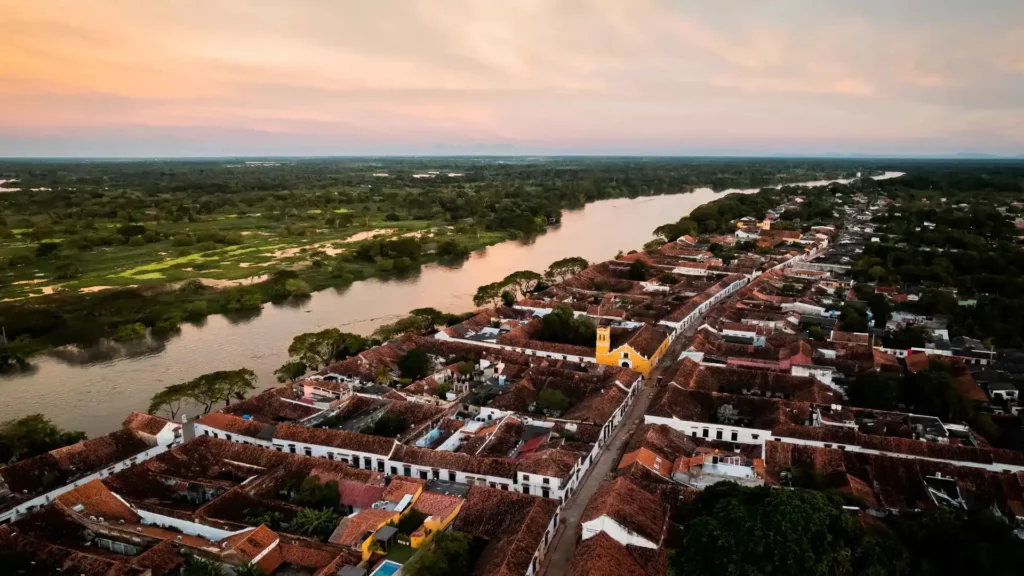
The hippopotamus population, originating from a modest group brought to Colombia in the 1980s, has swelled to an estimated 190 individuals. These animals, descendants of the four hippos Escobar acquired for his private zoo at Hacienda Nápoles, now roam the Magdalena River basin and surrounding areas. Their presence has led to increasing conflicts with local communities, damage to agricultural lands, and threats to native flora and fauna. The Colombian government, through the Ministry of Environment and Sustainable Development, determined that the hippos pose a significant ecological threat and initiated a plan to manage their numbers, including the controversial option of euthanasia. The recent court ruling, delivered on April 24, 2026, by the Third Administrative Court of Bogotá, validated this plan, dismissing legal challenges brought by animal rights groups.
Court Ruling and Justification for Euthanasia
The judicial decision, as reported by El Heraldo, affirmed that both physical and chemical euthanasia methods are scientifically and legally sound. The court rejected eight legal challenges (tutelas) arguing that the protocol for control does not apply to protecting the rights of animals. The ruling emphasized that the government had thoroughly evaluated alternative solutions, such as sterilization and relocation, but deemed them impractical due to high costs, logistical difficulties, and the hippos’ rapid reproductive rate. The court’s decision prioritizes the protection of Colombia’s native ecosystems over the rights of the invasive hippopotamus population.
Experts, including Hernando García, director of the Humboldt Institute, have underscored the ecological dangers posed by the hippos. Noticias Caracol reports that García justifies the euthanasia of approximately 80 hippos, citing their classification as an invasive species lacking natural predators in Colombia. The animals’ large size and aggressive behavior too pose a risk to local fishermen and communities, with instances of hippos venturing into towns and onto roads becoming increasingly common, as documented by community videos shared on social media.
The Indian Billionaire’s Proposal
In a surprising turn of events, an unnamed Indian billionaire has stepped forward with a proposal to relocate approximately 80-100 hippopotamuses to various wildlife sanctuaries and national parks across India. Details of the offer are still being negotiated, but it is understood that the billionaire is prepared to cover all costs associated with the capture, transportation, and acclimation of the animals. The proposal aims to provide a sanctuary for the hippos while simultaneously alleviating the ecological pressures in Colombia. The billionaire’s representatives have reportedly already engaged in preliminary discussions with Colombian government officials and wildlife experts to assess the feasibility of the plan.
India possesses suitable habitats for hippopotamuses, particularly in regions with extensive river systems and grasslands. Several wildlife reserves, including those in Assam and West Bengal, could potentially accommodate the relocated animals. Still, the logistical challenges of transporting hippos across continents are significant. The animals require specialized handling and transportation equipment, and the journey itself would be lengthy and stressful. Careful consideration must be given to the potential impact of introducing hippos into a new ecosystem, including the risk of disease transmission and competition with native species.
Euthanasia Protocols and Ethical Considerations
Despite the relocation offer, the Colombian government is proceeding with preparations for the euthanasia program. The plan involves two methods: physical euthanasia, involving a gunshot, and chemical euthanasia, utilizing a potent sedative followed by a lethal injection. The government assures that the procedures will be carried out humanely, adhering to strict veterinary protocols and under the supervision of experienced professionals. The Ministry of Environment has stated that the euthanasia will be a last resort, implemented only after all other options have been exhausted.

The decision to euthanize the hippos has ignited a heated ethical debate. Animal rights organizations argue that killing the animals is a cruel and unnecessary measure, particularly given the potential for relocation. They contend that the hippos are victims of Escobar’s actions and should not be punished for the decisions of their former owner. However, proponents of the euthanasia plan argue that the ecological risks posed by the hippos outweigh the ethical concerns. They emphasize that the animals are disrupting the delicate balance of Colombia’s ecosystems and that their continued proliferation could have devastating consequences for native species.
Challenges and Future Outlook
The relocation proposal presents a potential solution to the complex dilemma facing Colombia. However, numerous hurdles remain. Negotiations with the Indian billionaire are ongoing, and the logistical and financial details of the plan must be finalized. The Colombian government must obtain the necessary permits and approvals from international wildlife authorities. Even if the relocation plan is successful, it is unlikely to resolve the entire problem. A significant number of hippos will remain in Colombia, and ongoing management efforts will be required to control their population and mitigate their ecological impact.
The case of the Escobar hippos serves as a stark reminder of the unintended consequences of introducing exotic species into new environments. It also highlights the challenges of managing wildlife legacies and the ethical complexities of invasive species control. As the debate continues, Colombia faces the difficult task of balancing conservation concerns, ecological risks, and animal welfare considerations. The next steps will likely involve further discussions between Colombian officials and the Indian billionaire’s representatives, with a focus on assessing the feasibility and sustainability of the relocation plan. A final decision on the fate of the hippos is expected within the next few months.
Key Takeaways:
- A Colombian court has authorized the euthanasia of hippopotamuses descended from Pablo Escobar’s private collection.
- An Indian billionaire has offered to relocate up to 100 hippos to wildlife reserves in India.
- The decision to euthanize the hippos is based on their classification as an invasive species and the ecological risks they pose.
- Logistical challenges and ethical considerations surround both the euthanasia plan and the relocation proposal.
The situation remains fluid, and further updates will be provided as they develop into available. Share your thoughts on this complex issue in the comments below.
Keep reading