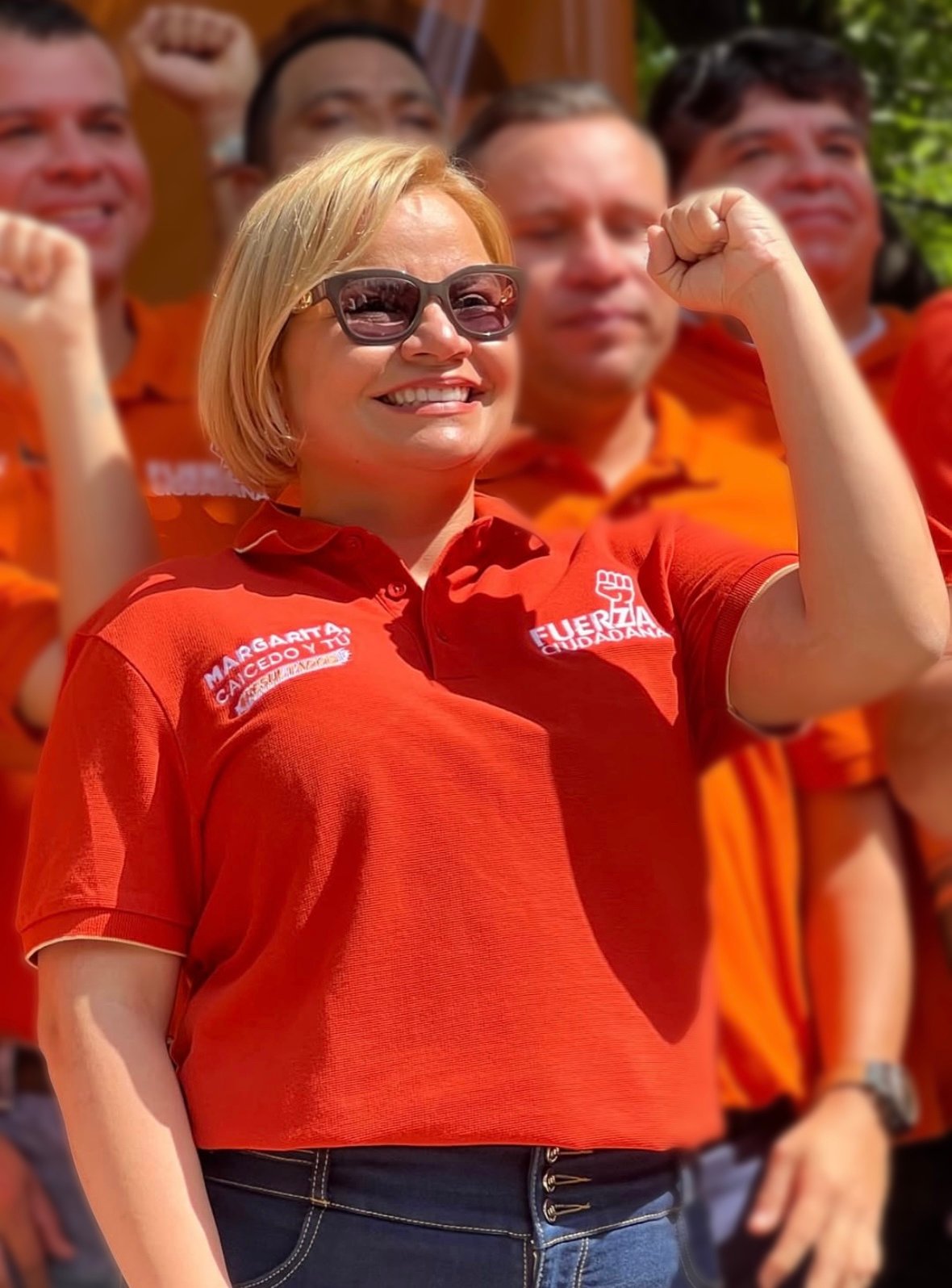
The concept of urban recreation is undergoing a fundamental shift in Colombia, moving away from standard playgrounds toward spaces designed for every single citizen, regardless of their physical or cognitive abilities. At the center of this movement is the development of a universal inclusive and therapeutic park in Santa Marta, an ambitious project led by the administration of Governor Margarita Guerra that aims to redefine accessibility in the Caribbean region.
While many cities have introduced “accessible” equipment—often limited to a single ramp or a specialized swing—this initiative is designed around the principles of Universal Design. This approach ensures that the environment is inherently usable by all people to the greatest extent possible, without the need for adaptation or specialized design. For the families of Santa Marta and the wider Magdalena department, this represents more than just a new public space; it is a critical step toward social equity and public health.
The project specifically targets the needs of children with autism and other neurodivergent conditions, who often find traditional parks overwhelming due to sensory overload. By integrating therapeutic elements and sensory-friendly zones, the park intends to provide a sanctuary where cognitive stimulation and physical play coexist. This focus on neurodiversity marks a significant departure from traditional infrastructure, acknowledging that inclusion is not just about physical access, but about sensory and emotional comfort.
Redefining Accessibility: The Science of Universal Design
To understand the significance of a universal inclusive and therapeutic park in Santa Marta, one must first understand the difference between “accessible” and “universal.” Accessibility often refers to adding a feature to a pre-existing design to allow someone with a disability to enter. Universal Design, however, starts with the premise that the environment should be intuitive and welcoming for everyone from the outset.
In the context of this project, this means implementing features that benefit a wide array of users:
- Sensory Gardens: Areas designed to engage sight, smell, touch, and sound, which are essential for therapeutic play for children with autism and sensory processing disorders.
- Tactile Paving and High-Contrast Signage: Essential tools for visually impaired visitors to navigate the space independently.
- Adaptive Play Structures: Equipment that allows children in wheelchairs to play alongside their peers at the same height and intensity, reducing the social isolation often felt in standard parks.
- Quiet Zones: Designated “decompression” areas where individuals experiencing sensory overload can retreat to regain calm without leaving the park entirely.
By combining these elements, the administration aims to create a space that serves as a therapeutic tool. Therapeutic recreation is a recognized clinical process that uses play and activity to improve physical, emotional, and social functioning. For children with developmental disabilities, these parks act as an extension of their therapy, allowing them to practice social interaction and motor skills in a natural, low-stress environment.
Beyond Autism: A Space for the Entire Community
While the needs of children on the autism spectrum are a primary driver for the project, the “universal” aspect of the park ensures that no one is excluded. The administration has emphasized that the park is intended for all residents of Magdalena, including the elderly, people with temporary injuries, and families with strollers.
For the elderly population in Santa Marta, a therapeutic park offers a space for low-impact physical activity and social engagement, which are critical for combating loneliness and cognitive decline. For caregivers, the park provides a safe, supervised environment where they can witness their children’s growth and interact with other parents facing similar challenges, creating a vital community support network.
The social impact of such a project extends beyond the physical boundaries of the park. When a city invests in inclusive infrastructure, it sends a powerful message about who belongs in the public square. By placing a therapeutic park in a prominent location, Santa Marta is effectively normalizing disability and neurodiversity, challenging the historical marginalization of these populations in Colombian urban planning.
The Leadership of Governor Margarita Guerra
The drive to realize this project is a cornerstone of the current departmental administration. Governor Margarita Guerra, a lawyer by training with a background in public law from the Universidad del Norte, has centered her governance on a platform of “equity and transformation.” Since taking office on November 26, 2025, Guerra has focused on bringing government services and infrastructure to the most underserved subregions of Magdalena via her official governance platform.
Guerra’s approach to the park is reflective of her broader “Revolution of Equity,” which seeks to modernize education and health services across the department’s municipalities. By championing the first park of its kind in Colombia, she is positioning Magdalena as a leader in inclusive urbanism. This aligns with her stated goal of creating a “popular government” that listens to the specific needs of the people rather than relying on top-down, one-size-fits-all solutions.
The Governor’s focus on inclusive spaces also intersects with her environmental goals. The project is expected to integrate sustainable materials and native flora, ensuring that the therapeutic benefits of nature—often referred to as “biophilia”—are maximized. This synergy between environmental sustainability and social inclusion is a recurring theme in the administration’s current development plan.
The Broader Impact on Colombian Urbanism
Colombia has made strides in legislative frameworks regarding disability rights, yet the practical application of these laws in public spaces has often lagged. The development of a universal inclusive and therapeutic park in Santa Marta serves as a potential blueprint for other Colombian cities like Bogotá, Medellín, and Cali.
The “therapeutic” designation is particularly innovative. Most public parks are designed for leisure; few are designed for healing. By integrating therapeutic goals into public infrastructure, the Magdalena government is bridging the gap between healthcare and urban planning. This model suggests that the city itself can be a tool for rehabilitation and development.
this project addresses a critical gap in the “Right to the City.” For too long, the urban experience for people with disabilities in Latin America has been one of navigation—simply trying to acquire from point A to point B. This project shifts the narrative from “navigation” to “experience,” ensuring that the joy of play and the benefits of nature are accessible to all, regardless of their starting point.
Key Takeaways for the Community
- Universal Design: The park is built from the ground up to be usable by everyone, not just “adapted” for some.
- Neurodiversity Focus: Specific zones are designed to prevent sensory overload for children with autism.
- Therapeutic Value: The space is intended to complement clinical therapies through play and nature.
- Social Integration: The park aims to break down social barriers by bringing diverse populations together in one shared space.
What Happens Next?
As the management of the project advances, the next critical phases include the finalization of the technical designs and the procurement of specialized equipment that meets international safety and therapeutic standards. The administration is expected to provide further updates on the specific location and the official groundbreaking date through the Governor’s official social media channels and the Gobernación del Magdalena’s press office.

The success of the universal inclusive and therapeutic park in Santa Marta will likely be measured not just by its completion, but by the increase in park attendance among families with children with disabilities and the subsequent improvement in the quality of life for the residents of Magdalena.
Do you believe more cities in Latin America should adopt the Universal Design model for their public spaces? Share your thoughts in the comments below or share this article to spread awareness about inclusive urbanism.
Worth a look