“`html
Colombia’s Ongoing Battle Against Cocaine Production
Published: 2026/02/03 22:34:26
Colombia remains at the forefront of the global fight against cocaine production, a complex issue with deep-rooted historical, economic, and political dimensions. Despite decades of effort and international cooperation, eradicating the illicit drug trade continues to pose a significant challenge. This article examines the current state of cocaine production in Colombia, the strategies employed to combat it, and the obstacles hindering complete success.
A Historical Overview of Cocaine Production in Colombia
Colombia’s involvement with the cocaine trade dates back to the 1970s, rapidly escalating in the 1980s and 1990s with the rise of powerful cartels like the Medellín and Cali cartels [[3]]. Thes organizations controlled vast swathes of the production and distribution network, leading to widespread violence and instability. While the dismantling of these cartels in the early 2000s initially led to a decline in production, fragmented criminal groups and increased demand have fueled a resurgence in recent years.
Current landscape of Cocaine Production
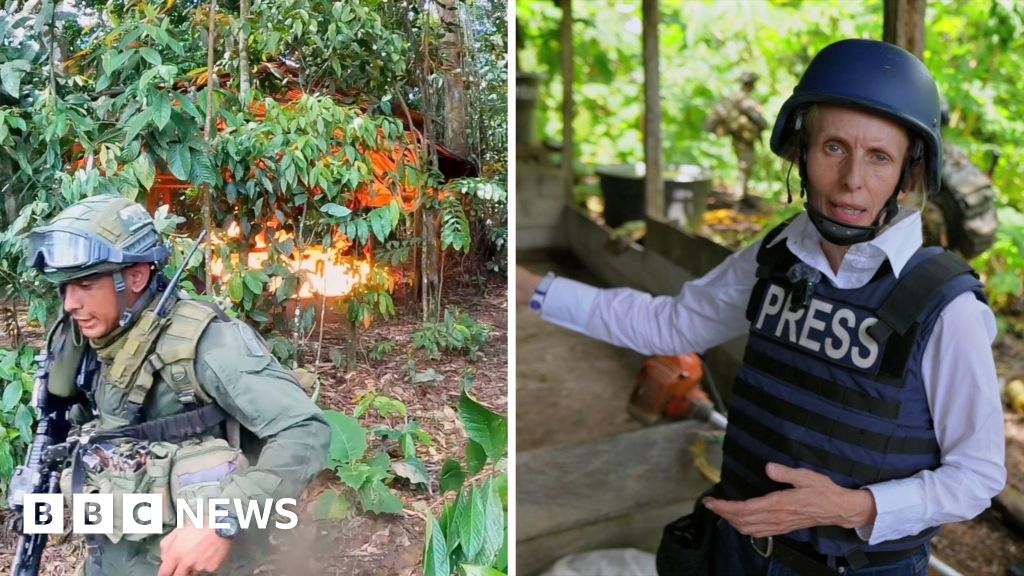
As of early 2026, Colombia continues to be a major producer of cocaine, with production concentrated in remote jungle regions.The process typically begins with the cultivation of coca leaves, the raw material for cocaine, primarily by small-scale farmers. These farmers often lack economic alternatives and are vulnerable to recruitment by criminal organizations. The coca leaves are then processed into cocaine base in clandestine laboratories hidden deep within the jungle. These labs, as described by recent reports, are often rudimentary facilities [[1]], easily rebuilt even after being destroyed by authorities.
Recent data indicates a fluctuating trend in coca cultivation and cocaine production. While President Gustavo Petro has claimed his government has seized record amounts of drugs, challenges remain in sustainably reducing supply. The United Nations Office on Drugs and Crime (UNODC) provides thorough monitoring and analysis of these trends, offering crucial insights into the evolving dynamics of the drug trade.
The Role of the “Jungle Commandos” and international Cooperation
The Colombian government employs specialized police units, such as the “Jungle Commandos,” to target and dismantle these illicit laboratories. These units, often supported by the United States through funding and training – initially including expertise from the British SAS – are tasked with locating and destroying the facilities and disrupting the supply chain. [[1]] The effectiveness of these operations is hampered by the remote and challenging terrain, as well as the rapid rebuilding of labs, sometimes within a day, as noted by Major Cristhian Cedano Díaz.
International cooperation is vital in addressing this issue. The United States has historically provided significant financial and logistical support to Colombia’s counter-narcotics efforts. However, the approach to drug policy is evolving, with a growing emphasis on reducing demand and providing choice progress programs for coca-growing communities.
Challenges and Future Outlook
Several factors contribute to the persistence of cocaine production in Colombia:
- Economic Incentives: The high profitability of the cocaine trade provides a strong economic incentive for farmers and criminal organizations.
- Lack of Alternative Livelihoods: Limited economic opportunities in rural areas leave many farmers with few alternatives to coca cultivation.
- Geographical Challenges: The rugged terrain and dense jungle provide ideal
More on this