
Low levels of selenium in the blood have been associated with an increased risk of developing colorectal cancer, according to recent observational research. While selenium is an essential trace element required for antioxidant defense and immune function, medical experts emphasize that maintaining a balanced intake is critical, as excessive supplementation can lead to toxicity.
As a physician and health editor, I have followed the evolving discourse on how micronutrients influence long-term gastrointestinal health. While the link between certain dietary elements and cancer prevention is frequently discussed in clinical settings, the relationship between selenium and colorectal malignancy remains a subject of ongoing study, requiring a nuanced approach to patient nutrition and supplementation.
Understanding the Role of Selenium in Human Health
Selenium is a trace mineral that the body requires in small amounts to support the synthesis of selenoproteins. These proteins play a vital role in protecting cells from oxidative damage and regulating thyroid hormone metabolism, as noted by the National Institutes of Health (NIH) Office of Dietary Supplements. Because the body cannot synthesize selenium, it must be obtained through dietary sources such as Brazil nuts, seafood, organ meats, and fortified grains.

In the context of colorectal cancer, researchers have investigated whether low baseline levels of this element might compromise cellular repair mechanisms in the intestinal lining. However, clinical evidence remains heterogeneous. While some observational data suggest an inverse relationship—meaning higher selenium levels correlate with lower cancer risk—randomized clinical trials have not consistently demonstrated that selenium supplementation prevents colorectal adenomas or carcinomas in the general population, according to the National Cancer Institute.
The Risks of Excessive Supplementation
A primary concern for clinicians is the narrow therapeutic window of selenium. Unlike water-soluble vitamins that are easily excreted, selenium can accumulate in the body to harmful levels. The NIH establishes a Tolerable Upper Intake Level (UL) of 400 micrograms per day for adults to avoid selenosis, a condition characterized by symptoms such as hair loss, nail fragility, gastrointestinal distress, and neurological abnormalities.
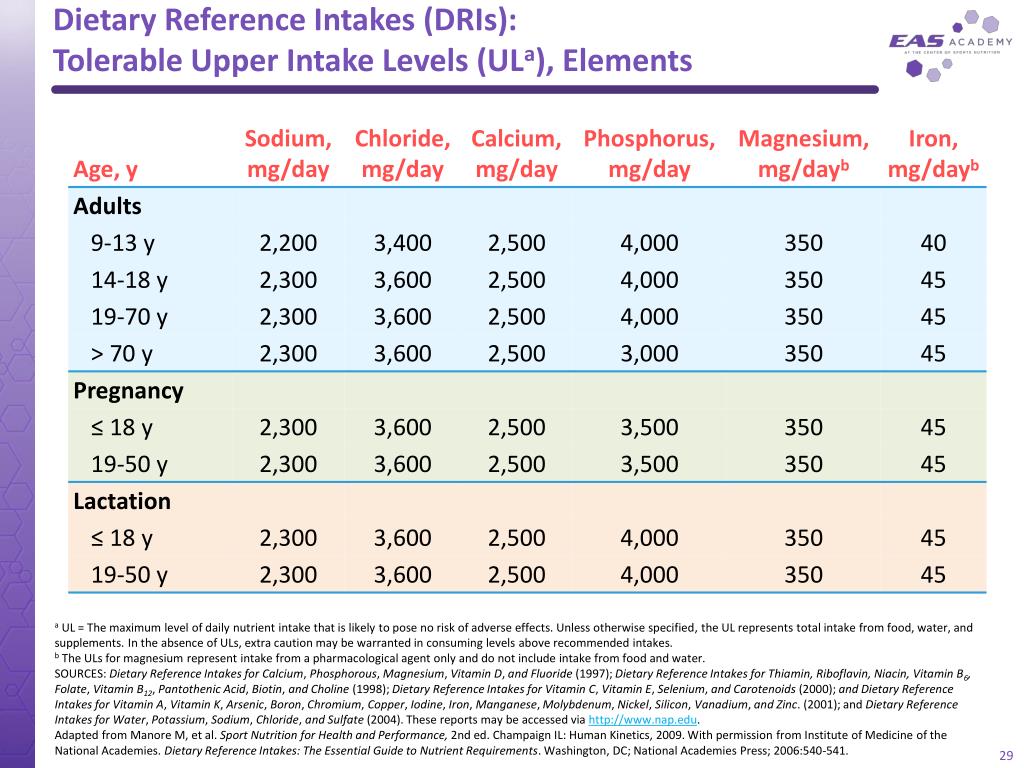
Medical professionals warn against the “more is better” mentality regarding dietary supplements. High-dose selenium intake has been linked in some studies to an increased risk of type 2 diabetes and non-melanoma skin cancer. Before initiating any supplementation regimen, patients should consult with a healthcare provider to assess their specific dietary needs through blood work or clinical evaluation, rather than self-prescribing based on generalized research findings.
Clinical Guidance for Patients
For individuals concerned about their risk of colorectal cancer, the medical consensus emphasizes established screening protocols over the use of individual supplements. The U.S. Preventive Services Task Force (USPSTF) currently recommends regular screening for colorectal cancer starting at age 45 for adults at average risk. These screenings, such as colonoscopies or stool-based tests, remain the most effective tools for early detection and prevention.
Nutritional health is best supported through a diverse diet rich in fiber, fruits, vegetables, and lean proteins, which provides a synergistic array of micronutrients rather than concentrated doses of a single element. Relying on whole foods ensures that the body receives the necessary co-factors for nutrient absorption, minimizing the risk of the metabolic imbalances that can occur with high-dose synthetic supplements.
Next Steps in Nutritional Research
The scientific community continues to study the interaction between genetics, diet, and gut microbiome health in the development of gastrointestinal diseases. Future research is expected to clarify whether specific populations—such as those with documented selenium deficiencies or specific genetic markers—might derive benefit from targeted supplementation, while others remain at risk of harm from unnecessary intake.
If you have questions regarding your own nutritional status or concerns about family history and colorectal cancer risk, it is recommended that you schedule a consultation with your primary care physician or a gastroenterologist. They can provide personalized guidance based on your medical history and current blood profiles. Have you discussed your supplement use with a doctor recently? Share your experiences in the comments below.
Related reading
- The Ultimate Ranking: From Absolute Favorites to Least Favorites
- Zbrojovka Brno vs. Slovan Liberec: Preview, Odds, and How to Watch the Chance Liga Match
- Sydney Towle Cancer Journey: Family Support Through the Years (news-usa.today)
- How Eating Apples Incorrectly Can Increase Breast Cancer Risk (archyde.com)