Early Detection Key to Colon Cancer Survival: A Turkish Woman’s Story Highlights Importance of Screening
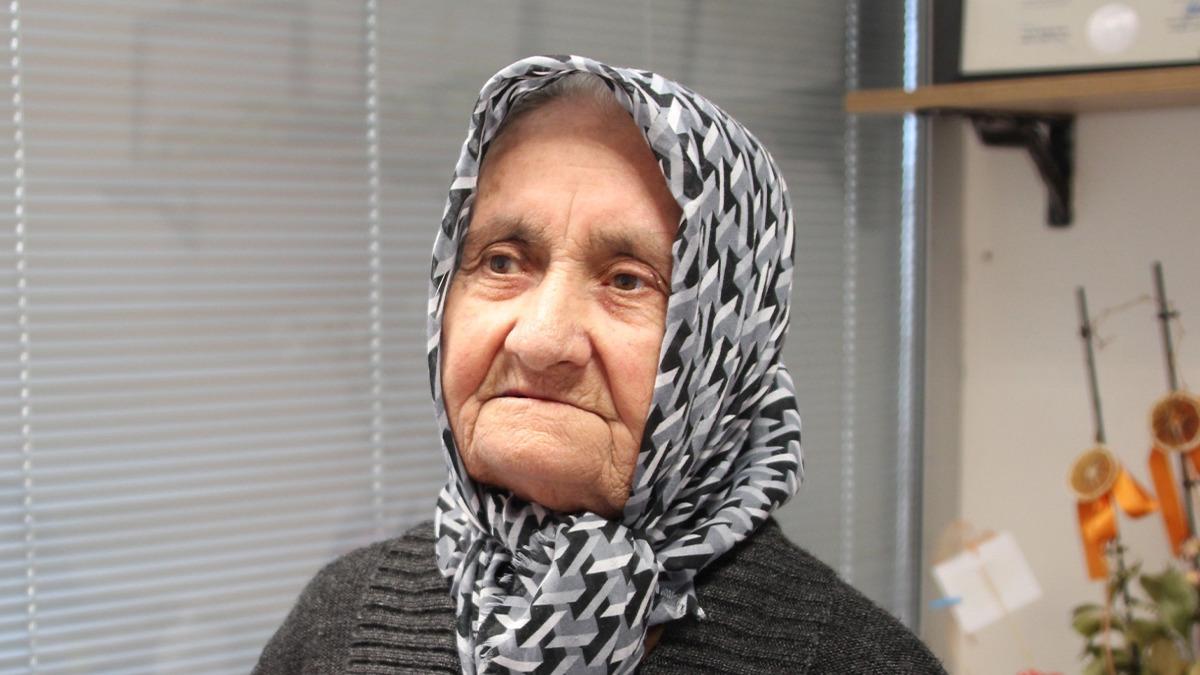
Colon cancer, a leading cause of cancer-related deaths worldwide, is often treatable when detected early. A recent case in Turkey underscores this critical point. Hediye Şanal, an 82-year-old woman from Beyşehir, was diagnosed with colon cancer after seeking medical attention for persistent constipation and abdominal pain. Thanks to prompt diagnosis and successful surgery, Şanal is now recovering well, a testament to the life-saving potential of regular screenings. Her story serves as a powerful reminder of the importance of being vigilant about changes in bowel habits and seeking medical advice when necessary.
Şanal’s journey began with symptoms that are often dismissed or attributed to less serious conditions. She initially experienced constipation and abdominal discomfort, prompting her to visit Beyşehir State Hospital in December 2025. Following thorough investigations, including imaging and a colonoscopy, doctors confirmed a diagnosis of colon cancer. The speed with which she sought care and the subsequent diagnostic process were crucial factors in her positive outcome. According to the American Cancer Society, colon cancer often has no symptoms in its early stages, making regular screening even more vital. Learn more about the signs and symptoms of colon cancer.
“I came to the hospital early in the morning. I said, ‘I’m dying, save me,’” Şanal recounted after her recovery, as reported by DHA. “I had surgery, and since then, I haven’t felt any pain. I became like a mother and son with my doctor. God bless him. Now I am very well.” Her emotional statement highlights the fear and relief associated with a cancer diagnosis and the importance of a strong doctor-patient relationship. The successful surgery, completed within nine days of her hospital admission, allowed Şanal to return home and resume her life.
Understanding Colon Cancer: Risk Factors and Symptoms
Colon cancer develops when abnormal cells grow uncontrollably in the colon or rectum. Several factors can increase a person’s risk, including age, family history, genetics, and lifestyle choices. The risk increases significantly after age 50, although, as recent research indicates, screening guidelines are evolving. The Centers for Disease Control and Prevention (CDC) provides comprehensive information on colorectal cancer, including risk factors and prevention strategies.
Common symptoms of colon cancer can include a change in bowel habits (diarrhea, constipation, or narrowing of the stool), rectal bleeding, abdominal discomfort, unexplained weight loss, and fatigue. However, it’s essential to note that these symptoms can also be caused by other, less serious conditions. It’s crucial to consult a doctor for proper diagnosis, and evaluation. Persistent or worsening symptoms should never be ignored.
Shifting Screening Guidelines: Lowering the Age for Routine Checkups
For decades, the recommended age to begin regular colon cancer screenings was 50. However, recent studies have shown an increasing incidence of the disease in younger adults. Major medical organizations, including the American Cancer Society, have updated their guidelines. The American Cancer Society now recommends that individuals at average risk begin screening at age 45.
Dr. Turan Can Yıldız, the general surgeon who performed Şanal’s operation, emphasized the significance of early detection. “Our patient presented with severe constipation and abdominal pain at the end of December. After evaluation in the internal medicine department, she was referred to us,” he explained. “During the examination, we detected sensitivity in the lower right abdomen, which raised suspicion of colon cancer. Following imaging and colonoscopy, we diagnosed her with colon cancer. We determined that the disease was in an early stage and proceeded with surgery. The surgery was successful, and we discharged her after nine days of monitoring in the hospital. Early diagnosis provides an important opportunity for a disease-free life.”
Individuals with a family history of colorectal cancer, chronic constipation, rectal bleeding, or anemia should discuss earlier and more frequent screenings with their healthcare provider. These individuals are considered to be at higher risk and may benefit from starting screenings before age 45.
Available Screening Methods: Choosing the Right Option
Several effective screening methods are available for detecting colon cancer. These include:
- Colonoscopy: Considered the gold standard, a colonoscopy involves inserting a flexible tube with a camera into the rectum to visualize the entire colon. It allows for the detection and removal of polyps, which can be precursors to cancer.
- Fecal Immunochemical Test (FIT): This test detects hidden blood in the stool, which can be a sign of cancer or polyps.
- Stool DNA Test: This test analyzes stool samples for abnormal DNA that may indicate the presence of cancer or polyps.
- Flexible Sigmoidoscopy: Similar to a colonoscopy, but examines only the lower portion of the colon.
- CT Colonography (Virtual Colonoscopy): Uses X-rays to create images of the colon.
The best screening method for an individual depends on their risk factors, preferences, and the availability of resources. It’s essential to discuss the options with a doctor to determine the most appropriate approach.
The Importance of Continued Vigilance and Public Health Initiatives
Hediye Şanal’s story is a beacon of hope, demonstrating that colon cancer can be successfully treated when detected early. However, it also highlights the need for increased awareness and proactive screening efforts. Public health campaigns aimed at educating individuals about the risk factors, symptoms, and screening options for colon cancer are crucial. Improving access to affordable and convenient screening services is essential, particularly for underserved populations.
The Turkish Ministry of Health has implemented national screening programs to promote early detection of various cancers, including colorectal cancer. These programs aim to increase screening rates and reduce cancer-related mortality. Similar initiatives are underway in many countries around the world, reflecting a growing recognition of the importance of preventative care.
As Şanal’s case illustrates, a timely diagnosis can make all the difference. By paying attention to their bodies, being aware of potential symptoms, and adhering to recommended screening guidelines, individuals can significantly reduce their risk of developing advanced colon cancer and improve their chances of a full recovery.
The next step in ensuring widespread early detection will be continued research into more effective screening methods and personalized risk assessment tools. Ongoing efforts to lower the barriers to screening and promote public awareness are also vital. If you are over 45, or have risk factors for colon cancer, please discuss screening options with your doctor.
Do you have questions about colon cancer screening? Share your thoughts in the comments below, and please share this article with your friends and family to aid raise awareness.
Worth a look
- State Policies on Abortion Coverage in Medicaid, Private Insurance, and ACA Exchange Plans in 2025
- Arthrose du genou : pourquoi l’aérobic est l’exercice le plus efficace selon les experts ! – PasseportSanté
- Leptospirosis Alert in Zante: Symptoms, Transmission, and Latest Cases (newsdirectory3.com)
- Colorectal cancer is on the rise — and often overlooked — in young adults (archyde.com)