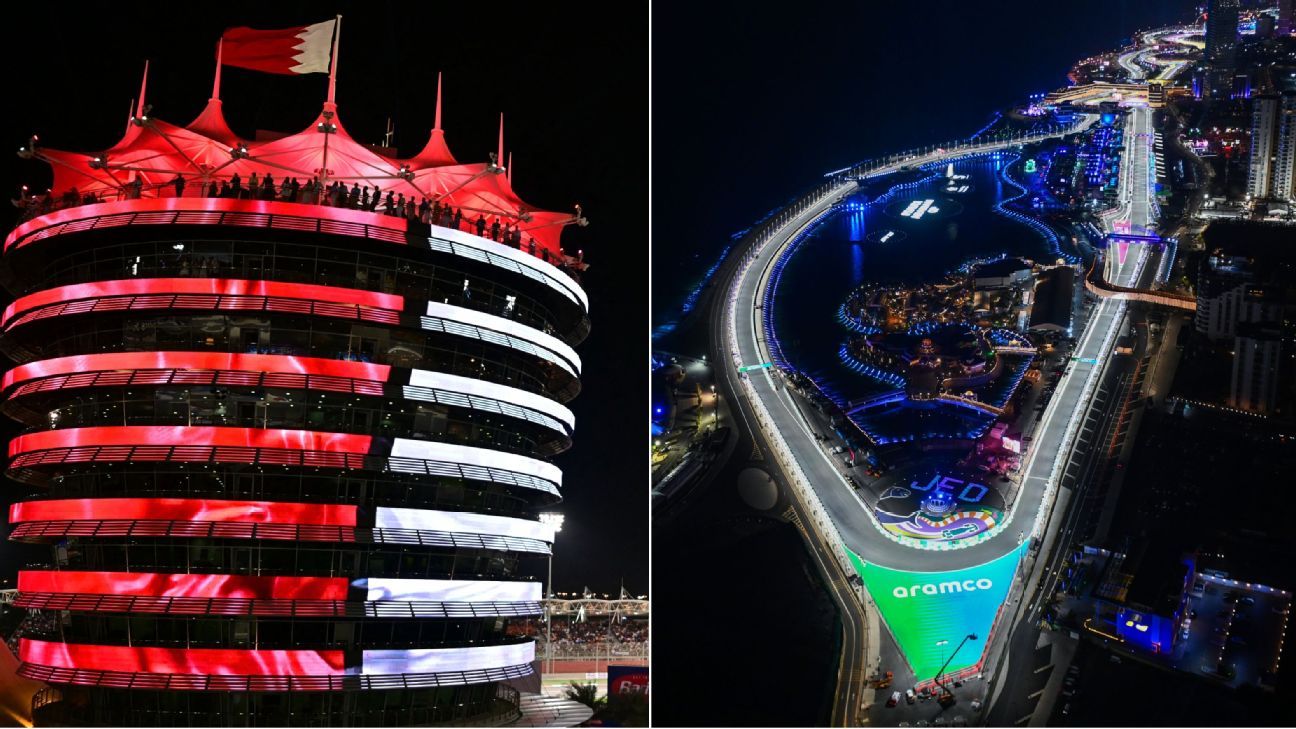
The world of Formula 1 is bracing for disruption as escalating tensions in the Middle East are poised to lead to the cancellation of the Bahrain and Saudi Arabian Grand Prix races, scheduled for April. The decision, driven by safety concerns and logistical challenges, throws the 2026 racing calendar into uncertainty and raises questions about the sport’s ability to navigate geopolitical instability. This development comes amid a backdrop of increased regional conflict, with both Bahrain and Saudi Arabia having recently been targeted in retaliatory attacks following strikes against Iran.
The potential cancellation of these high-profile races represents a significant blow to the sport, both financially and in terms of its global reach. Bahrain, set to host its race on April 12th, and Saudi Arabia, scheduled for April 19th, are key events on the F1 calendar, attracting substantial revenue and a large international audience. The decision underscores the growing challenges faced by international sporting events in regions experiencing political and military unrest. The situation highlights the delicate balance between maintaining sporting schedules and prioritizing the safety of teams, personnel, and fans.
The decision to potentially cancel the races wasn’t taken lightly. According to sources, the logistical complexities of transporting teams and equipment to the region, particularly given the current volatile situation, played a crucial role. Freight needed to begin its journey to the Middle East imminently, making a swift decision unavoidable. The uncertainty surrounding the duration and potential escalation of the conflict further solidified the need for decisive action. Without a clear timeline for de-escalation, Formula 1 officials determined that proceeding with the races would pose an unacceptable risk.
Geopolitical Concerns Drive F1’s Decision
The immediate catalyst for the potential cancellations is the recent escalation of conflict in the Middle East. Iran launched retaliatory attacks against both Israel and its regional allies, including Bahrain and Saudi Arabia, following a series of strikes attributed to Israel. ESPN reports that both countries have been directly impacted by these attacks, raising serious safety concerns for all involved in the Grand Prix events. On Monday, the Bahrain News Agency reported that 32 people were injured near Manama due to an Iranian drone attack, further illustrating the heightened risk.
The decision aligns with Formula 1’s and the FIA’s (Fédération Internationale de l’Automobile) paramount concern for safety. Sky Sports reports that the situation in the Middle East has not improved in recent days, prompting the imminent cancellation announcement expected by the end of the weekend. This isn’t the first time geopolitical events have impacted the F1 calendar; races have been canceled or modified in the past due to security concerns and global crises.
Impact on the 2026 Racing Calendar
The cancellation of the Bahrain and Saudi Arabian Grand Prix races will reduce the 2026 Formula 1 season from a planned 24 races to 22. This creates a significant gap in the schedule, with a projected five-week void between the Japanese Grand Prix on March 29th and the Miami Grand Prix on May 3rd. Officials are exploring potential replacement races, with circuits in Portugal (Portimão) and Italy (Imola) being mentioned as possible alternatives, but The Independent notes that the tight schedule makes finding suitable replacements highly unlikely. The logistical challenges of organizing a Grand Prix, including track preparation, security arrangements, and transportation, require substantial lead time.
The decision to forgo replacement races is likewise influenced by a desire to avoid a scenario where the championship outcome is determined by a late-season cancellation. Formula 1 doesn’t want to risk a situation where a crucial race is called off due to ongoing conflict, potentially influencing the final standings. This demonstrates a commitment to fair competition and maintaining the integrity of the championship.
Lewis Hamilton’s Perspective
Seven-time world champion Lewis Hamilton expressed confidence in Formula 1’s leadership during a press conference ahead of the Chinese Grand Prix in Shanghai. He stated, “I know that [F1 CEO] Stefano [Domenicali] will do what is right for all of us and the sport.” Hamilton’s comments reflect a general trust in the sport’s governing body to prioritize safety and make responsible decisions in challenging circumstances. His support underscores the importance of strong leadership during times of uncertainty.
Looking Ahead: What’s Next for Formula 1?
The immediate focus for Formula 1 is the official confirmation of the cancellations, expected by the end of the weekend. Following this, the sport will concentrate on managing the revised calendar and ensuring a smooth transition to the next race in China. The Chinese Grand Prix, scheduled for April 19th, will proceed as planned, but teams and officials will undoubtedly be closely monitoring the evolving situation in the Middle East. The sport will also need to address the financial implications of the cancellations, including potential losses in revenue and sponsorship deals.
The long-term impact of this situation remains to be seen. The ongoing conflict could potentially affect future races in the region, forcing Formula 1 to reassess its strategy for events in politically unstable areas. The sport may need to invest in enhanced security measures and contingency plans to mitigate risks and ensure the safety of all participants. The incident also raises broader questions about the role of sports in a world increasingly marked by geopolitical tensions.
Key Takeaways
- The Bahrain and Saudi Arabian Grand Prix races are highly likely to be cancelled due to the escalating conflict in the Middle East.
- Safety concerns for teams, personnel, and fans are the primary driver behind the decision.
- The 2026 F1 season will be reduced to 22 races, creating a five-week gap in the schedule.
- Finding replacement races is considered unlikely due to logistical constraints.
- Lewis Hamilton has expressed faith in F1’s leadership to make the right decision.
The next official update regarding the Bahrain and Saudi Arabian Grand Prix races is expected by the end of this weekend. Fans and teams alike are awaiting confirmation and further details regarding the revised 2026 Formula 1 calendar. We encourage you to share your thoughts on this developing situation in the comments below.