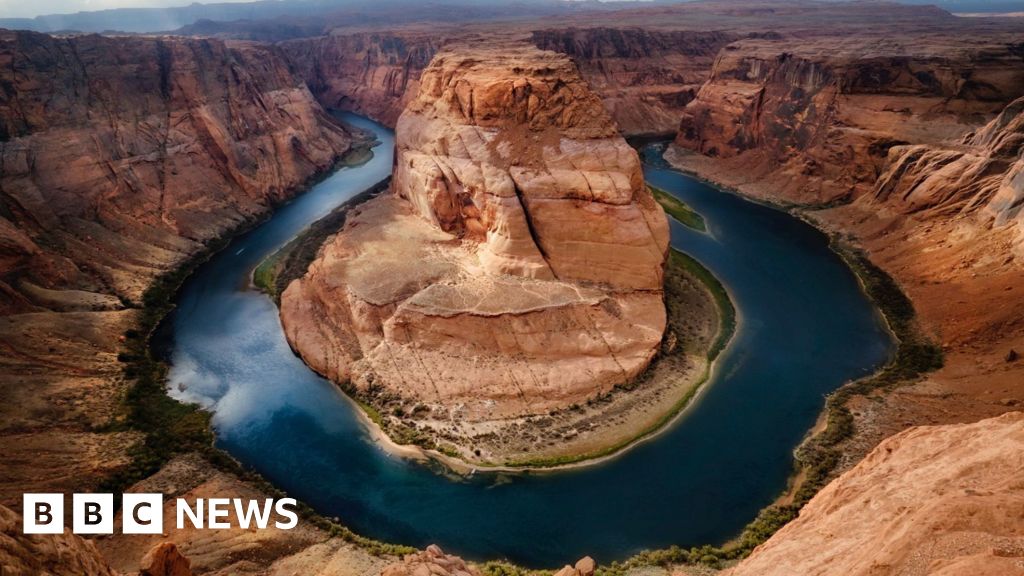
Parker, Arizona – In a landmark decision with potentially far-reaching implications for water rights and environmental protection, the Colorado River Indian Tribes (CRIT) have granted legal personhood to the Colorado River. The resolution, passed in November 2025, recognizes the river as a living entity with inherent rights, a move intended to bolster efforts to safeguard this vital waterway amidst a historic drought and ongoing negotiations over its future.
The Colorado River, a lifeline for 40 million people across seven states – Arizona, California, Colorado, Nevada, New Mexico, Utah, and Wyoming – and several Native American tribes, is facing an unprecedented crisis. The region is experiencing what scientists describe as the worst drought in 1,200 years, dramatically reducing water levels and threatening agricultural production, hydropower generation, and municipal water supplies. The CRIT’s action reflects a growing global movement to recognize the rights of nature, granting ecosystems legal standing to protect them from harm. This approach, while gaining traction, remains legally complex and its ultimate effectiveness is yet to be determined.
A Historic Recognition: The CRIT and the Colorado River
The Colorado River Indian Tribes, a federally recognized tribe comprised of the Mohave, Chemehuevi, Hopi, and Navajo nations, have a deep and enduring connection to the river. According to the Colorado River Indian Tribes Wikipedia page, the Mohave people have practiced floodplain and irrigated agriculture along the Colorado River for over 4,000 years. This long-standing relationship informed the decision to grant the river personhood, viewing it not merely as a resource, but as a vital component of their cultural identity and spiritual well-being.
The resolution recognizes the Colorado River as “Aha Havasuu” in the Mohave language and “Tó Ntsʼósíkooh Bibąąhgi Bitsįʼ Yishtłizhii Bináhásdzo” in Navajo, acknowledging its significance within the tribes’ respective cultures. The legal implications of this recognition are still unfolding, but the CRIT hope it will provide a stronger legal basis for advocating for the river’s protection and ensuring equitable water allocation. The tribe’s website, CRIT-NSN.gov, highlights the tribe’s commitment to preserving its cultural heritage and natural resources.
The Looming Water Crisis and the February 14th Deadline
The Colorado River’s declining water levels are a direct consequence of climate change, prolonged drought, and decades of overuse. Lake Mead and Lake Powell, the two largest reservoirs on the river, have reached historically low levels, triggering mandatory water cuts for several states. The situation is further complicated by the impending expiration of the 2007 Colorado River Interim Guidelines on December 31, 2026, which govern water allocations among the seven basin states.
Negotiations to establish a new long-term water sharing agreement have been fraught with challenges. The states were initially given a deadline of February 14, 2024, to reach a consensus, but that deadline passed without an agreement. As of February 21, 2026, the states continue to negotiate, facing a new, albeit less publicized, deadline at the end of 2026. If the states fail to reach an agreement, the federal government, through the Bureau of Reclamation, has indicated it will step in and impose its own plan, potentially leading to further conflict and legal challenges. The CRIT believe that granting the river personhood will strengthen their position in these negotiations and advocate for a more sustainable and equitable water management approach.
Legal Personhood: A Growing Movement
The concept of granting legal personhood to natural entities is not new, but it is gaining momentum globally. In 2008, Ecuador became the first country to recognize the rights of nature in its constitution. Since then, similar initiatives have been adopted in other countries, including Bolivia and New Zealand. In the United States, the movement has gained traction at the local level, with several rivers and ecosystems receiving legal recognition.
The legal basis for granting personhood to the Colorado River rests on the argument that the river possesses inherent rights to exist, flourish, and evolve naturally. Proponents argue that this recognition shifts the legal framework from viewing the river solely as a commodity to recognizing its intrinsic value. However, the legal challenges are significant. Establishing enforceable rights for a river requires defining how those rights will be exercised and who will act as its guardian. The CRIT have taken on this role, asserting their responsibility to protect the river for future generations.
The Role of Agriculture and Water Stewardship
Agriculture is a major water user in the Colorado River Basin, accounting for approximately 70% of total water consumption. The Keepers of the River website details the CRIT’s long history of agricultural practices along the Colorado River, dating back over 4,000 years. The tribe currently operates CRIT Farms, managing approximately 12,000 to 15,000 acres of farmland, and leases land to private and commercial farming enterprises.
The CRIT are actively exploring more sustainable agricultural practices, including water-efficient irrigation techniques and the cultivation of drought-resistant crops. The tribe’s commitment to water stewardship is evident in its efforts to rotate land into and out of production, ensuring responsible land management. The future of agriculture in the Colorado River Basin will depend on finding innovative solutions to reduce water consumption and improve water use efficiency.
Looking Ahead: The Future of the Colorado River
The CRIT’s decision to grant legal personhood to the Colorado River is a bold and innovative step towards protecting this vital resource. While the legal implications are still being explored, it signals a fundamental shift in how we view and value our natural environment. The ongoing negotiations over the future of the Colorado River are critical, and the outcome will have profound consequences for millions of people and the ecosystems that depend on it.
As of February 21, 2026, the seven basin states are continuing discussions, with the federal government closely monitoring the progress. The next key checkpoint will be the release of the Bureau of Reclamation’s updated projections for water availability in April 2026. This report will provide crucial data for informing the final negotiations and shaping the future of water management in the Colorado River Basin. The CRIT remain steadfast in their commitment to advocating for the river’s protection and ensuring a sustainable future for all who rely on it.
What are your thoughts on granting legal personhood to natural entities? Share your comments below and join the conversation.
Worth a look