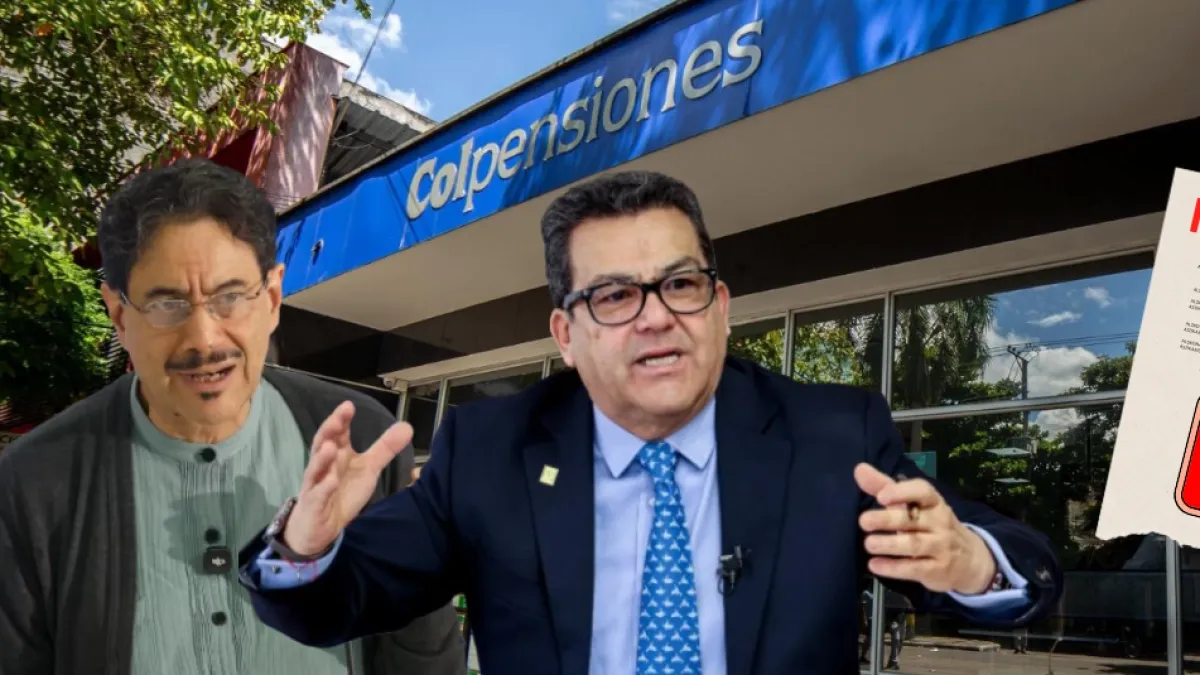
Jaime Dussán, the general manager of Colpensiones, has admitted that departing executives received severance payments reaching up to 200 million Colombian pesos per person. This admission follows contradictory statements from the state pension agency regarding the scale of payouts during a leadership transition, raising questions about the use of public funds within the Administradora Colombiana de Pensiones.
The controversy centers on “double versions” of the facts provided by the agency. Initial reports suggested limited or non-existent high-value payouts, but Dussán later confirmed that several former officials received substantial sums. These payments are tied to the termination of contracts and the settlement of labor obligations for high-level managers who left the organization.
Colpensiones is the primary entity responsible for managing the public pension regime in Colombia, overseeing millions of contributors. Because it handles public resources, the transparency of its administrative spending is subject to oversight by the Comptroller General of the Republic and other regulatory bodies.
Discrepancies in Severance Payment Reporting
The conflict began when Colpensiones provided inconsistent data regarding the financial settlements of exiting executives. According to reports from El Tiempo, the agency initially downplayed the amount of money leaving the institution. However, Jaime Dussán later clarified that the figures were higher than previously suggested, with some individual payouts hitting the 200 million peso mark.
This shift in narrative has drawn scrutiny toward the agency’s internal auditing and communication protocols. The disparity between the first version of events and Dussán’s admission suggests a failure in internal reporting or an attempt to obscure the magnitude of the payouts from public view.
Under Colombian labor law, severance payments (indemnizaciones) are often mandatory when a contract is terminated without just cause, especially for employees under fixed-term contracts. However, the scale of these payments at Colpensiones has sparked a debate over whether these payouts align with the austerity measures typically expected of state-run entities.
The Role of Jaime Dussán and Management Accountability
As the head of Colpensiones, Jaime Dussán is responsible for the operational and financial integrity of the pension fund. His admission that payouts reached 200 million pesos per person serves as a correction to previous institutional claims. The manager’s acknowledgment is now the primary piece of evidence for those questioning the agency’s fiscal discipline.
The payments affect a group of executives whose departures coincided with administrative shifts. While the agency maintains that these payments are legal obligations, critics argue that the lack of initial transparency undermines the trust of the pensioners and contributors who rely on the fund’s stability.
The impact of these payouts is not merely financial but political. Colpensiones operates at the heart of Colombia’s social security system, and any perception of “golden parachutes” for executives can trigger public backlash, particularly during periods of economic volatility or pension reform debates.
Legal Framework and Public Fund Oversight
The legality of these payments depends on the specific nature of the contracts signed by the executives. In Colombia, high-level officials often sign “contratos de prestación de servicios” (service provision contracts) or employment contracts that include specific clauses for termination. If a contract is terminated early by the employer without a legally recognized cause, the entity must pay the remaining value of the contract or a statutory penalty.
The Contraloría General de la República (Comptroller General’s Office) is the body tasked with ensuring that public funds are not misappropriated. Any payment that exceeds legal limits or lacks a contractual basis could be classified as a “fiscal damage,” requiring the responsible officials to repay the money from their own pockets.
The current situation at Colpensiones puts the agency in a position where it must prove that the 200 million peso payments were not arbitrary gifts but strictly legal settlements. The discrepancy in the “two versions” of the story may prompt the Comptroller to launch a formal audit into the payroll and severance records of the agency for the period in question.
Broader Implications for Colombia’s Pension System
This incident occurs against a backdrop of intense debate over the sustainability of the Colombian pension system. The government has been pushing for reforms to ensure the long-term viability of Colpensiones, which manages the public pillar of the system. News of high-value executive payouts can complicate the government’s narrative of fiscal responsibility.
For the average contributor, the concern is whether administrative overhead and executive payouts are eating into the reserves intended for retirement payments. While the administrative budget is separate from the pension reserves, the overall governance of the entity is critical for maintaining public confidence.
The “double version” controversy highlights a recurring issue in Colombian state agencies: the gap between official communications and the reality of internal spending. When a leader like Dussán is forced to correct the record, it often signals a deeper systemic issue regarding how information is filtered before it reaches the public.
The next critical step will be the release of a detailed breakdown of every executive payout, including the names of the recipients and the specific contractual clauses that justified the 200 million peso sums. Until such a list is made public or audited by the Comptroller, the cloud of suspicion over the agency’s management is likely to persist.
Readers can follow official updates on pension fund governance through the official Colpensiones portal or via the reports of the Ministry of Labor.
Share this report and leave your comments below regarding the transparency of public institutions in Colombia.
Related reading