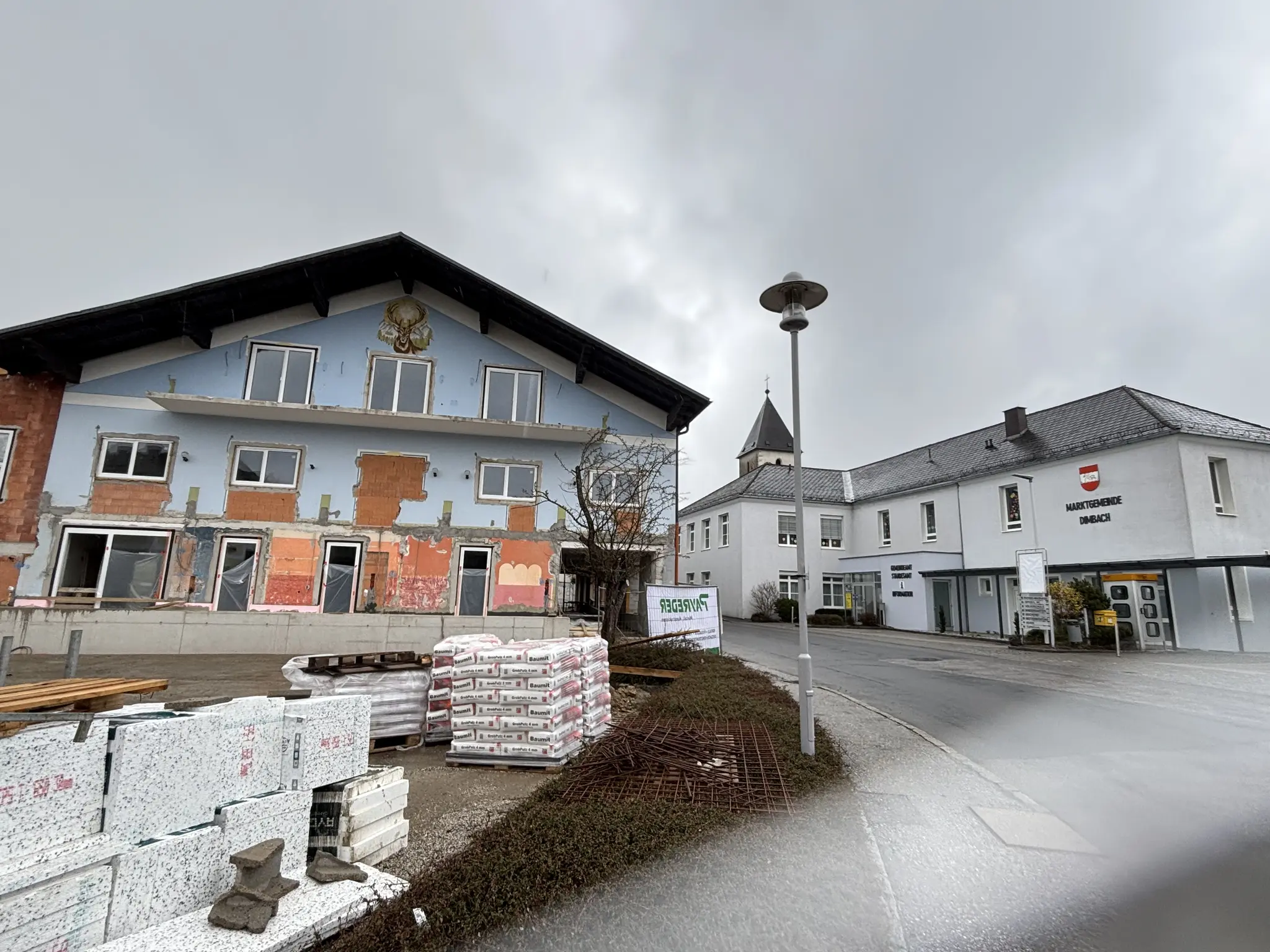
The challenge of rural urban decay and the struggle against building vacancies is a pressing issue for many small communities across Europe. In Austria, the village of Dimbach has become a focal point for these discussions, recently featured in a segment of the ORF program “Thema,” which examines various projekte gegen Leerstand (projects against vacancies) aimed at revitalizing dormant properties and breathing new life into rural centers.
Addressing the phenomenon of “Leerstand”—the state of buildings remaining empty—is not merely an architectural concern but a social and economic imperative. When homes and storefronts sit vacant, it can lead to a decline in local commerce, a decrease in property values, and a general loss of community vitality. The efforts in Dimbach represent a broader strategy to combat this trend by encouraging sustainable redevelopment and the repurposing of existing structures.
These initiatives often involve a combination of local government support, private investment, and community-led projects. By transforming empty spaces into residential units, workshops, or cultural hubs, towns like Dimbach aim to attract new residents and entrepreneurs, thereby reversing the tide of rural depopulation and ensuring the long-term viability of the region.
The Struggle Against Rural Vacancies in Dimbach
The focus on Dimbach within the ORF “Thema” broadcast highlights the specific difficulties faced by smaller municipalities in Upper Austria. The region of the Strudengau, located north of the Danube, serves as a picturesque border area between Upper and Lower Austria, where the preservation of traditional landscapes often clashes with the economic realities of modern living.
In many such villages, the “Leerstand” problem is exacerbated by aging populations and the migration of youth to larger cities like Linz or Vienna. When older homes are left unoccupied, they often fall into disrepair, creating a visual and structural blight that can discourage new arrivals. The projects against vacancies in Dimbach seek to break this cycle by identifying underutilized properties and facilitating their transition back into active use.
This process typically involves navigating complex ownership structures and zoning laws to make renovation feasible. The goal is to create a living environment that appeals to a modern demographic—such as “Neo-Landwirte” (new farmers) or remote workers—who seek a higher quality of life away from urban congestion whereas maintaining professional connectivity.
Community Integration and Cultural Revitalization
Revitalizing a village is about more than just fixing roofs and painting walls; This proves about restoring the social fabric of the community. In Dimbach, this revitalization is often linked to the preservation of traditional crafts and the promotion of local identity. The integration of cultural activities helps transform a physical space into a community asset.
For instance, the region’s commitment to its heritage is evident in the efforts of local artisans. In Dimbach, Daniela Pammer has worked to preserve the nearly forgotten craft of block printing on linen, a testament to the type of creative entrepreneurship that can thrive when vacancy is replaced by activity. Such initiatives, as highlighted in ORF’s “Zurück zur Natur,” demonstrate how the revival of traditional handiworks can complement physical building projects to create a vibrant, multifaceted village economy.
The synergy between architectural restoration and cultural revival creates a “pull factor” for visitors and potential new residents. When a village is seen as a place of both historical charm and innovative spirit, it becomes more attractive for those looking to invest in property or start a small business, further reducing the number of empty buildings.
Broader Regional Context: The Strudengau and Beyond
Dimbach’s experience is mirrored in other parts of the Perg district and the wider Mühlviertel region. The broader effort to combat vacancies is part of a regional strategy to maintain the balance between urban and rural development. The Strudengau area, in particular, emphasizes a connection to nature and sustainable living as a primary draw for new settlers.
Examples of this trend include individuals like Martina and Rudolf Kutschera from Bad Kreuzen, who transitioned from corporate careers to operate a modern goat farm. This shift toward “Neo-Agriculture” is a critical component of the strategy against rural decline. By bringing new energy and modern business practices to the countryside, these individuals assist sustain the local economy and create a demand for renovated housing and commercial spaces.
the regional focus on tourism and traditional events, such as the various “Kirtag” markets in nearby Bad Zell, helps maintain a steady flow of people through these villages. This visibility is essential for the success of any project against vacancies, as it exposes the beauty and potential of the area to outsiders who might otherwise overlook these small communities.
Key Takeaways for Rural Revitalization
- Active Intervention: Projects against vacancies require proactive identification of empty properties and a willingness to facilitate their reuse.
- Cultural Synergy: Combining building restoration with the revival of traditional crafts (like linen printing) increases a village’s attractiveness.
- Demographic Shift: Attracting “Neo-Landwirte” and remote professionals is essential to reversing rural depopulation.
- Regional Connectivity: Success in one village, like Dimbach, often depends on the broader health and visibility of the surrounding region, such as the Strudengau.
As these projects continue to evolve, the focus remains on creating a sustainable model that respects the historical character of the village while meeting the needs of the 21st century. The ongoing efforts in Dimbach serve as a case study for other rural communities facing similar challenges across Austria and Europe.
For those interested in the progress of these initiatives, official updates are typically provided through municipal administrations and regional development offices in Upper Austria. Future checkpoints for these projects often include town hall meetings and the public unveiling of newly renovated community spaces.
Do you believe rural revitalization projects can successfully stop the trend of urban migration? Share your thoughts in the comments below.
Related reading