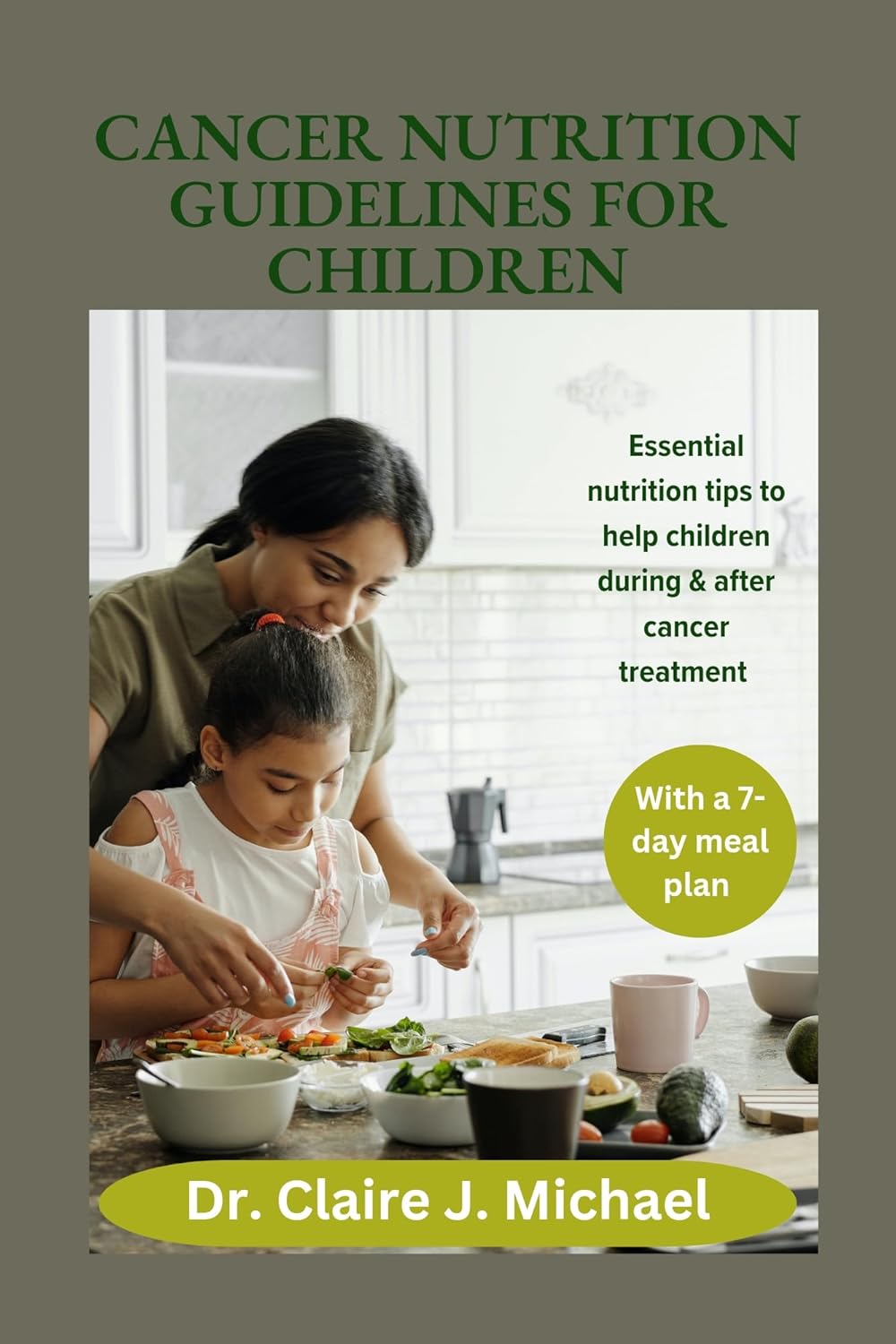
For families facing a pediatric cancer diagnosis, the battle is fought on two fronts: the medical fight against the disease and the daily struggle to maintain a child’s growth and strength. New data highlights a critical gap in this care, revealing that approximately 70% of children with cancer face a nutritional crisis during their treatment via Health News.
Maintaining stable nutrition is not merely about weight; it is a fundamental component of clinical success. When children maintain their nutritional status, they are better equipped to endure the physical toll of chemotherapy and radiation, increasing their chances of returning to school and resuming a normal childhood. Although, the side effects of treatment—including nausea, vomiting, diarrhea, and a profound loss of appetite—often make adequate intake nearly impossible for many young patients.
The impact of these nutritional deficits varies by cancer type. Research indicates that while 5% to 10% of children with leukemia experience malnutrition, the figure rises significantly for those with solid tumors, such as neuroblastoma, where nearly half of the patients face nutritional crises via Line Today. These deficits can lead to a dangerous cycle where malnutrition impairs drug metabolism, potentially increasing the toxicity of medications and placing a heavier burden on the child’s body.
Recognizing this urgency, the medical community is increasingly integrating nutritional assessment and intervention as a core pillar of pediatric oncology. The goal is to ensure that children do not just survive the cancer, but emerge with their growth curves, bone density, and cognitive development intact.
The Link Between Nutrition and Survival Rates
The relationship between diet and clinical outcomes is stark. According to dietitian Liu Chu-hsiu, research focusing on children with leukemia has shown a measurable difference in five-year survival rates for those who are able to return to a normal weight through nutritional intervention within the first six months of diagnosis via Ftnn News.
When a child is malnourished, the body’s ability to process medication is compromised. This can lead to an accumulation of drug toxicity, which in severe cases may force a disruption or delay in the treatment schedule. Beyond the immediate survival risk, chronic nutritional imbalance during critical growth windows can lead to long-term complications, including stunted height, reduced bone density, impaired cognitive development, and an increased risk of cardiovascular diseases in adulthood.
To address these challenges, the Cancer Care Foundation launched the “Cancer Children’s Nutrition Care Project” in 2021. This initiative provides one-on-one professional nutritional consulting, where clinical dietitians analyze a child’s height, weight, existing eating habits, and medical reports to identify nutritional blind spots and create long-term, sustainable dietary strategies via Line Today.
Implementing the ‘Three Dos and Three Don’ts’ Strategy
Navigating the dietary needs of a child undergoing cancer treatment requires a balance between fighting the disease and supporting natural growth. Dietitian Liu Chu-hsiu recommends a specific “Three Dos and Three Don’ts” (三要三不) framework to help parents manage this complexity. While the “don’ts” focus on avoiding pitfalls, the “three dos” provide a roadmap for essential intake:
- Prioritize Whole Grains and Miscellaneous Cereals: Ensuring the intake of complex carbohydrates provides sustained energy and essential B vitamins.
- Ensure Adequate Dairy Consumption: Calcium and protein from dairy are critical for maintaining bone density and muscle mass during periods of inactivity.
- Promote a Diverse, Multi-Colored Diet: Incorporating a wide variety of colorful fruits and vegetables ensures a broad spectrum of phytonutrients and antioxidants to support the immune system.
By following these principles, caregivers can better meet the dual demands of cancer treatment and the developmental milestones of childhood, helping the child’s growth curve keep pace with their peers.
Real-World Impact: From Crisis to Recovery
The human cost of nutritional neglect is illustrated by the case of a patient known as “Sandwich,” a child who was diagnosed with acute myeloid leukemia (AML) at 18 months classic. During the height of treatment, Sandwich suffered from such severe appetite loss that he was almost unable to eat, pushing him into a nutritional crisis that threatened to interrupt his entire treatment course via Health News.
Through targeted nutritional intervention and the application of professional dietary guidance, Sandwich was able to stabilize his nutritional status. This recovery was pivotal, allowing him to complete his medical protocols and eventually recover fully, returning to school by the age of 10. His experience underscores the fact that while cancer treatment saves lives, nutritional support preserves the quality of those lives.
Key Takeaways for Caregivers
- Early Intervention: Nutritional support is most effective when started immediately upon diagnosis; the first six months are critical for weight stabilization.
- Monitor Side Effects: Be vigilant about nausea, vomiting, and diarrhea, as these are the primary drivers of the 70% nutritional crisis rate in pediatric cancer.
- Professional Guidance: Because every child’s medical report and eating habits differ, one-on-one consulting with a clinical dietitian is recommended over general dietary advice.
- Focus on Growth: Nutrition isn’t just about calories; it is about protecting bone density, cognitive function, and future cardiovascular health.
As pediatric oncology continues to evolve, the integration of specialized nutritional care is moving from a supportive role to a primary clinical necessity. For families currently navigating this journey, seeking professional nutritional counseling early in the treatment process can be a deciding factor in a child’s long-term recovery and development.
We encourage families and healthcare providers to share their experiences with pediatric nutritional support in the comments below to help build a community of shared knowledge.
Related reading