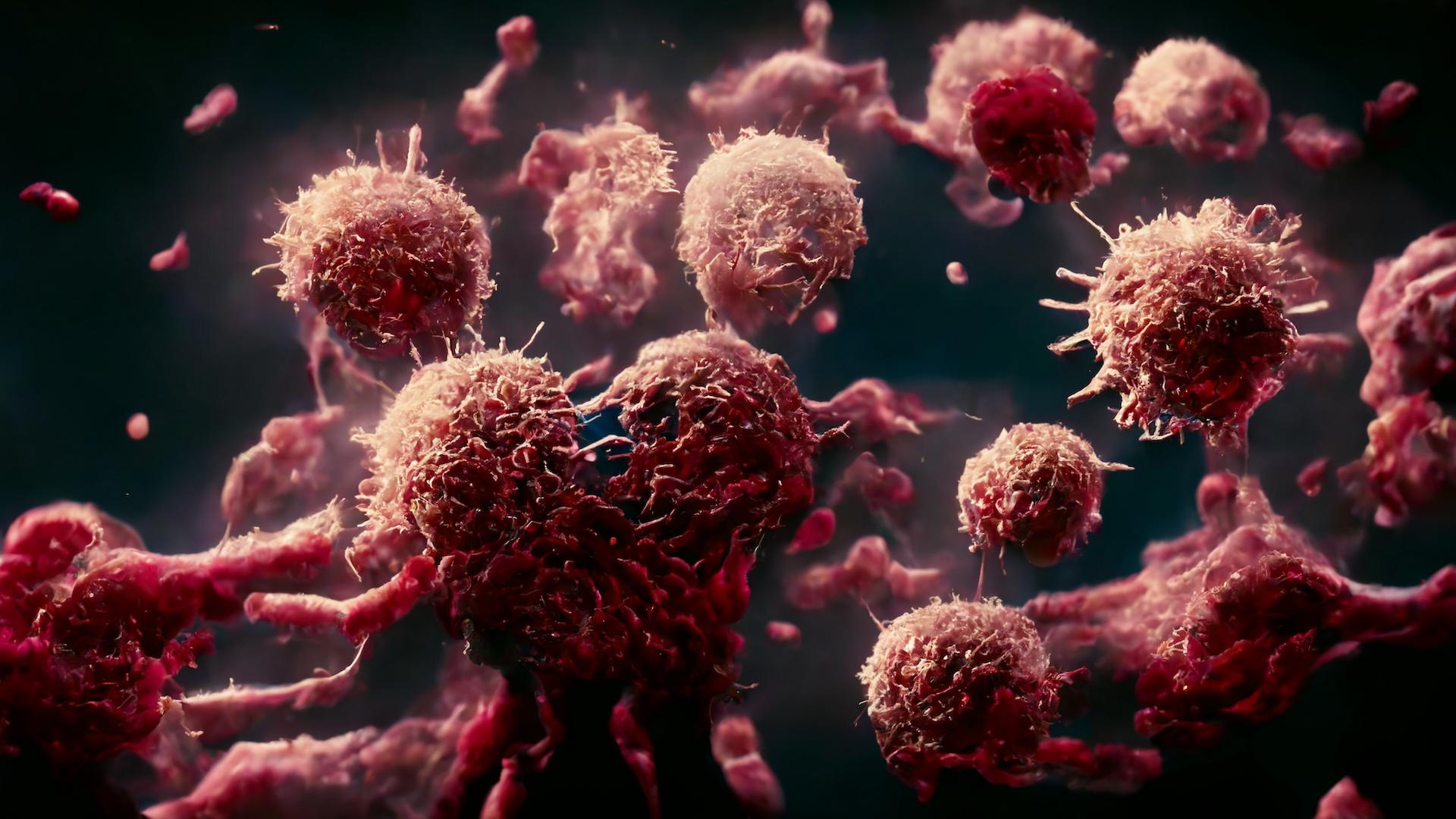
As a physician, I have spent over a decade observing how the landscape of oncology continues to shift, often in ways that surprise even the most seasoned researchers. In my work as a medical journalist, I frequently encounter reports of “repurposed” medications—drugs that were originally designed for one purpose but are found to hold promise in entirely different therapeutic areas. Recently, discussions have intensified regarding the potential for certain asthma medications to influence the immune system’s response to aggressive cancers. While the intersection of respiratory medicine and oncology is a complex field, it remains a subject of rigorous scientific inquiry aimed at improving patient outcomes.
The core of this interest lies in the way our immune system interacts with tumor microenvironments. For years, researchers have sought methods to “reawaken” the body’s natural defenses, which aggressive tumors often suppress to avoid detection and destruction. The hypothesis that common asthma treatments might play a role in this process is rooted in how these drugs modulate inflammatory pathways and cellular signaling. However, as we examine these potential breakthroughs, it is essential to distinguish between preliminary laboratory observations and clinically validated cancer treatments.
Understanding the Immune Response in Cancer
Cancer cells are notoriously adept at evading the immune system. They often create an environment that inhibits the activity of T-cells, which are the immune system’s primary “soldiers” responsible for identifying and destroying malignant cells. Immunotherapy has transformed cancer treatment by helping these T-cells recognize and attack tumors more effectively. The recent focus on asthma medications—specifically those that target airway inflammation—stems from the idea that these drugs might also reduce the suppressive signals that tumors send to the immune system.
When we discuss “repurposing” a drug, we are referring to the clinical practice of using an existing, FDA-approved medication for a new indication. According to the U.S. Food and Drug Administration (FDA), the drug development process is a lengthy and rigorous journey, even for medications that are already on the market. While a drug may have a well-understood safety profile for treating asthma, using it to treat cancer requires extensive clinical trials to determine efficacy, appropriate dosing and potential side effects in a completely different patient population.
The Science of Drug Repurposing
In oncology, the goal of repurposing is often to find treatments that are more accessible, less expensive, or more effective when used in combination with existing therapies. Asthma medications, such as those that act on the beta-adrenergic receptors or leukotriene pathways, are being studied in various pre-clinical models to see if they can alter the tumor microenvironment. These studies often utilize sophisticated cellular models to observe how specific molecules might “reset” the immune response.

while laboratory findings are promising, they are not a substitute for human clinical trials. The National Cancer Institute (NCI) emphasizes that clinical trials are the only way to determine if a new treatment approach is safe and effective for humans. Patients should always consult with their oncologists before considering any off-label use of medications. Medical decisions must be based on peer-reviewed evidence and individual patient health profiles rather than preliminary media reports.
Navigating Medical Innovation and Patient Safety
As we look toward the future of cancer care, the integration of diverse medical fields is encouraging. The potential for asthma medications to assist in cancer therapy is just one example of the broader trend of precision medicine, where we attempt to tailor treatments to the specific biological characteristics of both the patient and the disease. However, the rigor of the scientific method remains our most important safeguard.
For readers interested in the latest updates on cancer research and clinical trials, the ClinicalTrials.gov database serves as the official registry of federally and privately supported clinical trials conducted around the world. This resource is the most reliable way to monitor whether a specific drug is currently being tested for a new use in a controlled, scientific setting.
Looking Ahead
The intersection of immunology and respiratory pharmacology is an evolving field. Future updates on this topic will likely come from peer-reviewed journals and official statements from major oncology organizations, such as the American Society of Clinical Oncology (ASCO). These institutions provide the validated data necessary to move from a theoretical concept to a life-saving treatment.
If you have questions about current cancer treatment protocols or are interested in participating in clinical research, I encourage you to discuss these topics with your healthcare provider. Medical innovation is a collaborative effort between researchers, clinicians, and patients, and your engagement with verified information is a vital part of that process. Please feel free to share your thoughts or questions in the comments section below, and stay tuned to World Today Journal for continued, evidence-based health reporting.
Keep reading