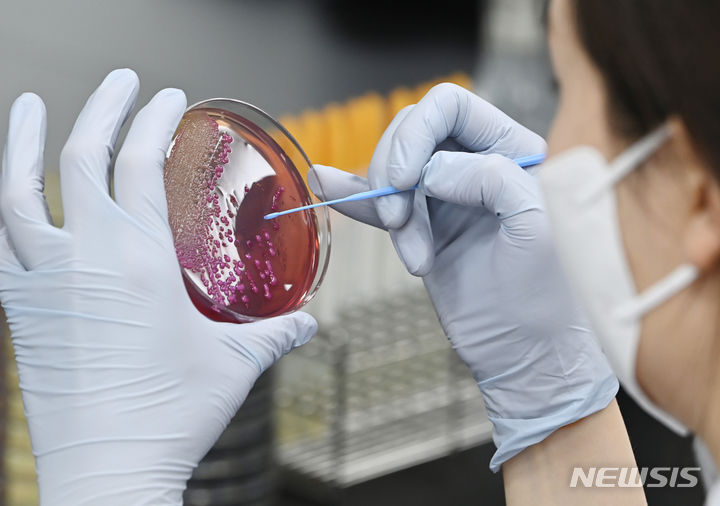
As the calendar turns to May, the arrival of warmer temperatures and a surge in outdoor activities often signal a hidden health risk: a spike in foodborne illnesses. The transition from spring to summer creates an ideal environment for pathogens to proliferate, turning celebratory picnics and family gatherings into potential health hazards if strict safety protocols are ignored.
Medical experts warn that this period is particularly deceptive. While the air feels pleasant, the increasing humidity and warmth provide the exact conditions required for bacteria to multiply rapidly. For many, the combination of increased dining out and the habit of preparing large batches of food for outdoor events creates a “perfect storm” for food poisoning and infectious enteritis.
According to Dr. Lee Mi-sook, a professor in the Division of Infectious Diseases and Immunology at Kyung Hee University Hospital, the risk of food poisoning and infectious enteritis increases significantly during May. The primary culprits behind these outbreaks often include Salmonella, Campylobacter, pathogenic E. Coli, and Norovirus
, which can cause severe gastrointestinal distress if ingested through contaminated food or water.
Understanding the mechanics of these pathogens is the first step in prevention. While Norovirus is often associated with winter, it remains a threat year-round. Conversely, bacterial pathogens like Salmonella and E. Coli thrive in the warmth, often contaminating undercooked meats or raw produce that has come into contact with contaminated soil or water.
The Science of the ‘Danger Zone’
The primary driver of May’s food safety risk is the temperature. Bacteria grow most rapidly in the range between 40°F and 140°F (4°C to 60°C), a window known to food safety professionals as the “Danger Zone.” When food is left at room temperature during a spring outing, it can enter this zone quickly, allowing a small amount of bacteria to multiply into millions of cells in a matter of hours.
The U.S. Food and Drug Administration (FDA) emphasizes that as food heats up in summer temperatures, bacteria multiply rapidly, making safe food handling during warm-weather months critical for protecting families and friends from illness.
For those preparing food for groups, the risk is compounded by “time-temperature abuse”—the practice of leaving perishable items, such as mayonnaise-based salads, deli meats, or seafood, on a table for too long. Once food has been in the Danger Zone for more than two hours (or one hour if the outdoor temperature is above 90°F/32°C), it should generally be discarded to avoid the risk of toxicity.
Identifying High-Risk Pathogens
Not all food poisoning is the same. The pathogens mentioned by Dr. Lee Mi-sook each have distinct characteristics and sources:
- Salmonella: Often found in raw poultry, eggs, and unpasteurized milk. It can also be spread via cross-contamination from raw meat to vegetables.
- Campylobacter: Frequently linked to raw or undercooked poultry and unpasteurized milk. We see one of the most common causes of bacterial gastroenteritis worldwide.
- Pathogenic E. Coli: Often associated with undercooked ground beef or contaminated raw produce (such as leafy greens) that may have been exposed to animal waste.
- Norovirus: A highly contagious virus that can be spread by an infected food handler or by consuming contaminated water or shellfish.
The symptoms of these infections typically include nausea, vomiting, abdominal cramps, and diarrhea. While many cases resolve on their own, certain populations—including infants, the elderly, and the immunocompromised—are at a much higher risk for severe dehydration and systemic complications.
Preventative Strategies for Spring Outings
To navigate the risks of May, health authorities recommend a four-step approach to food safety: Clean, Separate, Cook, and Chill. These guidelines, supported by the Centers for Disease Control and Prevention (CDC), provide a comprehensive framework for reducing the risk of infection.
1. Clean: The First Line of Defense
Handwashing is the most effective way to prevent the spread of Norovirus and other pathogens. Wash hands with soap and water for at least 20 seconds before preparing food and after handling raw meat. Similarly, all surfaces, cutting boards, and utensils should be sanitized after use.
2. Separate: Avoiding Cross-Contamination
Cross-contamination occurs when bacteria from one food (usually raw meat) are transferred to another food (such as a salad). Use separate cutting boards for produce and meats. If using a single board, wash it thoroughly with hot, soapy water between tasks.
3. Cook: Eliminating Pathogens
Heat is the only way to ensure that bacteria like Salmonella and E. Coli are destroyed. Using a food thermometer is the only reliable method to verify that food has reached a safe internal temperature. The USDA suggests that food safety is a year-round priority, but becomes especially critical during outdoor cooking events.
4. Chill: Breaking the Growth Cycle
Refrigerate perishable foods promptly. According to Health Canada, food should not be kept at room temperature for more than one hour during the summer months to prevent harmful bacteria from growing quickly in warm, moist conditions.
Special Considerations for Pediatric Care
When food poisoning affects children, the clinical approach must be more cautious. Dr. Lee Mi-sook’s team, including specialists in pediatrics, notes that pediatric food poisoning requires close monitoring for dehydration. Due to the fact that children have smaller fluid reserves and lose liquids more rapidly through vomiting and diarrhea, dehydration can escalate into a medical emergency much faster than in adults.
Parents are advised to monitor for signs of severe dehydration, such as a lack of tears when crying, dry mouth, or a significant decrease in urination. In such cases, immediate medical intervention is necessary to stabilize the child’s fluid balance.
A Warning on Self-Medication
A common mistake during an episode of infectious enteritis is the reflexive use of antidiarrheal medications (loperamide, etc.). However, medical professionals warn against the arbitrary use of these drugs. Diarrhea is the body’s natural mechanism for expelling toxins and pathogens. suppressing this process can potentially trap toxins in the gut, prolonging the infection and worsening the overall condition.
Quick Reference: Food Safety Checklist
| Action | Critical Rule | Why It Matters |
|---|---|---|
| Handwashing | 20 seconds with soap | Prevents Norovirus and bacterial transfer |
| Storage | Max 1 hour at room temp | Avoids the “Danger Zone” for bacteria |
| Cooking | Use a food thermometer | Ensures pathogens are killed by heat |
| Separation | Separate boards for meat/veg | Prevents cross-contamination |
As the weather continues to warm, the public is encouraged to remain vigilant. The convenience of outdoor dining should never supersede the fundamentals of hygiene and temperature control. By adhering to these evidence-based guidelines, the risks associated with the “May spike” in foodborne illness can be significantly mitigated.
For those experiencing severe symptoms, including high fever or blood in the stool, immediate consultation with a healthcare provider is recommended. Local health departments typically provide updated advisories on food recalls and regional outbreaks; checking these official portals is a prudent step for anyone planning large-scale food events.
Stay informed on upcoming public health advisories and seasonal safety updates from your local health authority. We invite readers to share their food safety tips or request questions in the comments section below.