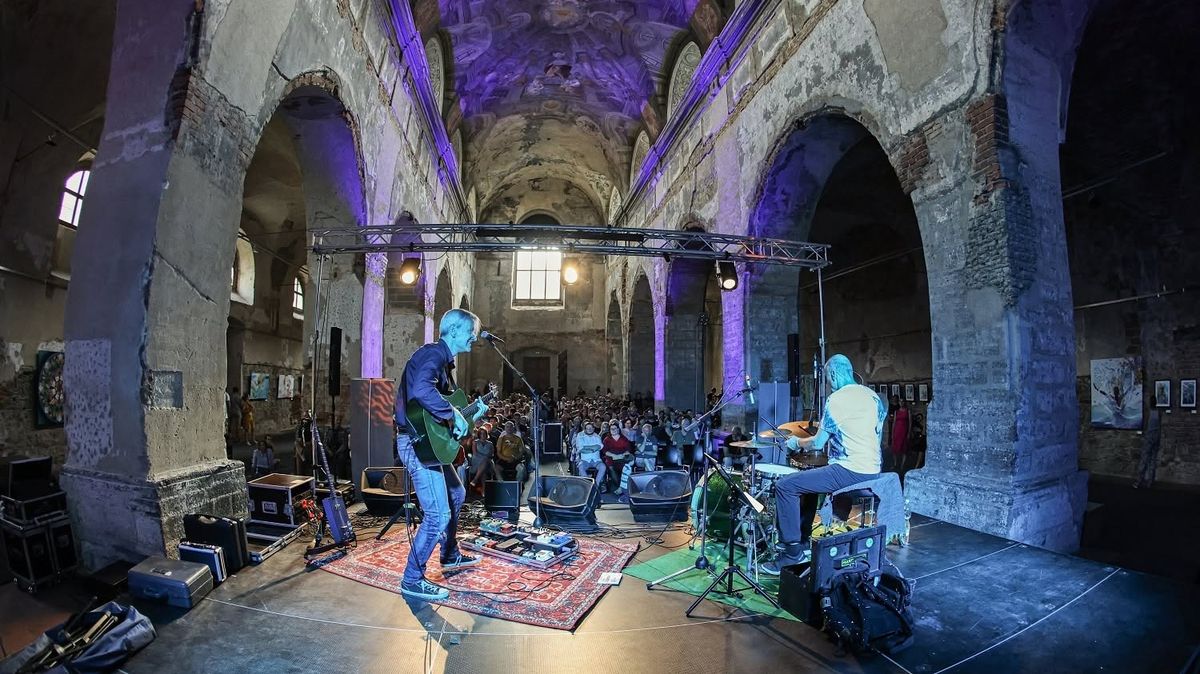
Volunteer-driven event production is gaining traction as a sustainable alternative to commercialized festival models, prioritizing community engagement over profit-driven agendas. This shift highlights a growing desire for authentic cultural experiences managed by participants rather than corporate entities, according to recent community-led organizational trends in the Czech Republic and beyond.
The philosophy behind these events often centers on the idea that high-quality cultural programming does not require extreme commercial pressure or the exhaustion of organizers. By relying on grassroots participation, these festivals aim to maintain accessibility while fostering a deeper connection between the audience and the content. This approach challenges the traditional, high-budget festival landscape that often relies on ticket price hikes and corporate sponsorships to remain viable, as noted in reports on non-profit cultural event management.
The Shift Toward Volunteer-Centric Models
The core of this movement is the rejection of the “growth at all costs” mentality often found in the mainstream entertainment industry. Organizers of volunteer-run festivals frequently cite the importance of maintaining a manageable scale that prevents burnout among staff and volunteers. According to general guidelines for non-profit operations from the Organisation for Economic Co-operation and Development (OECD), social enterprises and volunteer organizations often succeed by focusing on community-specific goals rather than market-share expansion.
By removing the pressure to maximize revenue, these festivals can often lower ticket prices or keep events free for the public. This makes cultural expression more democratic. In many European regions, the reliance on local volunteer networks allows for a leaner operational budget, which in turn reduces the need for aggressive marketing or exclusive corporate partnerships.
Maintaining Authenticity Without Commercial Pressure
Commercialization is often perceived as a threat to the original artistic intent of a festival. When a festival becomes too large, the need for consistent, high-volume income can lead to the homogenization of the program. Volunteer-run events, conversely, often prioritize local artists and niche topics that might not be considered “marketable” by large-scale promoters. This allows for a more diverse and experimental lineup that reflects the actual interests of the community rather than the trends of the music or arts industry.
Data from the Culture Action Europe network suggests that community-led initiatives are vital for the sustainability of local arts sectors, as they build resilience against economic downturns that often force commercial festivals to cancel or drastically reduce their offerings. By keeping the organizational structure flat and volunteer-based, these groups avoid the fixed costs that often lead to the collapse of larger, debt-leveraged festivals.
Why Volunteerism Matters in Event Sustainability
Volunteerism is not merely a cost-saving measure; it is a mechanism for building social capital. When participants are also the ones organizing the event, the “us vs. them” dynamic between festival producers and attendees is dismantled. This collaborative atmosphere is often cited as a key factor in the long-term success of community festivals, as it fosters a sense of ownership among the attendees.
However, the model faces challenges. Maintaining a consistent quality of production without paid professional staff requires a high level of organizational discipline. Many such festivals rely on institutional support, such as grants from local municipal governments or cultural ministries, to cover basic infrastructure costs like venue rental and permits. Detailed information on how these public-private synergies function can be found in the European Commission’s cultural policy framework, which emphasizes the role of civil society in promoting cultural diversity.
Challenges and Future Prospects
While the volunteer model is praised for its sustainability, it is not immune to the risks of human resource exhaustion. “Není nutné ubavit se k smrti”—the sentiment that there is no need to work oneself to death—serves as a guiding principle for many organizers. This mindset encourages a sustainable pace of work, where the health and well-being of the volunteers are prioritized over the scale of the event.
Looking ahead, the sustainability of these festivals will likely depend on their ability to transition from informal groups to more structured, yet still volunteer-based, non-profit organizations. This transition often involves navigating local administrative requirements, which can be complex. For those interested in the legal and logistical frameworks governing non-profit associations, the European e-Justice Portal provides comprehensive resources on the rights and responsibilities of associations and non-profit entities across the European Union.
Key Factors in Non-Commercial Festival Success
- Community Ownership: Decisions are made by those who are invested in the event’s success, not just financial stakeholders.
- Sustainable Growth: The focus remains on maintaining the quality of the experience rather than expanding the footprint of the event.
- Public Support: Many successful festivals rely on a combination of volunteer labor and modest public grants to maintain independence.
- Artistic Freedom: A lack of corporate pressure allows for niche or experimental programming that might otherwise be rejected by commercial curators.
As the festival season approaches, organizers are encouraged to continue sharing best practices for volunteer management and community outreach. Further updates regarding regional festival schedules and volunteer opportunities are typically released through municipal cultural portals and local community centers. We invite our readers to share their own experiences with volunteer-run events in the comments section below.
Worth a look