
Spanish author Javier Cercas recently identified Miguel de Cervantes’ Don Quixote as the greatest book in the world, reinforcing the novel’s enduring status as a cornerstone of Western literature. Published in two distinct parts in 1605 and 1615, the work remains a subject of intense academic and popular discourse regarding its structural innovations and its influence on the development of the modern novel, according to the Instituto Cervantes.
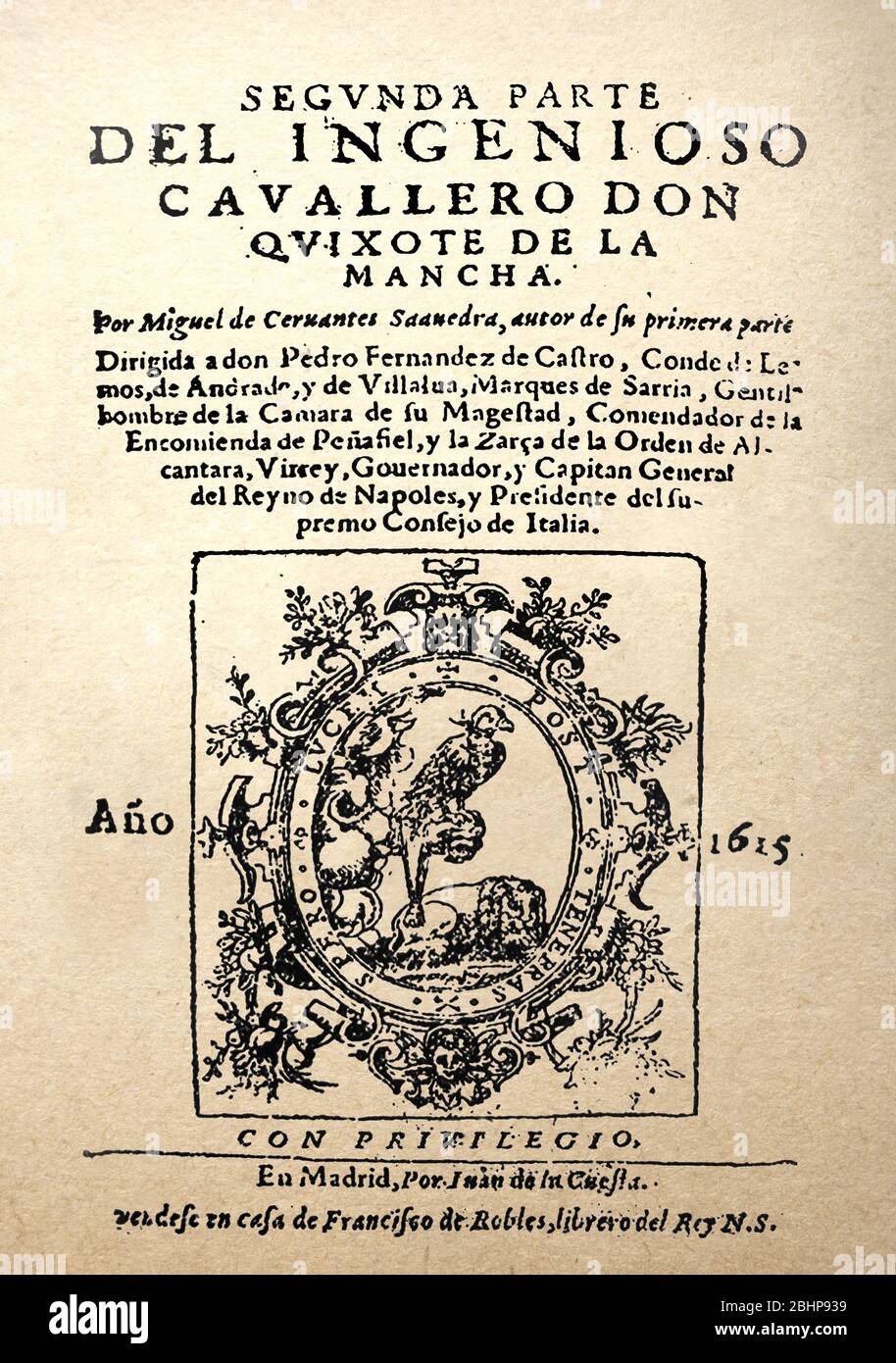
The legacy of Don Quixote—formally titled El ingenioso hidalgo don Quijote de la Mancha—extends far beyond its seventeenth-century origins. As a foundational text of the Spanish Golden Age, it is widely cited by historians and literary critics as the first modern novel. Its dual publication history, with the first volume appearing in 1605 and the second following a decade later in 1615, allowed Cervantes to evolve the narrative voice and depth of his protagonist, a detail verified by the British Library.
Literary Influence and Modern Relevance
Javier Cercas, known for his own contributions to contemporary Spanish literature, has frequently pointed to the technical brilliance of Cervantes’ prose. By subverting the chivalric romance genre, Cervantes introduced a level of irony, meta-fiction, and psychological complexity that was largely unprecedented. The narrative structure, which frequently blurs the lines between reality and the protagonist’s delusions, continues to be studied by scholars at institutions such as the Real Academia Española.
The impact of the book is not merely historical; it serves as a linguistic benchmark for the Spanish language. Much like Shakespeare’s influence on English, Cervantes’ mastery of vernacular Spanish helped codify the language into its modern form. Readers and researchers often reference the Centro Virtual Cervantes for access to digitized manuscripts and critical analyses of the text’s evolution over the last four centuries.
The Evolution of the Quixotic Narrative
When analyzing why the novel maintains its “greatest book” status, critics often highlight the development of the supporting character, Sancho Panza. The dynamic between the idealistic, delusional knight and his pragmatic squire provides the philosophical engine for the story. This interplay allows Cervantes to explore themes of social class, human fallibility, and the nature of truth, according to literary records preserved by the Biblioteca Nacional de España.
The two-part structure is significant because it reflects a shift in the author’s intent. The 1605 volume was written primarily as a satire of the popular knight-errant stories of the time. However, by the 1615 publication, Cervantes had deepened the humanity of his characters, leading to a more poignant and reflective conclusion. This transition is documented in the historical records of the Biblioteca Virtual Miguel de Cervantes, which tracks the publication timeline and the reception of both volumes.
Global Recognition and Scholarly Discourse
The global reach of Don Quixote is evidenced by its translation into virtually every major language. Its role in shaping the Western canon is a matter of record, with the book consistently appearing on lists of the most influential works of fiction ever produced. Literary experts emphasize that the text’s ability to remain relevant to modern readers lies in its exploration of the human condition—specifically the struggle to maintain one’s ideals in a world that often demands rigid conformity.
For those interested in the ongoing academic conversation surrounding Cervantes, various international symposiums and digital archives provide updated research. The Instituto Cervantes remains the primary authority for official updates, cultural events, and research initiatives dedicated to the preservation of the author’s legacy.
The next major commemoration of Cervantes’ work is expected to coincide with upcoming international literary festivals, where scholars will continue to examine the novel’s influence on 21st-century fiction. Readers are encouraged to share their thoughts on the enduring appeal of the knight of La Mancha in the comments section below.
Related reading