Digital eye strain, clinically referred to as Computer Vision Syndrome (CVS), has emerged as a significant public health concern as daily screen time continues to rise among global populations. Ophthalmologists are increasingly cautioning that prolonged exposure to digital displays—including smartphones, tablets, and desktop monitors—can lead to a constellation of ocular symptoms, including blurred vision, dry eyes, and persistent headaches.
As a physician, I frequently see patients in my practice who struggle with the physical toll of our screen-dependent lifestyles. The condition is not typically a result of permanent damage but rather the cumulative effect of reduced blink rates and sustained near-focus exertion. When we stare at digital screens, our blink rate often drops, leading to rapid evaporation of the tear film that protects the ocular surface.
Understanding the Mechanics of Digital Eye Strain
The eyes are not naturally designed to maintain a fixed focus on a glowing, pixelated surface for hours at a time. When focusing on a screen, the ciliary muscles inside the eye must contract to maintain clarity. Over extended periods, this leads to muscle fatigue, which manifests as eye soreness or a “heavy” sensation around the orbits. Environmental factors such as poor lighting, screen glare, and improper viewing distances exacerbate these symptoms, often forcing users to lean closer, which further strains the visual system.

Beyond the muscles, the tear film is the most common casualty of digital work. Because the eyes remain open wider and blink less frequently while reading digital text, the surface dries out. This leads to the classic symptoms of CVS: burning, stinging, and intermittent blurriness. In clinical settings, we often distinguish between true refractive errors—which require corrective lenses—and CVS, which is largely behavioral and environmental in origin.
The 20-20-20 Rule: A Practical Mitigation Strategy
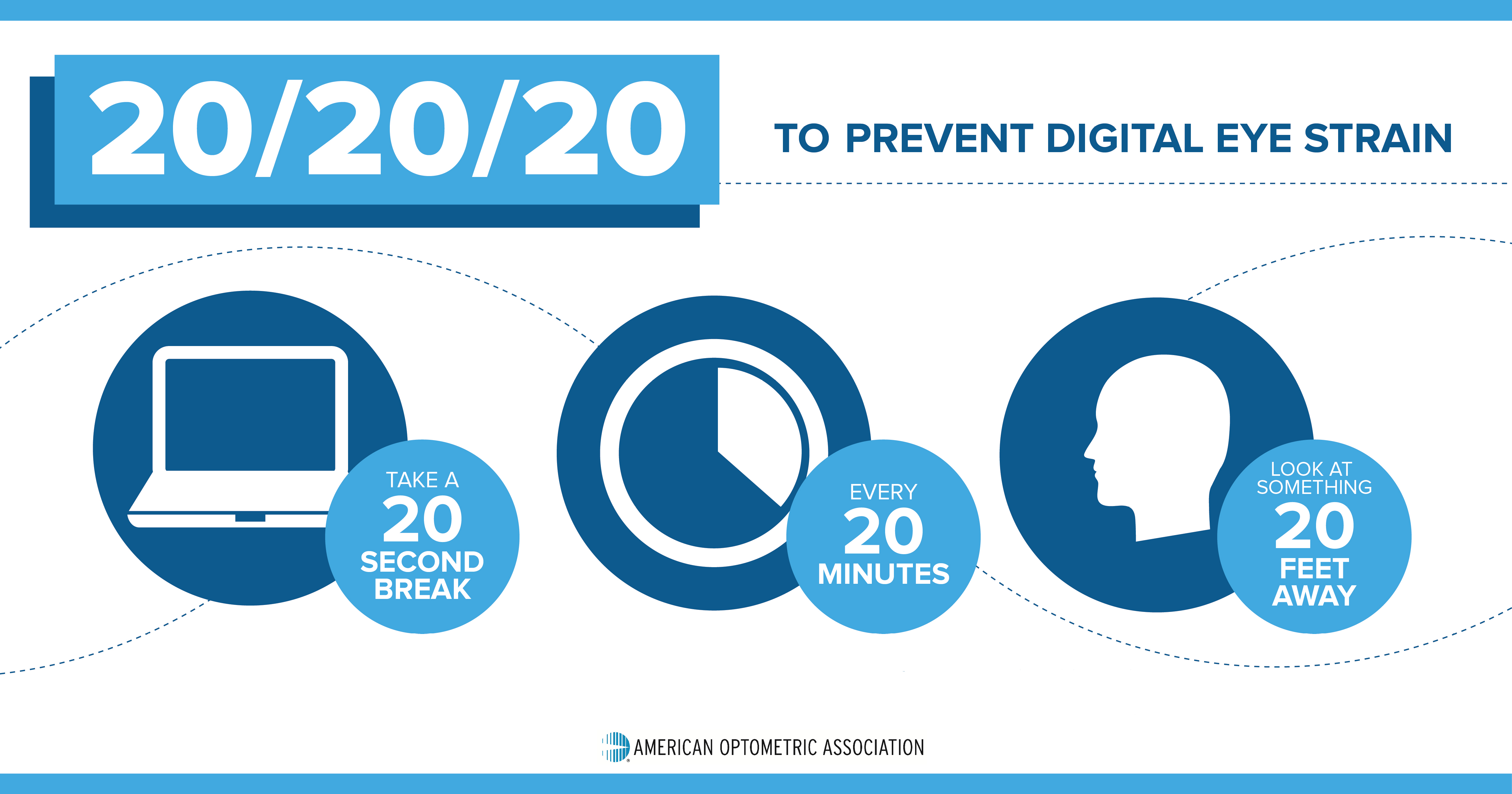
To combat the onset of these symptoms, eye health professionals recommend the “20-20-20” rule. The protocol is straightforward: every 20 minutes, take a 20-second break to look at something at least 20 feet (approximately 6 meters) away. This brief interval allows the ciliary muscles to relax and encourages a natural blink reflex, which helps to redistribute the tear film across the cornea.
Implementing this habit is one of the effective ways to manage digital fatigue without requiring medical intervention. Beyond this rule, experts suggest the following environmental adjustments:
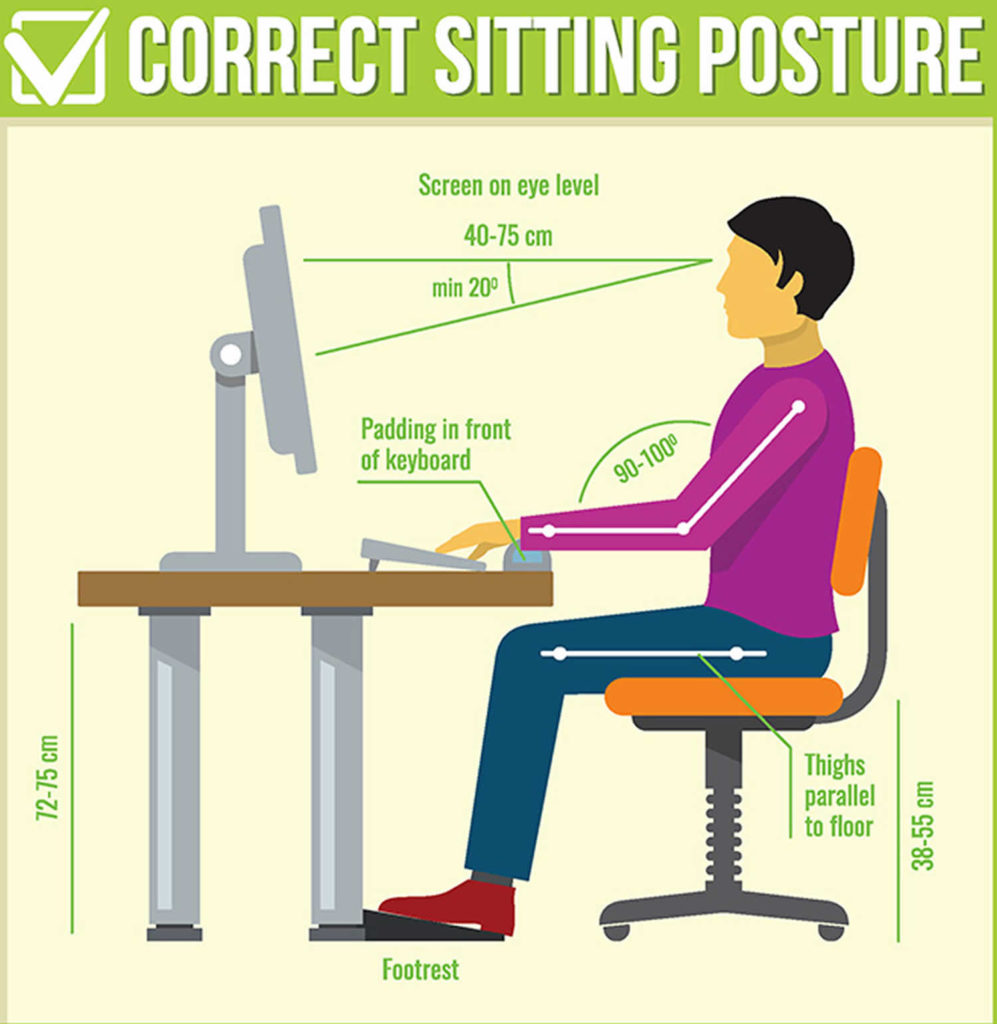
- Optimize Screen Positioning: Position your monitor roughly 20 to 28 inches from your eyes, with the center of the screen slightly below eye level.
- Manage Lighting and Glare: Use matte screen filters to reduce reflections and ensure that ambient room lighting is not brighter than the screen itself.
- Blink Consciously: Making a conscious effort to blink fully while working can significantly reduce the sensation of grittiness or dryness.
- Hydration and Environment: In dry or air-conditioned offices, using a humidifier or artificial tear drops can help maintain ocular comfort.
When to Seek Professional Medical Care
While CVS is a common byproduct of the digital age, persistent visual changes should not be ignored. If symptoms such as severe eye pain, double vision, or sudden loss of clarity persist after taking regular breaks, it is essential to consult an optometrist or ophthalmologist. These may be indicators of underlying conditions such as uncorrected astigmatism, presbyopia, or other ocular pathologies that require formal diagnosis. Routine eye examinations are the method for ensuring that any vision-related discomfort is managed correctly.
The current consensus among medical professionals is that while we cannot eliminate screen usage in modern life, we can significantly reduce its impact through consistent ergonomic adjustments and mindful visual habits. Future research remains focused on the long-term effects of blue light exposure, but for the present, the primary clinical advice remains centered on managing the physical mechanics of focus and hydration.
For individuals currently experiencing discomfort, the next step is to evaluate their workspace ergonomics and adopt the 20-20-20 rule for one full work week to observe changes in symptom frequency. Readers are encouraged to share their experiences with digital eye strain in the comments section below or consult their local healthcare provider for a personalized vision assessment.
Keep reading