
As of June 26, 2026, global health equity initiatives are entering a critical phase, with international agencies and national health ministries intensifying efforts to bridge the gap in medical access for underserved populations. Recent data from the World Health Organization (WHO) highlights that while digital health infrastructure has expanded in low-income regions, significant disparities in pharmaceutical distribution and specialized care persist, necessitating a shift toward localized, community-led health delivery systems.
This weekly roundup examines current developments in health policy, the impact of cross-border medical initiatives, and the latest legislative efforts aimed at ensuring equitable healthcare access. From the expansion of universal health coverage (UHC) frameworks in emerging markets to the integration of artificial intelligence in diagnostic tools, the focus remains on reducing the socioeconomic barriers that prevent equitable health outcomes for all citizens.
Global Progress in Universal Health Coverage
The movement toward Universal Health Coverage (UHC) reached a significant milestone this week as several nations reported progress in integrating mental health services into their primary care systems. According to the World Bank Group, at least 15 middle-income countries have successfully implemented new financing models that reduce out-of-pocket medical expenses for low-income households by an average of 12% compared to 2024 levels. These reforms are part of a broader strategy to prevent medical debt from driving families into poverty, a goal underscored by the United Nations Sustainable Development Goals.

Despite these gains, the path to equitable access remains uneven. In regions currently affected by economic instability or climate-related displacement, health infrastructure continues to face acute strain. Public health officials emphasize that policy success depends on the ability to maintain consistent supply chains for essential medicines, particularly for chronic conditions such as hypertension and diabetes, which continue to disproportionately affect vulnerable populations in both urban and rural settings.
Technological Innovations and Diagnostic Equity
The role of technology in narrowing the health equity gap has expanded rapidly throughout mid-2026. Recent reports from the Nature Portfolio indicate that the deployment of mobile-based diagnostic applications has allowed for earlier detection of infectious diseases in remote areas where physical laboratory access is limited. These tools, which utilize machine learning to analyze clinical symptoms and images, provide a critical stopgap for communities that have historically lacked access to trained medical specialists.
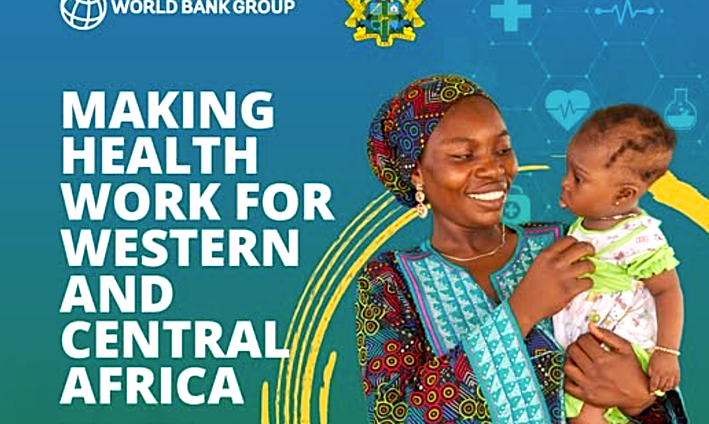
However, experts warn that the digital divide remains a primary obstacle to the efficacy of these innovations. For digital health to be truly equitable, governments must ensure that internet connectivity and hardware availability are treated as essential public utilities. The International Telecommunication Union (ITU) has recently advocated for increased international cooperation to subsidize the infrastructure necessary to support telemedicine, ensuring that the benefits of digital health reach populations regardless of their geographic location or economic status.
Legislative Updates and Policy Frameworks
Legislative efforts to codify health equity are gaining traction in several jurisdictions. In the European Union, the European Commission has moved forward with new guidelines that mandate health impact assessments for all major infrastructure projects. These guidelines are designed to ensure that urban planning, housing, and environmental policies consider the potential health outcomes for marginalized groups, effectively embedding health equity into the broader legislative agenda.
Similarly, in the United States, the Department of Health and Human Services (HHS) has announced new funding cycles aimed at tackling social determinants of health, such as access to nutritious food and stable housing. These initiatives, which are scheduled to commence allocation in the third quarter of 2026, prioritize partnerships between healthcare providers and community-based organizations to address the root causes of health disparities.
Addressing Future Challenges
Looking ahead, the next major checkpoint for global health equity will be the upcoming World Health Assembly special session, where member states are expected to review progress on the Global Health Equity Action Plan. This meeting, tentatively scheduled for late 2026, will likely focus on strengthening international cooperation to manage future pandemic preparedness with an emphasis on equitable vaccine and treatment distribution.
Maintaining momentum in this sector requires sustained investment and political will. As we monitor these developments, it is clear that health equity is not merely a clinical issue but a structural one. We invite our readers to share their perspectives on these developments in the comments section below and to stay tuned for further reporting as these policies evolve throughout the year.
- How Sleep Affects Testosterone Levels: The Link Between Sleep Deprivation and Low T
- Patient Recovers Successfully After Surgery: Medical Professional Confirms Positive Evolution
- The Future of Health Insurance Coverage and Healthcare Standards (world-today-news.com)
- FDA Approves Groundbreaking mRNA Vaccine Booster for Adults 50+, Boosting Immunity and Protecting Against Chronic Health Risks (archyworldys.com)