The Weaponization of Food: A Global Crisis Fueling Conflict and Instability
The intentional disruption of food systems is rapidly emerging as a central tactic in modern conflict, creating a devastating cycle of hunger, unrest, and escalating global insecurity. A recent briefing to the UN Security Council underscored the alarming reality: food is no longer simply a necessity, but a weapon wielded to exert control, destabilize populations, and exacerbate existing tensions across continents. This article delves into the multifaceted nature of this crisis, examining its drivers, consequences, and potential pathways towards mitigation, drawing on insights from leading UN officials and experts.
A deliberate Strategy of Starvation
The escalating use of food as a weapon is a chilling trend. As UN Deputy Secretary-General Amina Mohammed stated, “Food itself has become a weapon.” This isn’t merely a byproduct of war; it’s increasingly a deliberate strategy.Recent examples, most notably the ongoing situation in Gaza, demonstrate the devastating impact of deliberate starvation tactics.Beyond immediate crises, the systematic destruction of agricultural infrastructure – fields burned, irrigation systems sabotaged, harvests stolen – is a calculated move to undermine long-term food security and societal resilience.
This isn’t limited to active conflict zones. Global supply chain disruptions, exacerbated by geopolitical tensions and climate change, are creating vulnerabilities that can be exploited. The manipulation of food prices and access, even in ostensibly peaceful regions, can trigger social unrest and instability.
The stark Economic Disparity: Guns vs. Food
The prioritization of military spending over addressing global hunger is a glaring indictment of current global priorities. Over the past decade, nearly $22 trillion has been allocated to military expenditure – a figure that dwarfs the estimated $93 billion per year required to end hunger by 2030. This disparity isn’t just a matter of resource allocation; it reflects a basic miscalculation of threats. Ignoring the root causes of instability, such as food insecurity, while investing heavily in reactive military solutions is a short-sighted and ultimately self-defeating strategy.
The Interplay of Conflict, Climate Change, and Rising Food Prices
The crisis is further compounded by the accelerating effects of climate change.Extreme weather events - droughts, floods, and increasingly unpredictable growing seasons – are decimating agricultural yields, particularly in vulnerable regions. This climate-induced food scarcity directly fuels conflict, as communities compete for dwindling resources.
Máximo Torero, Chief Economist with the UN Food and Agriculture Organization (FAO), highlights the dangerous feedback loop: “When families cannot afford to eat, social contracts weaken. When farmers lose their crops…local markets falter and tensions flare.” Empirical research confirms a direct correlation between rising global food prices and increased social unrest,particularly in poorer countries and urban centers.Price volatility, even more than absolute price levels, is a key trigger for instability. Currently, nearly 673 million people worldwide face chronic hunger, a statistic that demands urgent attention.
Africa: The Epicenter of the Crisis
The African continent is disproportionately affected, currently experiencing food insecurity at 20.4% – double the global average.dr.Ibrahim A. Miyaki, the African Union (AU) Special Envoy for Food Systems, warns that Africa is poised to become home to over half of the world’s hungry population by the end of the decade.
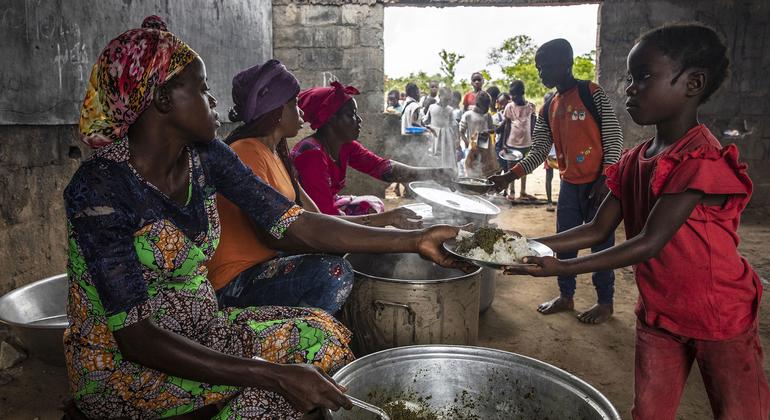
the situation in Sudan is particularly dire, with 25.6 million people acutely food insecure, including 800,000 facing famine conditions. Similarly, ongoing violence in the Democratic Republic of Congo (DRC) has destroyed agricultural lands, displaced millions, and left over 25 million people struggling with hunger.As Dr. Miyaki powerfully states, “The cost of hunger in Africa is not only counted in numbers. It is felt in broken lives, uprooted communities, and lost futures.”
Humanitarian Access: A Critical Lifeline, Often Blocked
Humanitarian aid is essential, but its effectiveness is consistently hampered by restricted access. Joyce Msuya of the UN office for the Coordination of Humanitarian Affairs (OCHA) emphasizes that “When humanitarian access is denied, hunger and malnutrition rise – often with devastating consequences for civilians.”
Even in situations with ceasefires, like Gaza, bureaucratic obstacles, border crossing limitations, and delays in aid convoys impede the delivery of vital supplies and hinder the work of aid workers. Ensuring the rapid and unimpeded passage of impartial humanitarian relief is not merely a moral imperative; it’s a critical step in preventing further escalation of conflict and suffering.
A strategic and Existential Threat: The Path Forward
Related reading