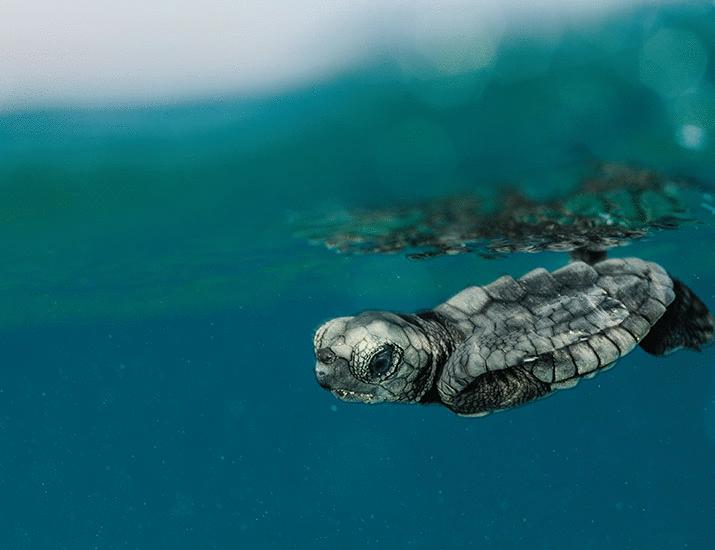
While the geopolitical tremors of the Middle East are often measured by human casualties and shifting borders, a quieter, more insidious crisis is unfolding beneath the waves. The marine ecosystems of the Red Sea and the Mediterranean are facing an unprecedented period of instability, as the physical and chemical realities of regional conflict begin to compromise the biological foundations of these vital waters.
The intersection of maritime warfare and ecological preservation has become a critical concern for the global scientific community. From the acoustic trauma inflicted by naval operations to the physical destruction of delicate coral structures and seagrass meadows, the Middle East marine life conflict is no longer a peripheral environmental issue. it is a direct threat to regional biodiversity and, by extension, human food security and public health.
As we observe the increasing volatility in key maritime corridors, the scientific consensus is shifting toward a more urgent understanding of how conflict-driven activities destabilize marine habitats. The damage is often invisible to those on the surface, yet the long-term ecological consequences could be irreversible, affecting everything from microscopic plankton to the apex predators that maintain the balance of these seas.
The Acoustic Shadow: How Underwater Noise Disrupts Marine Life
One of the most profound, yet often overlooked, impacts of maritime conflict is acoustic pollution. Sound travels significantly faster and further in water than in air, making the marine environment uniquely sensitive to man-made noise. In conflict zones, the use of active sonar, underwater explosions, and high-speed naval maneuvers creates a chaotic acoustic landscape that can be devastating for marine mammals.
Cetaceans, including dolphins and various whale species that frequent the Red Sea and Mediterranean, rely on sound for almost every aspect of their survival. They use echolocation to navigate, hunt for prey, and communicate with pod members. The sudden, intense decibel levels associated with military activity can lead to “acoustic masking,” where the natural signals of animals are drowned out, or even direct physical trauma, such as permanent hearing loss or even death from rapid pressure changes caused by intense sound waves.
Beyond the immediate trauma to mammals, the constant “noise floor” of a conflict zone can disrupt the reproductive cycles and migratory patterns of numerous fish species. When the biological rhythms of a species are out of sync with their environment, the entire food web begins to fray. This disruption is particularly concerning in the Middle East, where many species are endemic—meaning they are found nowhere else on Earth—making their local survival critical to global biodiversity.
Coral Reefs and the Physical Toll of Conflict
The Red Sea is home to some of the most resilient and diverse coral reef systems in the world. These reefs act as biological engines, supporting thousands of species and providing coastal protection for human populations. However, the physical mechanisms of warfare—missile strikes, naval deployments, and the resulting debris—pose a direct threat to these fragile structures.
When underwater explosions occur, the resulting shockwaves can shatter coral colonies that have taken centuries to grow. The seabed disturbances caused by heavy naval activity and the potential for sunken vessels to settle on reef structures lead to physical crushing and the smothering of polyps. This physical damage is often compounded by increased sedimentation; as the seabed is churned up by conflict-related activity, clouds of silt can settle on the reefs, blocking the sunlight that symbiotic algae need to survive, eventually leading to widespread coral bleaching and death.
The loss of these reefs is not merely a loss of beauty; it is a loss of infrastructure. Coral reefs serve as essential nurseries for many of the region’s commercial fish stocks. Without the protection and nutrients provided by healthy reefs, these populations can collapse, leading to a cascading effect that impacts the entire marine food chain.
Mediterranean Seagrass and the Hidden Foundations of the Sea
In the Mediterranean, the focus of ecological concern often shifts toward the vast meadows of seagrass, such as Posidonia oceanica. These “underwater forests” are among the most important carbon sinks on the planet and provide critical habitat for a myriad of marine organisms. They also stabilize the seabed and prevent coastal erosion.

The environmental impact of conflict in the Mediterranean includes the risk of chemical pollution from fuel leaks, munitions, and damaged maritime infrastructure. Such pollutants can settle into the sediment or be absorbed by seagrass, disrupting the delicate chemical balance required for these ecosystems to function. The physical disruption of the seabed during naval operations can lead to the fragmentation of these seagrass meadows, which are notoriously slow to recover once damaged.
The degradation of these habitats represents a significant loss in “ecosystem services”—the natural benefits that humans derive from healthy environments. As these meadows decline, the Mediterranean loses its ability to sequester carbon and protect its coastlines, exacerbating the impacts of both regional conflict and global climate change.
The Intersection of Ecosystem Health and Human Food Security
As a physician, I view the health of an ecosystem through the lens of public health. There is an inseparable link between the biological integrity of our oceans and the nutritional security of the people who live near them. In the Middle East, millions of people rely on small-scale fisheries as a primary source of protein and a cornerstone of their local economies.
When marine biodiversity is compromised by conflict, the immediate result is often a decline in fish yields. For communities already facing the stresses of geopolitical instability, the loss of a reliable food source can trigger a secondary crisis of malnutrition and economic hardship. The collapse of local fisheries does not just affect fishermen; it ripples through the entire social fabric, affecting markets, food prices, and regional stability.
the accumulation of heavy metals and other toxins from munitions in the marine food web poses a long-term health risk to human populations. As these toxins bioaccumulate in larger predatory fish, they can eventually reach human consumers, leading to chronic health issues that may not manifest for years after the initial conflict has subsided.
Key Takeaways: The Ecological Cost of Maritime Conflict
- Acoustic Trauma: Naval sonar and explosions disrupt the communication, navigation, and survival of marine mammals like dolphins and whales.
- Habitat Destruction: Shockwaves and seabed disturbances physically shatter coral reefs and fragment vital seagrass meadows.
- Chemical Contamination: Munitions, fuel leaks, and debris introduce toxins into the water column and sediment, entering the food chain.
- Food Insecurity: The decline in fish populations directly threatens the primary protein sources and livelihoods of millions in the region.
- Climate Feedback: The loss of seagrass and coral reefs reduces the ocean’s ability to sequester carbon and protect coastlines from erosion.
Challenges in Scientific Monitoring and Data Gaps
One of the most significant hurdles in addressing this crisis is the “monitoring gap.” In active conflict zones, conducting rigorous, longitudinal scientific research is often impossible. Marine biologists and environmental scientists face significant safety risks, and the restricted access to certain maritime corridors prevents the collection of real-time data.

This lack of data creates a dangerous blind spot. Without accurate counts of species populations, assessments of reef health, or measurements of water quality, it is difficult to quantify the true scale of the damage or to design effective mitigation strategies. We are often forced to rely on satellite imagery or anecdotal evidence, which can provide a general sense of change but lack the granular detail needed for precise environmental management.
There is an urgent need for “conflict-resilient” monitoring technologies, such as autonomous underwater vehicles (AUVs) and remote sensing arrays, that can collect data in high-risk areas without endangering human researchers. International cooperation is also essential to establish “environmental corridors” or protected zones that can remain off-limits to military activity, even during periods of heightened tension.
Conclusion: A Call for Environmental Neutrality
The environmental impact of the Middle East marine life conflict serves as a stark reminder that the consequences of war are never contained within terrestrial borders. The oceans are a shared global resource, and the damage inflicted upon them is a loss for all of humanity.
As we move forward, it is imperative that international maritime law and humanitarian frameworks evolve to include more robust protections for marine environments during conflict. Recognizing the ecological health of the seas as a component of regional stability is not just an environmental necessity; it is a prerequisite for long-term human security.
Next Confirmed Checkpoint: We are awaiting the release of the next comprehensive environmental impact assessment from regional maritime monitoring bodies, expected in the coming months.
What are your thoughts on the intersection of environmental health and global security? Please share this article and join the conversation in the comments below.
Keep reading