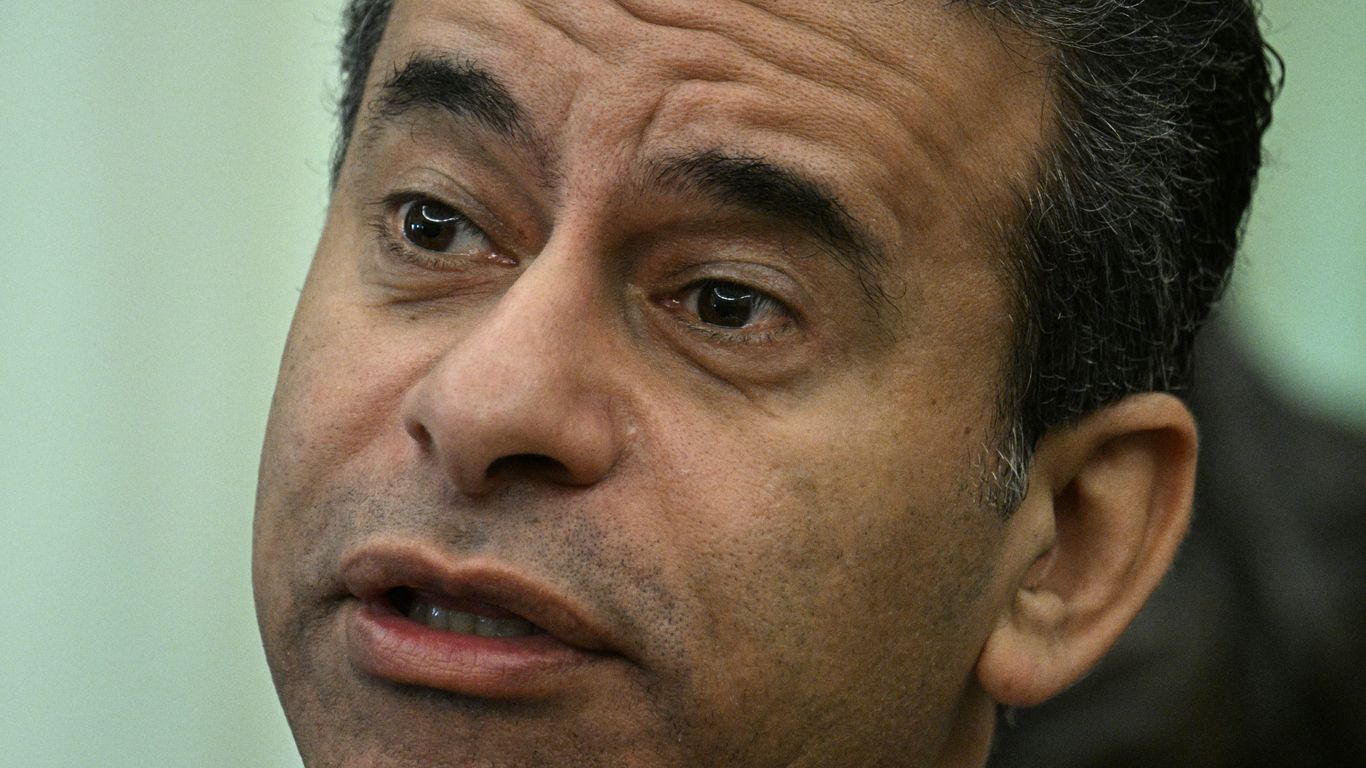
May 12, 2026 — London — Dr. Marty Makary, the Food and Drug Administration’s Commissioner, has announced his departure after a contentious 13-month tenure marked by clashes with the White House over drug approvals, flavored vapes, and reproductive health policies. The resignation, confirmed by sources familiar with the matter, leaves the FDA in a period of transition as President Donald Trump seeks to fill a key leadership vacancy at a time when the agency has become a focal point of political and regulatory debate.
Makary, a British-American surgeon and professor at Johns Hopkins University, was confirmed to the post in March 2025 amid high expectations. However, his tenure quickly became embroiled in controversy, particularly over his handling of high-profile issues like the approval of flavored e-cigarettes and the regulation of abortion pills. The FDA’s deputy commissioner for food, Kyle Diamantas, will serve as acting commissioner during the transition period.
Makary’s departure comes as the Trump administration faces pressure to reshape the FDA’s direction, with Health Secretary Robert F. Kennedy Jr. Pushing for broader changes to health policy. The resignation also leaves three critical Senate-confirmed health positions vacant, including those for the Centers for Disease Control and Prevention director and the Surgeon General. The timing of Makary’s exit—just days after the FDA approved flavored vapes—a decision that reportedly required White House intervention—has further intensified scrutiny of his leadership.
Key Takeaways: Why Makary’s Resignation Matters
- Political Tensions: Makary’s tenure was defined by clashes with the White House, particularly over the approval of flavored vapes and the regulation of mifepristone, the abortion pill.
- Regulatory Controversies: The FDA under Makary faced criticism from both anti-abortion groups and pharmaceutical investors, who complained about unpredictable drug approval decisions.
- Agency Reforms: Despite the controversies, Makary implemented several reforms, including streamlining clinical trials, reducing animal testing, and accelerating reviews for certain treatments.
- Leadership Transition: The resignation leaves the FDA without a permanent commissioner, with Kyle Diamantas serving as acting leader while the White House seeks a replacement.
- Broader Impact: The vacancy underscores the Trump administration’s broader efforts to reshape health policy, with implications for drug approvals, public health initiatives, and regulatory oversight.
From Johns Hopkins Surgeon to FDA Commissioner: A Tenure Defined by Controversy
Dr. Marty Makary’s path to the FDA was unconventional. A surgeon and health policy researcher at Johns Hopkins University, Makary was confirmed as FDA Commissioner in March 2025, bringing with him a reputation as a reform-minded physician. However, his tenure quickly became mired in political and regulatory disputes, culminating in his unexpected resignation.
One of the most contentious issues during Makary’s tenure was the approval of flavored e-cigarettes. According to Pharmacy Times, the FDA initially resisted approving fruit-flavored vapes, a decision that reportedly drew direct pressure from the White House. The approval was finalized on May 6, 2026, after President Trump intervened, according to reports from The Wall Street Journal. This episode highlighted the growing tensions between Makary and the administration, with advisers reportedly telling the president that Makary was obstructing the vaping agenda.
Another major flashpoint was the regulation of mifepristone, the abortion pill. Anti-abortion groups had called for Makary’s removal, frustrated that he did not roll back the FDA’s 2023 decision to allow mail-order prescriptions for the drug. Instead, Makary’s FDA approved a generic version of mifepristone, further alienating conservative critics. The controversy underscored the broader political battles over reproductive rights, with the FDA becoming a lightning rod in the debate.
Makary also faced criticism from pharmaceutical investors and rare disease advocates. The FDA under his leadership rejected several promising drugs for rare diseases, a decision that drew sharp criticism from biotech companies and patient groups. Vinay Prasad, the former chief of the FDA’s biologics division, was at the center of these decisions before his own departure from the agency.
Reforms Amid Chaos: What Did Makary Accomplish?
Despite the controversies, Makary’s tenure was not without accomplishments. The FDA launched several initiatives aimed at modernizing the agency, including:

- A National Priority Voucher Pilot Program, which accelerated the approval process for treatments aligned with the administration’s priorities.
- Expansion of real-time clinical trials, designed to speed up the review of promising therapies.
- Reductions in animal testing, aligning with broader efforts to modernize drug development.
- New guidelines for infant formula safety and ultra-processed foods, reflecting a shift toward more evidence-based regulation.
However, these reforms were often overshadowed by the political storms surrounding Makary’s leadership. His departure leaves the FDA in a state of flux, with the White House now tasked with finding a replacement who can navigate the complex relationship between regulatory independence and political priorities.
What Happens Next? The Road Ahead for the FDA
The resignation of Marty Makary opens a critical chapter for the FDA. With Kyle Diamantas serving as acting commissioner, the agency will continue its operations, but the long-term direction remains uncertain. The Trump administration’s choice to replace Makary will send a clear signal about its priorities for the FDA, particularly in areas like drug approvals, public health policy, and regulatory oversight.
Analysts have noted that finding a successor who balances industry support with the approval of public health advocates—such as the Medical Association for the Advancement of Health (MAHA)—will be a significant challenge. As Raymond James analyst Chris Meekins observed in a recent note, “Finding someone industry welcomes and MAHA does not despise may be a bit of a challenging channel to navigate.” This tension will likely define the next phase of FDA leadership.
The FDA’s next commissioner will also need to address ongoing controversies, including the regulation of vapes, the oversight of abortion-related medications, and the approval of new therapies for rare diseases. With three key health positions now vacant—including those for the CDC director and Surgeon General—the Trump administration has an opportunity to reshape the nation’s public health landscape.
Who Is Affected? Stakeholders in the FDA’s Future
The resignation of Marty Makary impacts a wide range of stakeholders:
- Patients: Those relying on FDA-approved drugs, particularly for rare and life-threatening conditions, may see changes in the approval process.
- Pharmaceutical Companies: Drug developers will closely watch the FDA’s new leadership for signals on approval timelines and regulatory flexibility.
- Public Health Advocates: Groups focused on reproductive rights, tobacco control, and animal welfare will be monitoring the agency’s future policies.
- Investors: The biotech and pharmaceutical sectors will be assessing the political and regulatory risks associated with the new leadership.
- The White House: The administration’s ability to influence the FDA will depend on the qualifications and priorities of Makary’s successor.
Where to Find Official Updates
For the latest developments on the FDA’s leadership transition, readers can monitor the following sources:
- FDA Official Website – For press releases and official statements.
- U.S. Department of Health and Human Services – For updates on Senate confirmations and policy changes.
- Congress.gov – For tracking legislation related to the FDA and health policy.
- The White House – For announcements on presidential nominees for FDA Commissioner.
–>
Looking Ahead: The Next FDA Commissioner
The resignation of Marty Makary leaves the FDA at a crossroads. The agency’s future direction will hinge on the priorities of its next commissioner, who will face immense pressure to balance scientific rigor with political realities. With the White House signaling a desire for policy changes, the coming months will be critical in determining whether the FDA can regain stability—or if it will remain a battleground for competing visions of public health.
The next confirmed checkpoint for updates on the FDA’s leadership transition will be the Senate confirmation process for Makary’s successor. The White House has not yet announced a timeline for nominations, but the selection process is expected to move swiftly given the agency’s critical role in public health.
As the FDA enters this period of transition, stakeholders—from patients to pharmaceutical companies—will be watching closely. The agency’s ability to maintain its regulatory independence while aligning with the administration’s goals will shape not only the FDA’s future but also the broader landscape of health policy in the United States.
For readers seeking further insights, we encourage you to share your thoughts in the comments below or explore our coverage of related health policy developments. Stay informed, stay engaged, and let us know what you think the FDA’s next chapter should look like.
Worth a look