
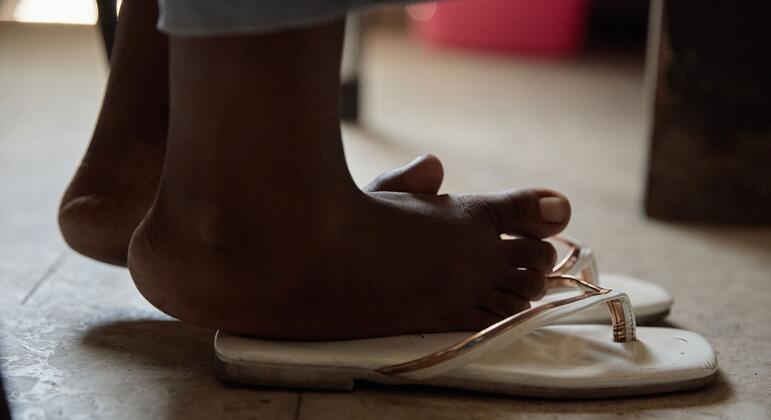
The United Nations has issued a stark warning regarding the global surge in conflict-related sexual violence, reporting that documented cases more than doubled during the most recent annual reporting period. As international observers monitor the escalation of hostilities across several continents, the systematic use of sexual violence—including rape, sexual slavery and forced abduction—has emerged as a harrowing feature of modern warfare, destabilizing vulnerable populations and complicating efforts toward long-term peacebuilding.
For those tracking these developments, the data underscores a critical deterioration in the protection of civilians in active combat zones. The United Nations Secretary-General’s annual report on conflict-related sexual violence provides the primary framework for these findings, detailing the intersection of geopolitical instability and human rights abuses. These incidents are not merely collateral damage; they are, according to the UN, being employed as tactical instruments to terrorize communities, displace populations, and consolidate control in regions ranging from parts of Africa to the Middle East and beyond.
The Scope of the Crisis: Analyzing the Data
The recent surge in reported cases reflects both an increase in the intensity of conflicts and, in some instances, improved reporting mechanisms that allow international bodies to better capture the scale of the abuse. According to the United Nations Office of the Special Representative of the Secretary-General on Sexual Violence in Conflict, these acts are frequently perpetrated against women and girls, though men and boys are also targeted in specific contexts. The organization emphasizes that the official figures represent only a fraction of the actual occurrences, as the stigma surrounding sexual violence, combined with the collapse of local justice systems in war-torn regions, often leads to significant underreporting.
The geopolitical landscape of these violations is broad. In various theaters of war, armed groups and state actors have been identified as primary perpetrators. The international community, through the UN Security Council, continues to emphasize that the failure to hold perpetrators accountable fuels cycles of violence. By documenting these patterns, the UN aims to provide the evidentiary basis required for future legal interventions and to pressure warring factions to adhere to international humanitarian law, specifically the Geneva Conventions which prohibit such acts.
Sexual Violence as a Weapon of War
The strategic deployment of sexual violence is a complex, multi-faceted issue. Experts in international law and human rights often categorize these acts as “weapons of war” because they are designed to inflict long-term psychological and physical damage that extends far beyond the immediate battlefield. This strategy is intended to erode the social fabric of a community, making it easier for armed groups to seize territory or maintain dominance.
Understanding this phenomenon requires looking at the broader context of international security. When sexual violence is used systematically, it is often a precursor to or a component of ethnic cleansing or other forms of systemic persecution. The Convention on the Elimination of All Forms of Discrimination against Women (CEDAW) and various Security Council resolutions, such as Resolution 1325 on Women, Peace, and Security, provide the legal basis for demanding state and non-state actors protect civilians from these atrocities.
Efforts Toward Accountability and Prevention
Responding to this trend, the international community has intensified its focus on transitional justice and victim-centered support. This involves not only the documentation of crimes for potential prosecution by the International Criminal Court (ICC) but also the implementation of “survivor-led” approaches to recovery. These initiatives focus on providing medical, psychological, and legal aid to those affected, ensuring that their voices are central to the peace processes that follow the cessation of active fighting.

Despite these efforts, the gap between policy and practice remains wide. Many regions where these crimes are most prevalent lack the domestic infrastructure to prosecute offenders. The reliance on international mechanisms is high, yet these institutions often face significant challenges regarding jurisdiction, enforcement, and the cooperation of the governments involved in the conflicts.
Looking Ahead: The Path Toward Resolution
As the international community grapples with these rising numbers, the focus remains on the next cycle of reporting and the implementation of tangible protective measures. The United Nations maintains a calendar of regular briefings and thematic debates within the Security Council to keep the issue of conflict-related sexual violence at the forefront of the global agenda. These sessions serve as the primary venue for member states to address the lack of compliance by warring parties and to propose new strategies for intervention.
For observers, the upcoming reports from the UN’s monitoring bodies will be critical in determining whether existing diplomatic and legal pressures are having any impact on the ground. The persistence of these crimes serves as a reminder of the fragility of international norms in the face of unchecked military aggression. Strengthening the rule of law and ensuring that sexual violence is treated as a severe violation of international law—rather than an inevitable outcome of war—remains the central challenge for global leaders today.
We will continue to monitor the upcoming UN Security Council briefings and official updates regarding these investigations. If you have insights or perspectives on the evolving landscape of international human rights reporting, please share your thoughts in the comments section below.