
The global retail landscape is currently navigating a period of significant volatility, characterized by shifting consumer preferences and intense competition among major supermarket chains. Among the most visible manifestations of this trend is the ongoing battle for shelf dominance in the pasta category—a staple product that has become a focal point for pricing strategies and private-label expansion. As inflation pressures fluctuate, retailers are increasingly leveraging dry pasta as a symbolic “battleground” to signal value to price-sensitive shoppers.
For consumers, this competitive environment often translates into a wider array of choices, though it also reflects the complex supply chain dynamics currently affecting the food industry. According to the Food and Agriculture Organization of the United Nations (FAO), global cereal and grain markets remain sensitive to climate-related production shifts and geopolitical factors that influence the cost of raw materials like durum wheat. Retailers are now tasked with balancing these wholesale cost variations against the need to maintain competitive retail pricing to preserve market share.
The Evolution of Private-Label Competition
The “pasta war” in modern retail is not merely about the price per kilogram; it is a strategic effort to capture brand loyalty. Major grocery chains across Europe and North America have aggressively expanded their private-label offerings, often positioning these house brands as direct, lower-cost competitors to established international pasta manufacturers. This strategy is central to modern grocery business models, where private labels now account for a significant portion of total retail sales, as noted in recent industry analyses of Private Label Manufacturers Association (PLMA) market trends.
This shift has forced traditional pasta producers to innovate, focusing on premium ingredients, heritage branding, and sustainable sourcing to justify price premiums. Retailers, in turn, are optimizing their shelf space, prioritizing products that offer both high turnover and healthy margins. The result is a dynamic, often aggressive, pricing environment where promotional cycles are shorter and more frequent, designed to attract the “value-conscious” consumer who is increasingly comfortable switching between premium and store-brand options.
Market Drivers and Consumer Behavior
Understanding why pasta has become such a high-stakes category requires a look at broader economic indicators. Pasta is frequently used by retailers as a “traffic driver”—a product with high household penetration that brings customers into the store. When retailers engage in price-cutting wars for pasta, the goal is often to establish a reputation for affordability across the entire store. Data from the OECD on food security and retail prices highlights how essential commodities are utilized to manage consumer perception during inflationary cycles.
The impact of this competition extends beyond the checkout counter:
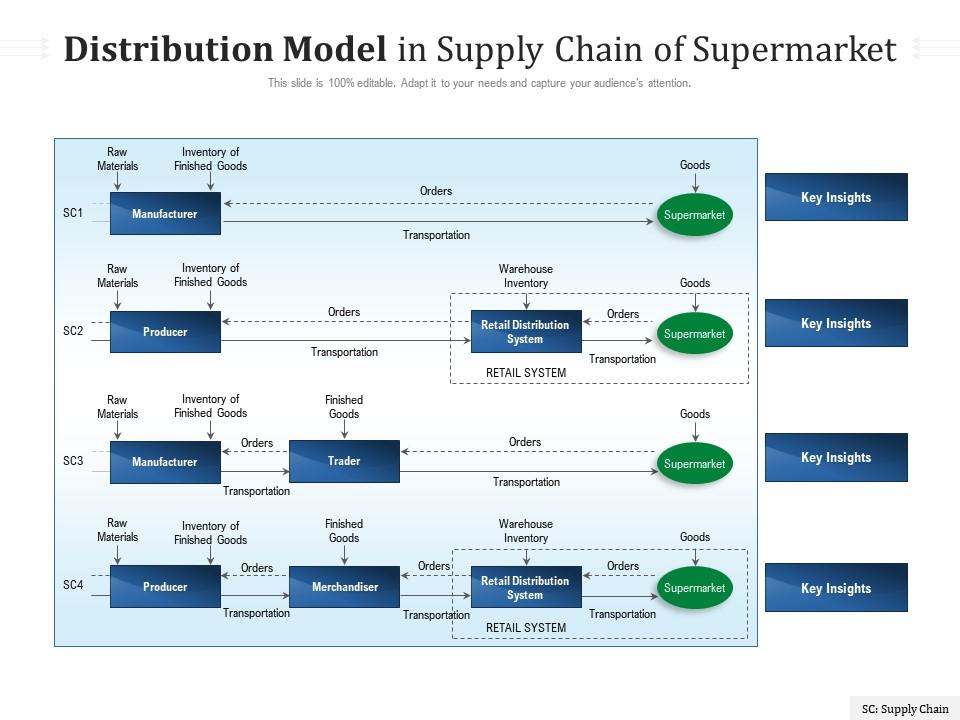
- Supply Chain Optimization: Manufacturers are under pressure to streamline production to remain competitive against cheaper private-label alternatives.
- Retailer-Supplier Relations: Negotiations between large retail buyers and major food brands have become more contentious as retailers demand lower wholesale costs to support their promotional strategies.
- Consumer Choice: While price wars may offer short-term savings, they can also lead to a consolidation of shelf space, potentially limiting the visibility of niche or artisanal pasta producers.
Strategic Outlook for the Retail Sector
Looking ahead, the tension in the pasta aisle is unlikely to dissipate. As retailers continue to invest in data-driven supply chain management and personalized marketing, the competition for shelf space will likely intensify. Industry observers suggest that the next phase of this “war” may move beyond price, focusing instead on transparency—specifically regarding the origin of wheat and the environmental footprint of production processes. Organizations like the World Trade Organization (WTO) continue to monitor how international trade agreements influence the flow of agricultural commodities, which ultimately dictates the baseline costs for these retail staples.
For the average shopper, this translates to a market where vigilance pays off. While supermarkets compete to win the “pasta war,” consumers can expect continued promotional activity. However, it is essential to look beyond the sticker price and consider the broader implications of these retail strategies on product quality and long-term market diversity.
We will continue to monitor industry reports and retail pricing data as they become available. For the latest updates on global food markets and retail policy, readers are encouraged to consult official filings from national competition authorities and international trade bodies. We invite our readers to join the conversation by sharing their observations on local pricing trends in the comments section below.
Worth a look
- Historical Swiss Mortgage Rates & SARON Trends (1986-1992)
- How Medicine Is Winning the War on Heart Disease
- Residents in southwest Arizona battle persistent fly infestation as officials face public demands (news-usa.today)
- Trip.com Group Fined $765 Million by Chinese Regulators for Market Monopoly (archyworldys.com)