
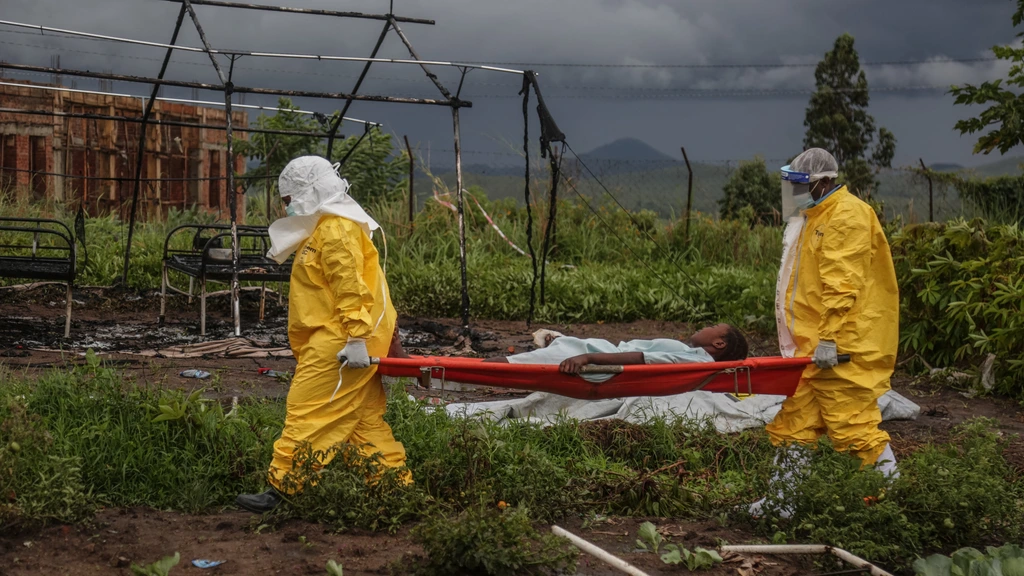
In regions grappling with the complexities of infectious disease management, the intersection of public health protocol and local community tradition can occasionally lead to volatile tensions. Recent reports from the Democratic Republic of the Congo have highlighted a distressing incident in which a healthcare facility, designated for the treatment of patients with Ebola virus disease, was targeted by an agitated crowd. This incident, centered on a dispute regarding the handling of a deceased individual suspected of having succumbed to the virus, underscores the profound challenges health authorities face when implementing necessary containment measures in sensitive cultural contexts.
As a physician, I have witnessed how the clinical necessity of strict burial protocols—often required to prevent the transmission of highly infectious pathogens—can clash with the deeply held desire of families to perform traditional funeral rites. When communication gaps exist between medical teams and the communities they serve, the resulting fear and misunderstanding can escalate rapidly. The situation in the Democratic Republic of the Congo serves as a stark reminder of the importance of community engagement and cultural sensitivity in the architecture of global health responses.
Understanding the Collision of Public Health and Tradition
Ebola virus disease (EVD) remains one of the most formidable challenges in modern medicine, characterized by high mortality rates and the necessity for rigorous infection prevention and control (IPC) measures. According to the World Health Organization (WHO), the virus is transmitted to people from wild animals and spreads in the human population through human-to-human transmission. A critical aspect of controlling an outbreak is the management of bodies. Because the body of a person who has died from Ebola remains highly infectious, the WHO mandates that burials be conducted by trained teams to minimize the risk of secondary transmission.

These protocols, while scientifically sound, often require the abandonment of traditional burial customs, which may involve washing or touching the deceased. In many cultures, these rites are essential for honoring the departed and ensuring a peaceful transition. When health authorities intervene to enforce safety protocols, the perceived disrespect toward the deceased or the community’s traditions can trigger significant unrest. The incident involving the hospital in the Democratic Republic of the Congo illustrates that, without robust community participation and transparent communication, the very facilities intended to save lives can become flashpoints for social friction.
The Role of Community Engagement in Disease Control
Effective pandemic and epidemic management requires more than just clinical expertise; it demands a sophisticated understanding of the social fabric. Public health experts have long emphasized that “top-down” interventions often struggle to gain traction if they are not integrated with local community perspectives. In the context of Ebola, initiatives that involve local leaders, religious figures, and community influencers in the development of safe burial practices have been shown to reduce resistance and improve compliance with health directives.
The Centers for Disease Control and Prevention (CDC) notes that successful response strategies must be adaptable, prioritizing the dignity of the patient and the bereaved while maintaining the integrity of the medical response. When trust is eroded—whether through lack of information, rumors, or perceived exclusion—the likelihood of community-led disruptions increases. Restoring this trust is a slow, iterative process that requires health workers to be embedded within the community, listening to concerns rather than simply dictating procedures.
Next Steps for Health Authorities
Moving forward, the priority for health agencies operating in high-risk areas must be the reinforcement of community-based surveillance and communication strategies. This involves increasing the presence of trusted local intermediaries who can explain the reasoning behind medical safety measures in languages and cultural frameworks that resonate with the population. Providing alternatives that allow for respectful mourning while maintaining safety—such as viewing the deceased from a safe distance or involving family members in the planning of the burial—can mitigate the sense of loss and alienation.

As this situation continues to unfold, health ministries and international partners are expected to review their security and communication protocols to ensure that healthcare facilities remain safe spaces for both patients and medical personnel. The objective remains clear: to save lives through evidence-based medicine while upholding the fundamental human need for dignity in death. We will continue to monitor official updates from the WHO Regional Office for Africa regarding the status of affected facilities and any shifts in outreach strategies.
If you found this analysis helpful, please consider sharing this article with your network to foster a better understanding of the challenges surrounding global public health. We welcome your thoughts on how medical institutions can better balance clinical safety with cultural respect in the comments section below.