Congo River Boat Disasters: understanding the Crisis and What’s Being Done
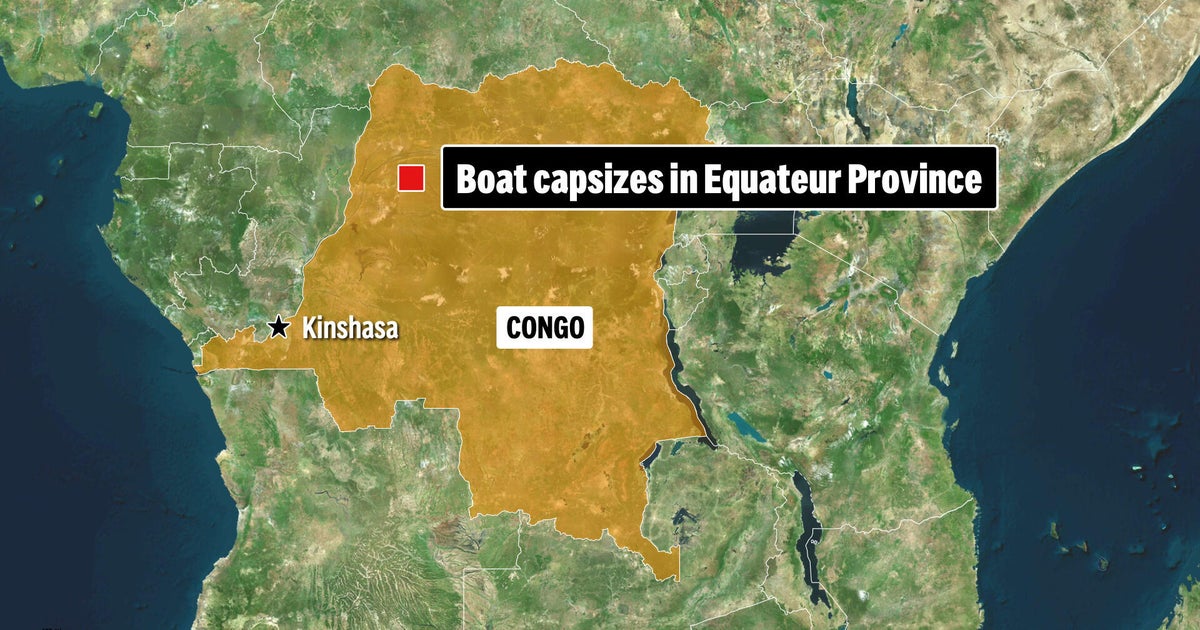
the Congo River, a vital artery for transportation in the Democratic Republic of Congo, has witnessed two devastating boat accidents this week, claiming the lives of at least 193 people and leaving many more missing. Thes tragedies, occurring within days of each other in the Equateur province, underscore a recurring and deeply concerning pattern of maritime disasters in the region.But what’s driving this crisis, and what can be done to prevent future loss of life?
The Recent Tragedies: A Closer Look
On Thursday evening, a boat carrying nearly 500 passengers caught fire and capsized on the Congo River in the Lukolela territory. According to the Congo’s humanitarian affairs ministry, 209 survivors were rescued near the village of Malange. The previous day, a motorized boat capsized in the Basankusu territory, resulting in at least 86 confirmed fatalities, many of whom were students. The number of missing remains unclear.
The immediate causes of these accidents are still under inquiry, but preliminary reports point to a risky combination of factors.
Why Are These Accidents Happening? A Complex Web of Issues
These aren’t isolated incidents. Boat capsizings are becoming increasingly frequent in the DRC, and the reasons are multifaceted:
* Overcrowding: Vessels routinely exceed their passenger capacity, significantly increasing the risk of capsizing. Imagine trying to balance on a small raft with far too many people – the same principle applies here.
* Poorly Maintained Vessels: Many boats are constructed from wood and are in a state of disrepair, unable to withstand the demands of frequent travel and heavy loads.
* Lack of Safety Equipment: Life jackets are rarely available, and even when present, are often insufficient in number. This drastically reduces the chances of survival in the event of an accident.
* Night Navigation: Traveling at night is common, but severely hinders rescue efforts and makes it difficult to avoid obstacles.
* Improper Loading: Uneven distribution of weight and improper cargo securing contribute to instability.
* Limited Regulation & enforcement: Weak oversight and a lack of enforcement of existing safety regulations exacerbate the problem.
As reported by state media, Wednesday’s accident was attributed to ”improper loading and night navigation.” However, local civil society groups suggest deeper systemic issues are at play, pointing fingers at governmental negligence and claiming the death toll is likely higher then officially reported.
The Congo River: A Lifeline with Deadly risks
For many Congolese,the river isn’t just a waterway; it’s a lifeline. with limited road infrastructure, particularly in remote areas, river transport is frequently enough the most affordable and accessible option for both people and goods. however, this reliance comes at a steep price.You’re essentially trading time and cost for safety, and the consequences can be catastrophic.
What’s Being Done – and What More Needs to Happen?
While immediate rescue operations are crucial in the aftermath of these disasters, a long-term, comprehensive approach is needed to address the root causes. Here’s a breakdown of potential solutions:
* Invest in Infrastructure: Developing and improving road networks would reduce reliance on river transport.
* Vessel Inspections & Regulation: Implement rigorous and frequent inspections of boats to ensure they meet safety standards. Strict enforcement of passenger and cargo limits is vital.
* Mandatory Safety Equipment: require all vessels to carry sufficient life jackets and other essential safety equipment.
* Training for Boat Operators: Provide comprehensive training for boat operators on safe navigation, maintenance, and emergency procedures.
* Discourage night Navigation: Implement regulations restricting or prohibiting nighttime travel, especially for smaller vessels.
* Community Awareness Campaigns: educate communities about the risks of unsafe river travel and their rights as passengers.
* increased Government Oversight: Strengthen governmental oversight of river transport and hold those responsible for negligence accountable.
the Human Cost: Remembering the Victims
Beyond the statistics, it’s crucial to remember the human cost of these tragedies.Families are grieving, communities are shattered, and the future of countless individuals has been irrevocably altered.images emerging from the scene show villagers mourning amongst the bodies, a stark reminder of the devastating impact of these accidents.
What can you do? Share this article to raise awareness about this critical issue. consider supporting organizations working to improve safety and infrastructure in the DRC.