The Congressional Black Caucus (CBC) has intensified its efforts to influence the private sector’s role in American politics, calling on major corporations to take a firm stand against Republican-led redistricting initiatives. As the U.S. Prepares for future election cycles, the caucus is framing these geographic changes to voting districts not merely as routine legislative adjustments, but as a significant threat to the political representation of Black communities across the nation.
This push represents a strategic shift for the CBC, which is increasingly looking to external pressure—specifically from the business community—to act as a bulwark against state-level redistricting efforts. By urging companies to oppose these maps, the caucus is attempting to bring the weight of corporate social responsibility into the volatile arena of voting rights and electoral geography, a move that highlights the ongoing national debate over the fairness and transparency of the redistricting process.
The Intersection of Corporate Influence and Voting Rights
At the heart of this campaign is the assertion that redistricting, when used to dilute the voting power of minority groups, undermines the stability of democratic institutions upon which businesses rely. The CBC’s outreach to major corporations aims to frame opposition to these maps as a core component of corporate advocacy for civil rights. The caucus argues that when companies remain silent, they become complicit in legislative efforts that they claim systematically disadvantage Black voters.
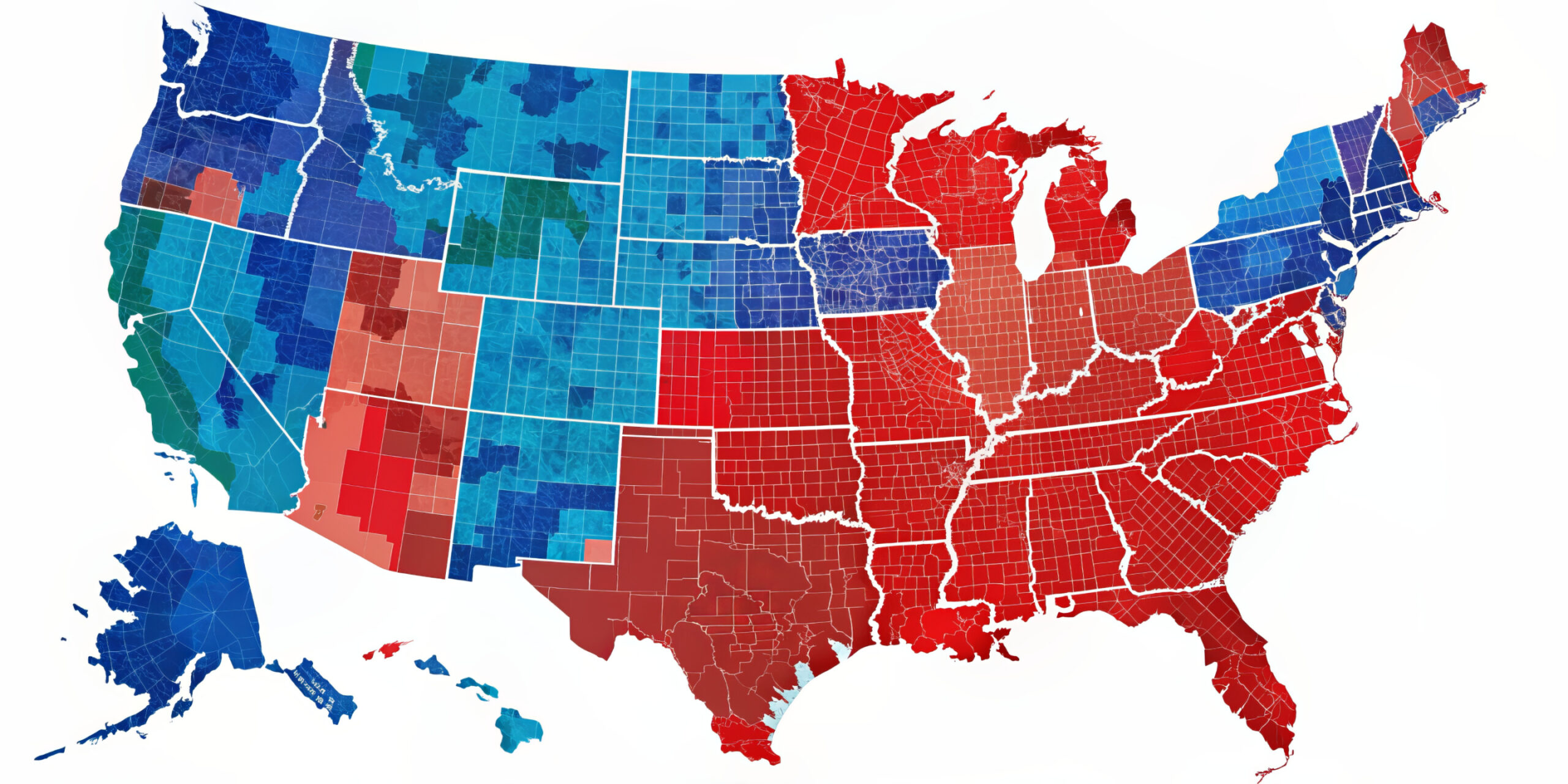
The geography of this conflict is expansive, stretching from Georgia to several other states where new maps have drawn intense scrutiny from civil rights organizations and legal advocacy groups. For those looking to understand the mechanics of these changes, the Brennan Center for Justice provides extensive research on how redistricting impacts electoral outcomes and democratic representation. This resource outlines how the drawing of district lines can influence which parties hold power and how effectively different demographic groups can elect their preferred candidates.
Understanding the Redistricting Process
Redistricting is the process by which legislative and congressional district lines are redrawn every ten years following the completion of the national census. While the process is intended to ensure that districts have roughly equal populations, the practice of gerrymandering—drawing lines to favor one political party or group over another—remains a central point of contention. The current debate centers on whether these lines have been drawn to intentionally diminish the influence of Black voters, a practice often challenged under the Voting Rights Act of 1965, which remains the primary federal tool for addressing discriminatory voting practices.
The CBC’s appeal to corporations is rooted in the belief that private-sector stakeholders have both the leverage and the moral imperative to intervene. By leveraging their influence, corporations can potentially shift the political calculus for lawmakers who might otherwise face little resistance when proposing maps that draw criticism from community leaders. The efficacy of this strategy, however, remains a subject of debate, with some observers questioning whether corporations will risk alienating conservative legislators to satisfy the demands of civil rights groups.
What Happens Next: Monitoring Future Developments
The pressure campaign from the Congressional Black Caucus is expected to continue as various state legislatures move through their respective redistricting cycles and as legal challenges against existing maps proceed through the court system. For citizens and stakeholders interested in tracking these developments, the official U.S. Congress website serves as a primary hub for legislative updates and information regarding federal voting rights legislation.
Observers should look for upcoming statements from both corporate entities and legislative bodies as this issue continues to evolve. While it is unclear how many corporations will heed the call of the CBC, the dialogue itself underscores the increasing fusion of corporate political engagement and civil rights advocacy. As legal battles over these maps move through the court system, the role of external advocacy—from both the business community and non-profit organizations—will likely remain a critical factor in the ongoing discourse surrounding American democracy.
We invite our readers to share their perspectives on the role of the private sector in political advocacy. How much influence should corporations have on the legislative process, and where should the line be drawn between social responsibility and political neutrality? Please feel free to join the discussion in the comments section below.