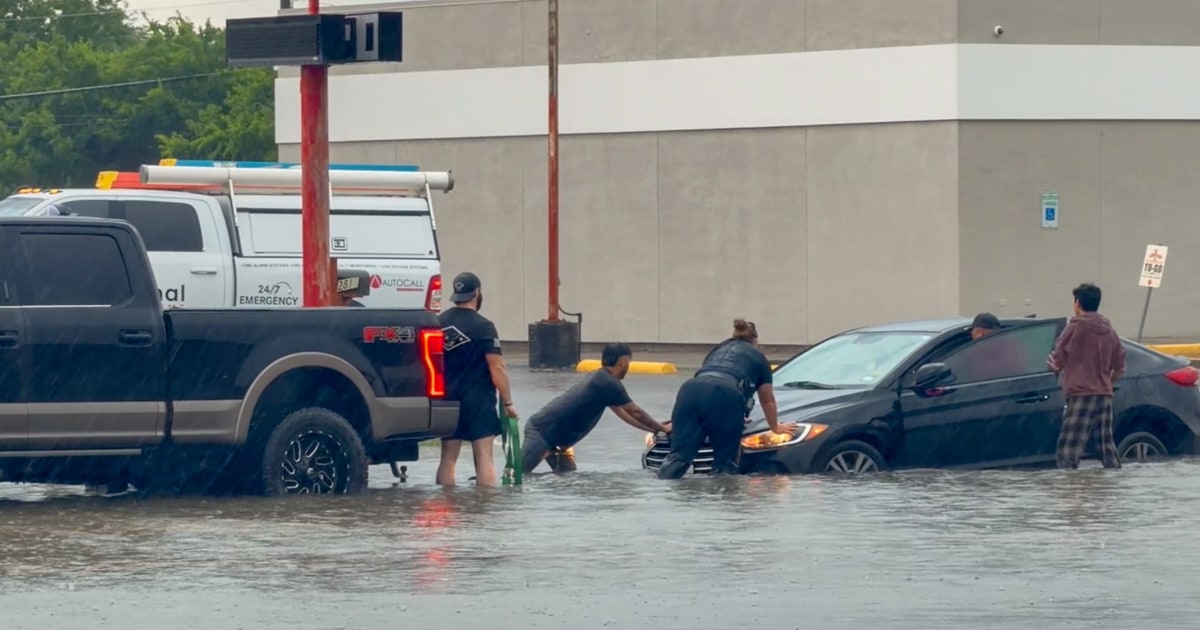
Heavy rains that drenched the American South over the Memorial Day weekend have left millions in flood-prone regions bracing for potential disasters as forecasts warn of worsening conditions. Meteorologists and emergency officials are urging residents in Texas, Louisiana, Mississippi, and Alabama to prepare for rising rivers, flash flooding, and possible evacuations, with some areas already experiencing localized flooding. The situation underscores the growing threat of extreme weather events in a region still recovering from earlier storms this spring.
According to the National Weather Service (NWS), persistent rainfall—exceeding 5 to 10 inches in some areas—has saturated already waterlogged soil, reducing the ground’s ability to absorb additional moisture. Flash flood watches have been issued for at least 12 counties in Texas and Louisiana, with the NWS warning that “life-threatening flooding” could occur within 24 to 48 hours. Meanwhile, the Federal Emergency Management Agency (FEMA) has activated regional coordination centers to monitor the situation and deploy resources if needed.
In Texas, where rivers like the Brazos and Trinity are already running above flood stage, local officials are advising residents in low-lying areas to move to higher ground. The city of Houston, still recovering from Hurricane Harvey in 2017, has reopened emergency shelters and urged citizens to sign up for local alert systems. “We’ve seen this pattern before, but the intensity is higher this year,” said a spokesperson for Harris County Flood Control, adding that infrastructure improvements since Harvey have helped—but not eliminated—the risk. Meanwhile, in Louisiana, the Atchafalaya Basin is under close watch, with levees reinforcing critical infrastructure as water levels creep toward record highs.
Why Is the South So Vulnerable to Flooding?
The South’s susceptibility to flooding stems from a combination of geographic, climatic, and human-made factors. The region’s flat terrain and dense river systems—such as the Mississippi and its tributaries—mean water has few natural outlets during heavy rainfall. Climate models also indicate that the frequency of “atmospheric river” events, which dump massive amounts of moisture, has increased by nearly 50% over the past decade, according to research published in Nature Climate Change in 2025. Urbanization has exacerbated the problem: impervious surfaces like concrete and asphalt prevent water absorption, while aging drainage systems struggle to handle the volume.
deforestation and wetland loss—particularly in the Mississippi Delta—have reduced the land’s ability to act as a natural sponge. A 2024 study by the U.S. Geological Survey (USGS) found that wetlands in Louisiana alone have shrunk by 25% since 2000, directly correlating with higher flood risks. “Every acre of wetland lost is like removing a buffer between the river and communities,” explained a USGS hydrologist.
Who Is Most at Risk?
While flooding affects all residents in high-risk zones, certain populations face disproportionate threats. Low-income communities, which are often located in floodplains due to historical redlining practices, lack the resources to relocate or reinforce homes. The U.S. Department of Housing and Urban Development (HUD) reported in 2025 that 68% of flood-prone properties in Texas and Louisiana are owned by households earning less than $50,000 annually. Elderly residents and those with disabilities also face higher risks, as mobility challenges can delay evacuations.

Agricultural workers in the region—many of whom are migrant laborers—are particularly vulnerable. With crops already stressed by earlier droughts, flooding could devastate livelihoods. The USDA’s Farm Service Agency has warned that cotton and rice harvests in Mississippi and Arkansas could be slashed by up to 30% if floods persist, threatening both local economies and food supplies.
What Are Officials Doing to Respond?
State and federal agencies are mobilizing resources to mitigate the impact. In Texas, Governor Greg Abbott has declared a state of emergency for 17 counties, freeing up National Guard units and state troopers to assist with evacuations and road closures. FEMA has pre-positioned mobile flood barriers and high-water vehicles in strategic locations, while the American Red Cross has opened disaster response centers in Beaumont, Shreveport, and Baton Rouge.
Long-term solutions are also under discussion. The Biden administration’s Infrastructure Investment and Jobs Act, which allocated $46 billion for climate resilience projects, includes funds for restoring wetlands and upgrading levees. However, critics argue progress has been slow, with only 12% of the wetland restoration funds disbursed as of early 2026. “We’re playing catch-up,” said a senior official at the Environmental Protection Agency (EPA), emphasizing the need for accelerated action.
What Should Residents Do Now?
With more rain expected in the coming days, officials are urging residents to take immediate precautions:
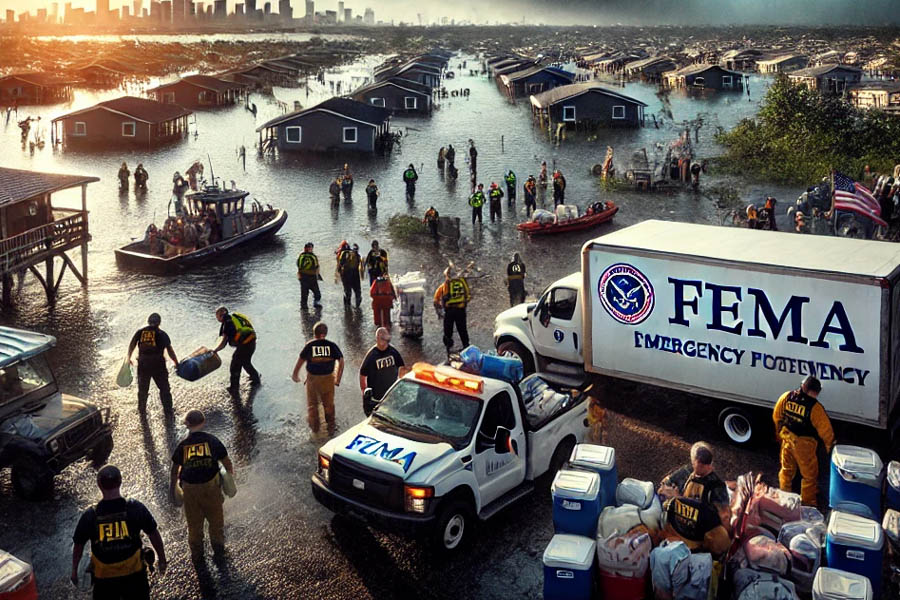
- Stay informed: Monitor alerts from local NWS offices and sign up for FEMA’s Emergency Alert System.
- Prepare an emergency kit: Include water, non-perishable food, medications, flashlights, and critical documents in a waterproof container.
- Avoid driving through floodwaters: Just 6 inches of moving water can sweep away a car. Never attempt to cross flooded roads.
- Check on neighbors: Elderly or disabled individuals may need assistance evacuating.
- Document damage: Take photos of flooded property for insurance claims.
For real-time updates, visit the NWS Flood Safety page or contact your local emergency management office. FEMA’s Disaster Recovery Center in Houston is open 24/7 for assistance.
Looking Ahead: What’s Next?
The NWS predicts that the heaviest rainfall will taper off by late Wednesday, but residual flooding could persist for weeks, particularly in river basins. The next critical checkpoint will be the weekly river forecast update on Thursday, May 27, which will provide clearer projections for cresting levels on major waterways. FEMA has scheduled a press briefing on Friday, May 28, to outline federal response plans and funding availability for affected communities.
As climate models project an increase in extreme precipitation events, this weekend’s floods serve as a stark reminder of the urgent need for both short-term preparedness and long-term infrastructure investments. For now, residents in the South must remain vigilant—because when it comes to flooding, the next storm could be just days away.
Have you been affected by the floods? Share your experiences or ask questions in the comments below. For official guidance, visit FEMA’s Flood Resources or contact your local emergency management agency.