
In a coordinated move that signals an escalating regulatory battle over digital safety, a coalition of European consumer advocacy groups has filed formal complaints against social media giants Meta, TikTok, and Google. The action, which targets the world’s most dominant digital advertising platforms, alleges a systemic failure to prevent fraudulent and scam-based advertisements from reaching millions of users across the continent.
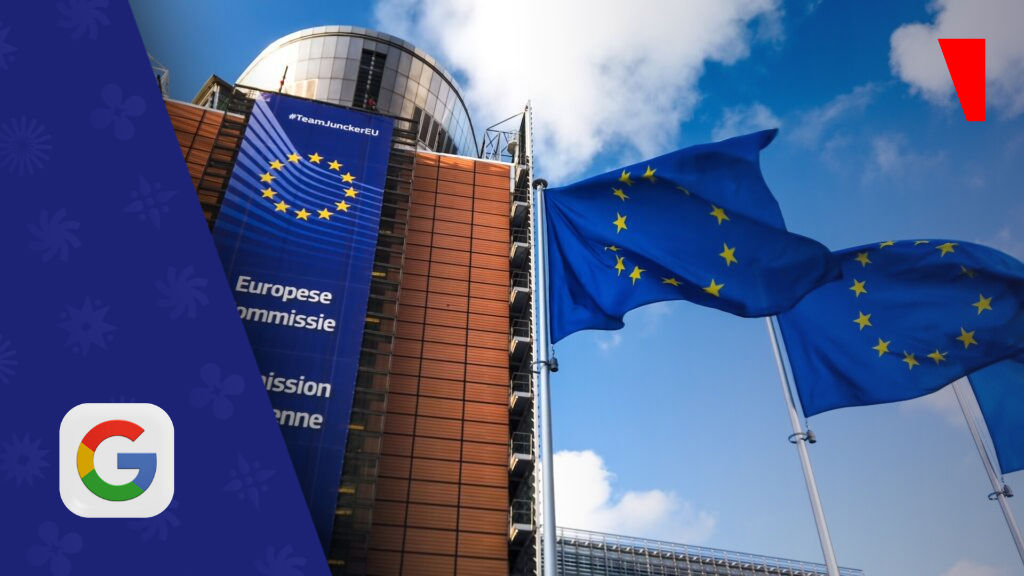
The complaints, filed with both the European Commission and various national consumer authorities, represent a significant escalation in the push for greater accountability among “Very Large Online Platforms” (VLOPs). At the heart of the grievance is the assertion that these companies have failed to maintain sufficient oversight of their advertising ecosystems, allowing criminal actors to exploit their tools for financial fraud and deceptive practices.
This coordinated legal and regulatory push follows a period of intense monitoring by consumer watchdogs. Between December 2025 and March 2026, the European Consumer Organisation (BEUC) and 13 other prominent European consumer organizations documented and reported nearly 900 instances of scam advertisements across the targeted platforms. The scale of the reporting suggests that fraudulent content is not merely an occasional occurrence but a pervasive issue within the digital advertising infrastructure of Meta, TikTok, and Google.
A Coordinated European Front Against Digital Fraud
The scale of the current legal challenge is unprecedented in its geographic and organizational breadth. Led by the European Consumer Organisation (BEUC), the coalition comprises 13 additional consumer organizations from across Europe, creating a unified front that spans multiple jurisdictions. This collective action is designed to ensure that the response from both the tech giants and the European Commission is consistent and robust across the European Union and the European Economic Area.
The core of the complaint rests on the reporting of nearly 900 scam advertisements identified during a four-month window from December 2025 to March 2026. These advertisements, which often masquerade as legitimate commercial offers, investment opportunities, or official services, have been flagged for their deceptive nature and their potential to cause significant financial harm to unsuspecting consumers.
By bringing these complaints to the European Commission, the consumer groups are invoking the regulatory frameworks designed to govern the digital economy. The involvement of national consumer authorities further ensures that the issue is addressed at both the supranational and local levels, putting pressure on the platforms to implement more rigorous verification processes for advertisers.
The Norwegian Perspective: “Facilitating Crime”
In Norway, the Consumer Council (Forbrukerrådet) has emerged as a vocal participant in this international movement. The organization has joined the call for increased platform accountability, emphasizing the real-world consequences that digital scams have on individual lives and social stability.
Mette Fossum, Director of the Norwegian Consumer Council, expressed a profound concern regarding the current state of social media advertising. She emphasized that the responsibility for maintaining a safe advertising environment must lie with the companies that profit from these transactions.

“We expect the companies to have control over what is advertised and to follow up when they are made aware of fraud,” Fossum stated. She further warned of the severity of the issue, noting that the current lack of oversight effectively allows platforms to facilitate criminal activity, which, in the most extreme cases, can “destroy lives.”
The Norwegian Consumer Council’s position mirrors a broader sentiment among European regulators: that the profit models of social media companies must not come at the expense of consumer safety. The argument is that if a platform provides the tools for a transaction to occur, it must also provide the safeguards to ensure that transaction is not a criminal enterprise.
The Regulatory Context: The Shift Toward Platform Liability
To understand the significance of these complaints, one must look at the evolving legal landscape in Europe, specifically regarding the responsibilities of digital service providers. For years, tech giants operated under a “safe harbor” logic, where they were largely shielded from liability for content posted by third parties. However, the introduction of more stringent regulations has begun to shift this paradigm toward a model of active accountability.
Under current European digital frameworks, the largest platforms are held to a higher standard of care. These regulations require companies to implement robust mechanisms for identifying and mitigating systemic risks, including the spread of illegal content and fraudulent advertising. The complaints filed by BEUC and its partners specifically target the perceived gap between these legal mandates and the actual enforcement capabilities of Meta, TikTok, and Google.
The allegations suggest that the current reporting and transparency systems provided by these platforms are insufficient. Consumer groups argue that even when scam ads are flagged, the response from the platforms is often slow, ineffective, or non-existent, allowing the fraudulent content to remain active and continue causing harm.
Key Takeaways from the Consumer Complaints
- Scale of Fraud: Nearly 900 scam advertisements were reported by consumer organizations between December 2025 and March 2026.
- Targeted Entities: The complaints specifically name Meta, TikTok, and Google as the primary platforms failing to curb fraudulent ads.
- Coordinated Action: The effort is led by the European Consumer Organisation (BEUC) in collaboration with 13 other European consumer groups, including the Norwegian Consumer Council (Forbrukerrådet).
- Core Allegation: Platforms are accused of failing to control advertising content and providing inadequate systems for reporting and removing scams.
- Regulatory Focus: The complaints have been directed at the European Commission and national consumer authorities to trigger formal investigations.
The Impact on Consumers and the Digital Economy
The proliferation of scam ads is more than a regulatory inconvenience; it is a significant threat to consumer trust in the digital economy. When users cannot distinguish between a legitimate brand and a fraudulent actor, the fundamental trust required for e-commerce and digital interaction begins to erode.
The types of scams identified in such reports often include:
- Investment Scams: Deceptive ads promising high returns on cryptocurrency or stock markets to lure victims into fraudulent schemes.
- Phishing and Identity Theft: Advertisements designed to lead users to fake websites that harvest personal and financial information.
- Counterfeit Goods: Fraudulent offers for high-end products at impossibly low prices, which often result in non-delivery or the shipment of dangerous imitations.
The financial toll on individuals can be devastating, but as Mette Fossum noted, the psychological and social impacts—ranging from identity theft to the total loss of life savings—can be life-altering. For the tech giants, the challenge lies in balancing the ease of entry for legitimate small businesses with the rigorous scrutiny required to keep bad actors at bay.
What Happens Next?
The filing of these complaints marks the beginning of a formal regulatory process. The European Commission will now be tasked with reviewing the evidence provided by BEUC and the various national authorities to determine if the actions of Meta, TikTok, and Google constitute a violation of existing consumer protection laws and digital service mandates.
Should the Commission find merit in the complaints, it could launch a full-scale investigation. Such investigations have the power to result in significant mandates for operational changes, increased transparency requirements, and substantial financial penalties. The outcome will likely set a precedent for how digital advertising is policed across the globe, moving the industry toward a more regulated and safer ecosystem.
The next critical checkpoint will be the official response from the European Commission regarding the acceptance of these complaints for formal review. Industry analysts will be closely watching for any statements from Meta, TikTok, or Google regarding their compliance and their proposed measures to address these systemic concerns.
What are your thoughts on platform accountability? Should social media companies be held legally responsible for the ads they host? Share your views in the comments below and share this article to spread awareness.