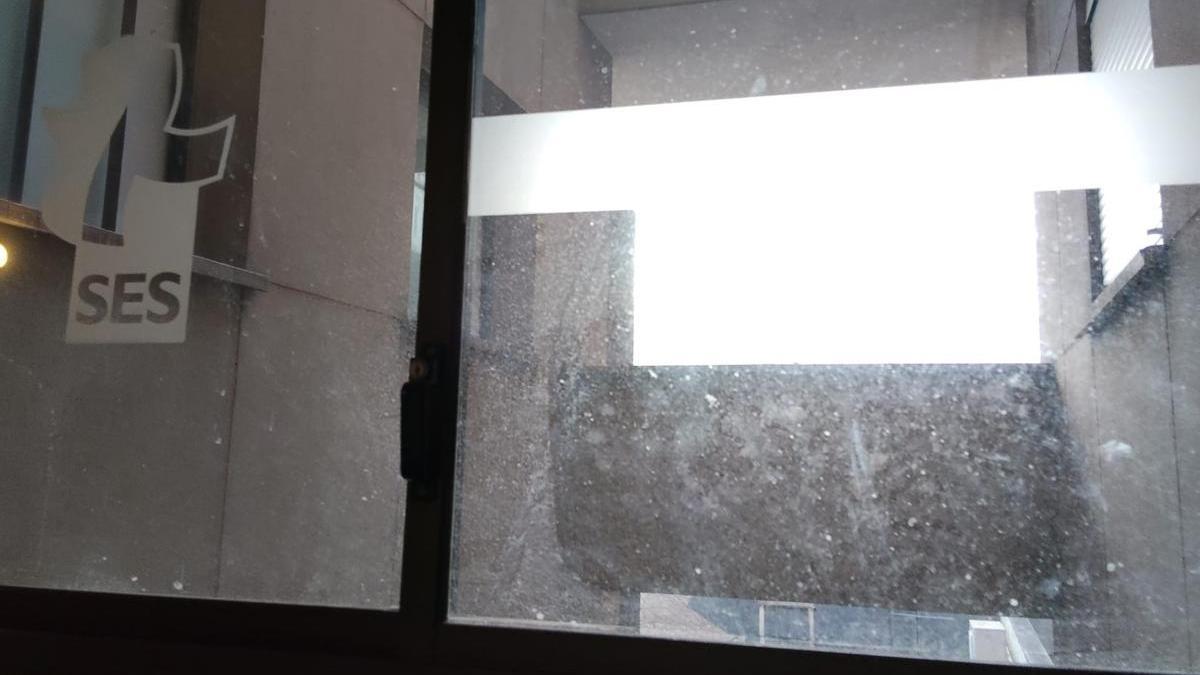
As a physician, I have long advocated for the principle that a hospital should be a sanctuary of healing—a place where clinical excellence is matched by an environment of absolute cleanliness. Recently, however, serious concerns have been raised by medical staff at the Hospital Universitario de Badajoz regarding the standards of hygiene within their facility. These reports highlight a growing friction between hospital staff and the external service providers tasked with maintaining the sanitary conditions of the complex.
The situation in Badajoz serves as a stark reminder of the essential role that hospital environmental services play in patient safety. When cleanliness protocols are compromised, it is not merely a matter of aesthetics; it is a fundamental public health issue that can affect patient outcomes, recovery times, and the overall integrity of the healthcare environment. For those of us in the medical community, the internal environment of a hospital is as critical as the medication prescribed or the surgery performed.
Concerns Over Hospital Hygiene Standards
Healthcare workers at the Hospital Universitario de Badajoz, along with staff at the Hospital Perpetuo Socorro and the Materno Infantil, have reported significant deficiencies in the cleanliness of their work environments. According to accounts from medical personnel, these issues have become increasingly noticeable over the past three years, coinciding with a change in the company contracted to provide cleaning services, identified as Tersum.
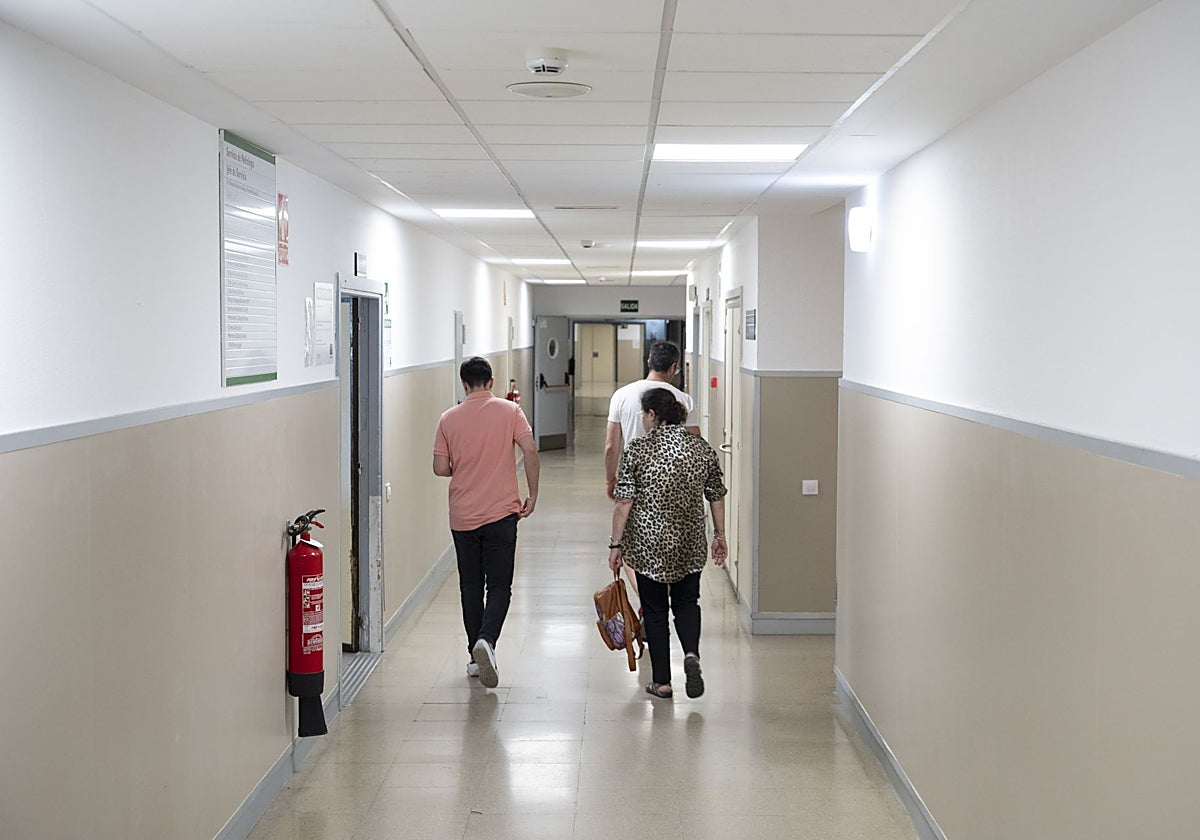
The complaints are not isolated to a single department. Staff members have reported that the lack of hygiene is visible across a wide array of areas, including patient rooms, hallways, stairwells, changing rooms, and workspaces. For frontline medical staff, who are already managing high patient volumes, the added burden of an unhygienic environment creates significant stress and operational challenges. A nurse at the Universitario noted that the issue is pervasive, affecting almost every corner of the hospital facility.
Operational Challenges and Staff Impact
The impact of these maintenance issues extends beyond mere discomfort. Medical staff have indicated that when cleaning schedules are not met—particularly in patient rooms—it leads to frustration among both patients and their families. High-quality patient care relies on a seamless integration between clinical teams and support services, such as cleaning, and sanitation. When one link in that chain fails, the entire system feels the strain.

the cleaning staff themselves are reportedly overwhelmed. According to the accounts provided by medical personnel, the cleaning staff are currently operating at maximum capacity, which hinders their ability to perform their duties effectively or supervise the work of their colleagues. This systemic exhaustion suggests that the problems at the hospital may be rooted in staffing levels or operational management rather than the dedication of the individual workers on the ground.
Why Hospital Hygiene Matters
In my years of practice, I have seen how the physical environment of a hospital influences the patient experience. Beyond the obvious need for a sterile field during procedures, the general cleanliness of a hospital ward plays a vital role in infection control and psychological well-being. A clean environment signals to patients that they are in a safe, cared-for space, which is essential for the healing process.

Effective hospital hygiene requires:
- Rigorous Oversight: Consistent monitoring of cleaning protocols to ensure standards are met.
- Adequate Staffing: Ensuring that environmental service teams have the resources and time to maintain large, complex facilities.
- Clear Communication: An open dialogue between hospital management, clinical staff, and service providers to address deficiencies before they reach a critical point.
The situation in Badajoz highlights the necessity for transparency and accountability in healthcare service contracting. When patients and staff raise concerns about the basic state of their environment, it is incumbent upon the hospital administration to investigate these claims thoroughly and ensure that the contracted services align with the highest standards of medical hygiene.
Looking Ahead
At this time, the hospital administration and the service provider, Tersum, have yet to issue a formal, detailed resolution to these specific public complaints. The situation remains a developing point of concern for the medical community in Extremadura. As is often the case in these matters, the next steps will likely involve an internal audit of the service contract and a review of the current cleaning protocols to ensure they meet the rigorous health standards required in a modern hospital setting.
We will continue to monitor the situation for any official updates or corrective measures taken by the relevant health authorities. Maintaining the trust of patients and the safety of our medical staff must remain the top priority for any healthcare institution.
What has your experience been with hospital cleanliness standards in your region? Are there protocols in place that you find particularly effective? Share your thoughts and join the conversation below.
Keep reading