
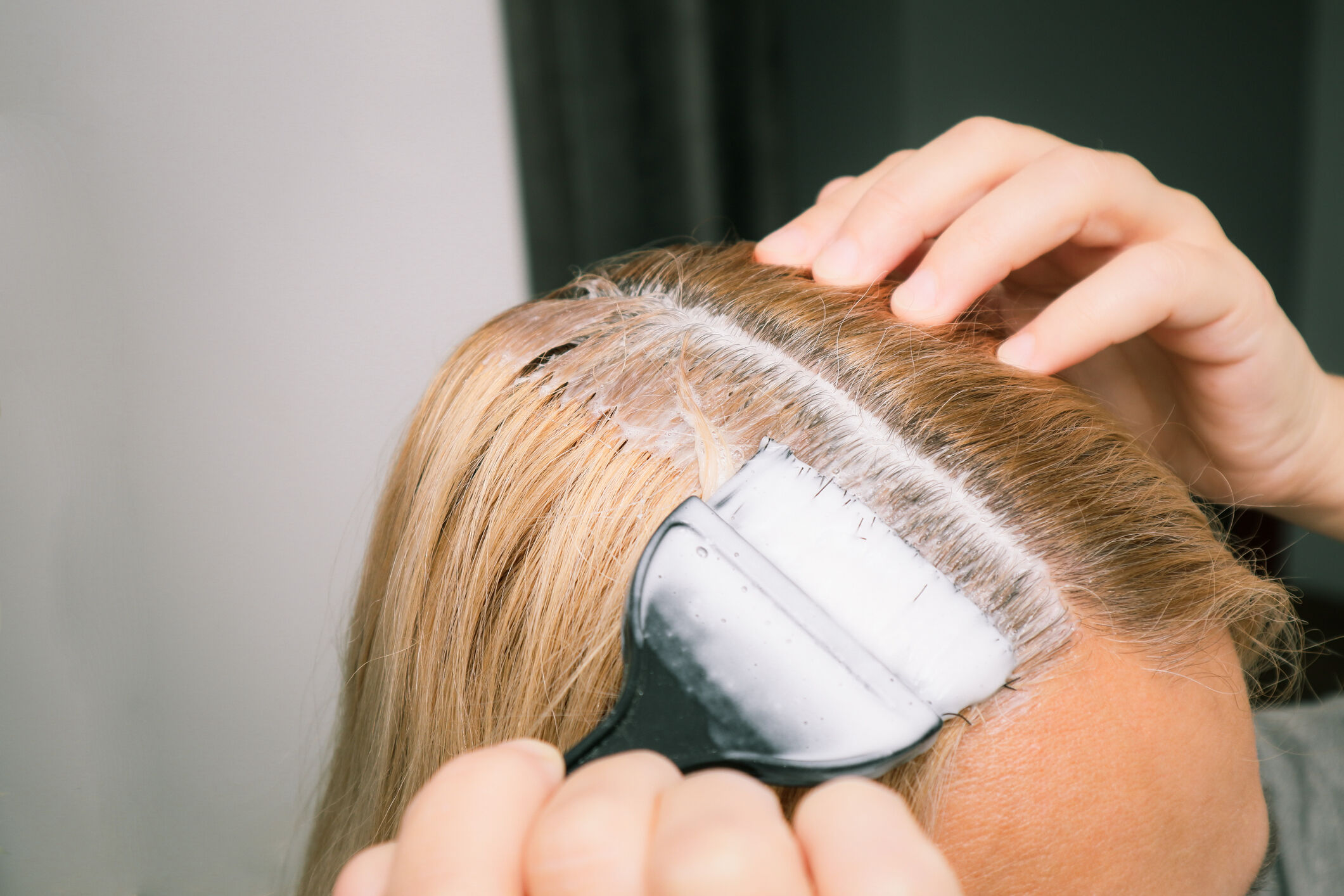
Consumer Reports has released findings from an analysis of at-home hair dye and hair chalk products, revealing the presence of toxic chemicals in every item tested. The investigation examined 21 hair dye kits and two hair chalks commonly available in retail stores and online, detecting methylene chloride—a probable human carcinogen—in all samples. The organization also identified benzene, a known carcinogen, in both hair chalks marketed to children, along with trace amounts of three heavy metals: arsenic, cadmium, and lead.
James Rogers, director of product safety at Consumer Reports, explained that while methylene chloride was detected across all hair dye products, its presence raises concerns due to its classification as a probable human carcinogen by environmental and health agencies. The chemical is commonly used in industrial applications such as paint strippers and adhesives, but its detection in personal care products has prompted scrutiny over potential long-term exposure risks, particularly with repeated use.
The discovery of benzene in children’s hair chalks is especially troubling given the chemical’s well-established link to cancer, including leukemia, according to the U.S. Environmental Protection Agency and the International Agency for Research on Cancer. Benzene is strictly regulated in consumer products due to its toxicity, yet the tests confirmed its presence in both chalks analyzed. Rogers emphasized that even low-level exposure to such substances over time could pose health risks, particularly for vulnerable populations like children whose bodies are still developing.
In addition to volatile organic compounds, Consumer Reports tested for five heavy metals: arsenic, cadmium, chromium, lead, and mercury. While most were undetectable in the hair dyes, arsenic, cadmium, and lead were found in the two hair chalk samples. Chronic exposure to these metals is associated with a range of health issues, including cardiovascular disease, kidney damage, impaired neurological development, and increased cancer risk. Lead, in particular, has no known safe exposure level, especially for children, and can affect learning and behavior even at low concentrations.
The organization advises consumers to exercise caution when using these products, particularly by ensuring proper ventilation during application and avoiding prolonged skin contact. For parents, Rogers recommends reconsidering the use of hair chalks on children until further safety evaluations are conducted. Consumer Reports also encourages manufacturers to reformulate products to eliminate hazardous ingredients and calls for stronger regulatory oversight of cosmetics and personal care items.
These findings add to growing concerns about chemical safety in beauty and grooming products, following similar investigations into synthetic braiding hair that uncovered carcinogens and lead in multiple brands. As public awareness increases, advocacy groups are urging the Food and Drug Administration to expand its authority over cosmetic ingredients, which currently remain largely self-regulated by industry.
For more information on the testing methodology and full results, consumers can visit the Consumer Reports website, where detailed reports on product safety are regularly published. The organization continues to monitor consumer goods for hidden hazards and advocates for stricter safety standards to protect public health.