
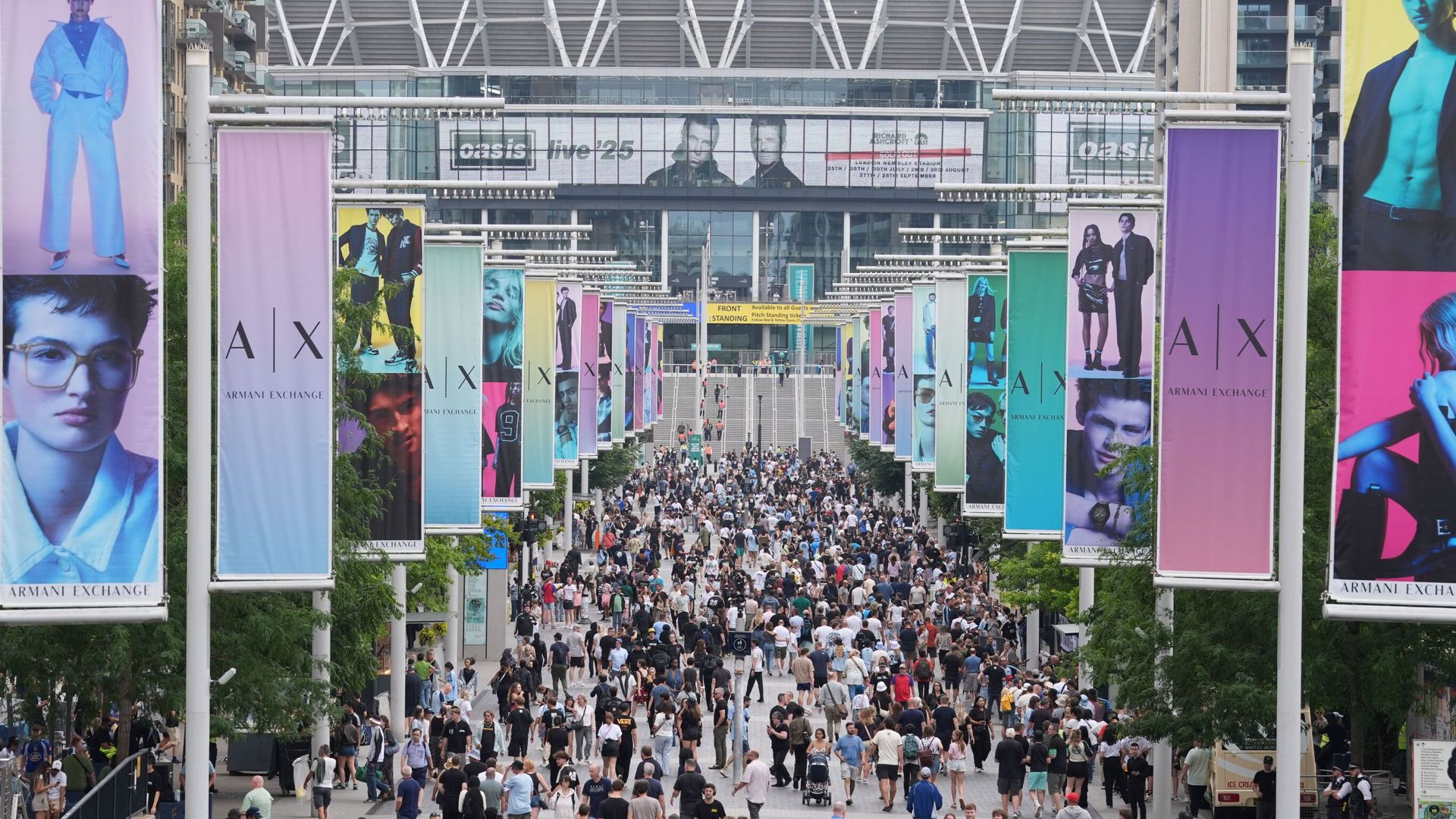
Fans across the UK have expressed growing frustration over concert ticket pricing, describing feelings of being “neglected and ripped off” amid ongoing debates about resale laws and market practices. The sentiment has intensified as ticket prices for major events continue to rise, prompting renewed calls for government intervention to protect consumers from inflated secondary market costs.
The issue gained significant attention following widespread reports of fans struggling to access affordable tickets for high-demand music gigs and concerts, with many turning to resale platforms only to face prices far above face value. Consumer advocacy groups and music industry observers have highlighted concerns about fairness and accessibility, particularly for younger audiences and working-class fans who feel excluded from live music experiences.
Recent developments show increasing pressure on policymakers to address ticket resale practices through legislative action. Officials have been urged to consider banning the resale of concert tickets above face value, a measure already implemented in several other countries with varying degrees of success. The debate centers on balancing artist and venue revenue with fan affordability in an increasingly digital ticketing landscape.
Understanding the Ticket Resale Controversy
The core of the current controversy lies in how ticket resale markets operate, particularly through authorized and unauthorized platforms that allow individuals to sell purchased tickets at market-driven prices. While proponents argue such systems provide flexibility for fans who can no longer attend events, critics contend they enable speculative buying and price gouging that undermines fair access.

In the UK, current regulations permit ticket resale above face value under certain conditions, though recent scrutiny has focused on whether these rules adequately protect consumers from exploitative practices. The government has acknowledged receiving “urgent calls” to review existing legislation, particularly regarding music gigs and concerts where demand consistently outstrips supply.
Consumer rights organizations have pointed to specific cases where tickets for major artists have appeared on resale sites within minutes of general sale, often at multiples of their original price. This rapid appearance has fueled suspicions of automated bot usage and coordinated bulk purchasing, though official investigations into such allegations remain limited in public disclosures.
Fan Perspectives and Real-World Impact
Interviews with music fans across different age groups and regions reveal a consistent narrative of disappointment and financial strain when attempting to purchase tickets for beloved artists. Many describe having to choose between essential expenses and attending live events, with some reporting they have stopped trying to buy tickets altogether due to perceived futility.
One recurring theme in fan testimonies is the emotional toll of missing out on culturally significant events, particularly when artists announce farewell tours or limited-run performances. The sense of being “neglected” stems not only from financial barriers but also from perceptions that ticketing systems prioritize profit over genuine fan engagement.
Industry analysts note that while dynamic pricing and premium packages have become common revenue strategies for venues and promoters, these approaches can inadvertently alienate core audiences when base ticket prices become unattainable. The tension between maximizing revenue and maintaining broad accessibility remains unresolved in current market models.
Government Response and Policy Considerations
Official responses to the growing controversy have included acknowledgments of public concern, though concrete legislative proposals have yet to emerge. Government representatives have stated they are “facing urgent calls” to examine ticket resale laws, particularly for music events, but have not committed to specific timelines for review or reform.

Policy experts suggest any potential ban on above-face-value resale would demand to consider enforcement mechanisms, platform liability, and potential unintended consequences such as driving transactions further underground or toward unregulated international sites. Comparative analysis from countries with stricter resale laws shows mixed results, with some reporting reduced speculation but others noting persistent challenges in enforcement.
The Department for Culture, Media and Sport has been identified as the likely lead agency for any future consultation on ticketing reform, though no official call for evidence or public consultation has been announced as of the latest available information. Stakeholders including artist representatives, venue operators, and consumer groups are expected to participate in any formal review process.
What Fans Can Do Now
While awaiting potential policy changes, consumer advocates recommend several practical steps for fans seeking to navigate the current ticketing landscape. These include purchasing only through official box offices or verified primary sellers, being cautious of prices that seem significantly inflated, and reporting suspected fraudulent activity to relevant authorities.
Fans are also encouraged to sign up for official artist newsletters and venue membership programs, which often provide early access opportunities or presale codes that can improve chances of securing tickets at face value. Some artists and promoters have experimented with paperless ticketing and identity verification systems to deter resale, though adoption varies widely across the industry.
Industry watchdogs advise monitoring official government channels for announcements regarding any future reviews of ticket sales legislation, particularly noting opportunities to submit evidence during public consultation periods should they occur.
Looking Ahead: Next Steps in the Debate
The immediate next step in addressing fan concerns about ticket pricing remains contingent on official government action, which has not yet been scheduled or confirmed. As of the latest verified information, no specific date has been set for a parliamentary debate, select committee inquiry, or official consultation on ticket resale laws.
Stakeholders on all sides of the issue continue to await signals from policymakers regarding whether and when legislative review will proceed. Until such announcements are made, the conversation remains largely driven by public advocacy, media coverage, and ongoing consumer experiences with ticket purchasing for live music events.
For readers seeking to stay informed about developments in this ongoing discussion, following official updates from the UK Parliament’s Culture, Media and Sport Committee and monitoring announcements from the Department for Culture, Media and Sport would provide the most direct insight into any future policy movements regarding ticket resale regulations.