As the summer heat intensifies across Europe, the simple joy of swimming has become a focal point for a growing public health initiative in Germany. With an increasing number of children and adults lacking essential water safety skills, innovative solutions are emerging to bridge the gap between public demand and the limited availability of traditional indoor pools. Among the most notable developments is the use of mobile swimming containers—a creative, modular approach designed to bring aquatic education directly to the communities that need it most.
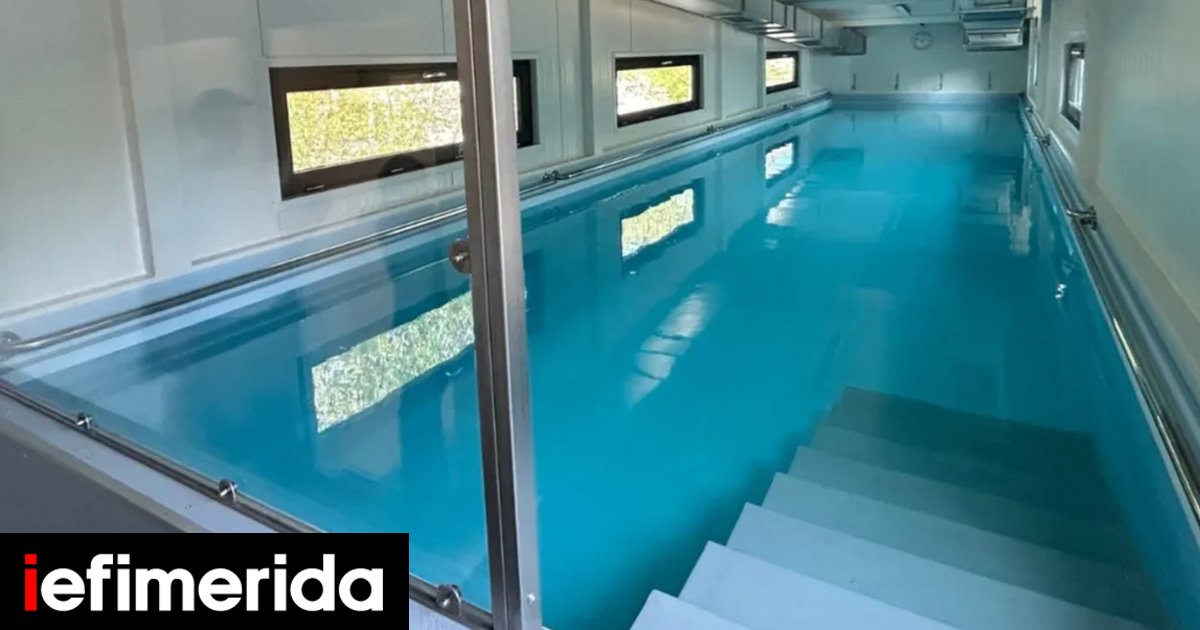
The concept of mobile swimming containers for water safety training is gaining traction as a practical response to a long-standing issue: the closure of municipal pools and a subsequent decline in basic swimming proficiency. These specialized, container-based pools offer a portable environment where instructors can conduct lessons in a controlled, safe setting. By transforming shipping containers into functional, heated training pools, organizations are effectively creating “pop-up” schools that can be deployed to schools and neighborhoods far from permanent aquatic facilities.
This initiative addresses a critical need in a country where water safety is considered a vital life skill. Recent data from the German Life Saving Association (DLRG) highlights that a significant portion of primary school children in Germany cannot swim safely, a trend that has been exacerbated by the limited availability of swimming instructors and pool maintenance challenges. According to the German Life Saving Association (DLRG), the ability to swim is a fundamental requirement for preventing drowning incidents and these mobile units serve as a tangible “lifeline” for regions experiencing a shortage of training venues.
Addressing the Swimming Proficiency Gap in Germany
The decline in swimming proficiency is not merely a matter of recreation; it is a serious public safety concern. Over the past decade, many local municipalities have faced budget constraints, leading to the permanent closure of aging indoor and outdoor swimming pools. When these facilities disappear, the opportunity for children to learn to swim during their formative years often vanishes with them. The mobile container model, often referred to in German as “Schwimmcontainer,” is designed to counteract this by providing a compact, year-round solution.
These containers are typically equipped with advanced filtration systems, heating units, and adjustable water currents, allowing instructors to tailor lessons to different skill levels. By placing these units directly on school grounds or in central town squares, the barrier to entry is lowered significantly. Parents no longer need to navigate complex transportation logistics to take their children to distant municipal pools, which is a major factor in improving participation rates for swimming lessons.
The effectiveness of this model relies on the integration of certified swimming instructors who follow standardized safety protocols. As reported by public broadcasters, these mobile units are increasingly being viewed as a permanent fixture in the landscape of German sports infrastructure, particularly as part of a broader strategy to ensure that every child leaves primary school with the ability to swim independently. The Federal Ministry of the Interior and Community continues to monitor sports development programs, though local implementation remains the primary driver for these container-based projects.
How Mobile Swimming Containers Work
At their core, these containers are engineering marvels designed for efficiency. A typical unit is constructed from a high-grade steel shipping container, reinforced and lined with waterproof materials to create a pool basin. Despite their small footprint, they provide enough space for small groups of children to practice strokes, floating techniques, and water entry safely. The water is constantly treated and heated to ensure that lessons can proceed regardless of the external weather conditions, making them ideal for the German climate.
Key features of these mobile training centers include:

- Controlled Environment: Unlike open lakes or rivers, the container offers a shallow, predictable depth, which is essential for building confidence in beginners.
- Accessibility: By moving the pool to the students, the program reaches underserved areas where the cost of building a full-sized municipal pool would be prohibitive.
- Sustainability: Many of these units utilize energy-efficient heat pumps and advanced water recycling systems, minimizing the environmental impact compared to massive public pools.
The success of these programs is often measured by the number of “swimming badges” earned—a traditional milestone in German aquatic education. By providing a consistent schedule of lessons, the containers help children reach these goals faster. Local authorities, such as the German Sport Youth (dsj), often support these initiatives by providing grants or organizational frameworks to help communities launch their local container projects.
The Future of Aquatic Education
As we look toward the future of sports and safety education, the “container solution” represents a shift toward more agile and community-centric infrastructure. While these units are not intended to replace professional-sized competition pools, they serve a vital role as an entry point for those who might otherwise never have the chance to learn the basics of swimming. The scalability of this model suggests that other nations facing similar challenges with pool infrastructure could eventually adopt similar strategies.

For parents and community leaders looking to implement such programs, the process usually begins with a feasibility study conducted by local government sports departments. These studies assess the demand for swimming lessons, the availability of space, and the financial resources required for long-term maintenance. As the trend continues to gain momentum, we can expect to see more partnerships between private engineering firms and local municipalities aimed at expanding these mobile aquatic resources.
Key Takeaways for Community Engagement
- Safety First: The primary goal of these mobile units is to reduce the incidence of drowning by ensuring universal access to swimming lessons.
- Modular Infrastructure: Shipping containers offer a cost-effective, space-saving alternative to traditional pool construction.
- Community Impact: By eliminating transportation barriers, these units significantly increase the number of children participating in water safety programs.
- Continuous Monitoring: Local authorities and health organizations continue to track the efficacy of these programs in improving overall swimming proficiency scores among youth.
The next phase for these projects involves the integration of more advanced digital tracking systems to monitor student progress, with updates expected from local sports boards in the coming months. As we track the rollout of these programs across various German states, innovation in public infrastructure is essential for maintaining high safety standards in the 21st century.
What are your thoughts on this modern approach to public safety? Could mobile swimming units be the answer for your local community? Share your views in the comments below, and stay tuned to World Today Journal for further updates on how technology is shaping our approach to essential life skills.