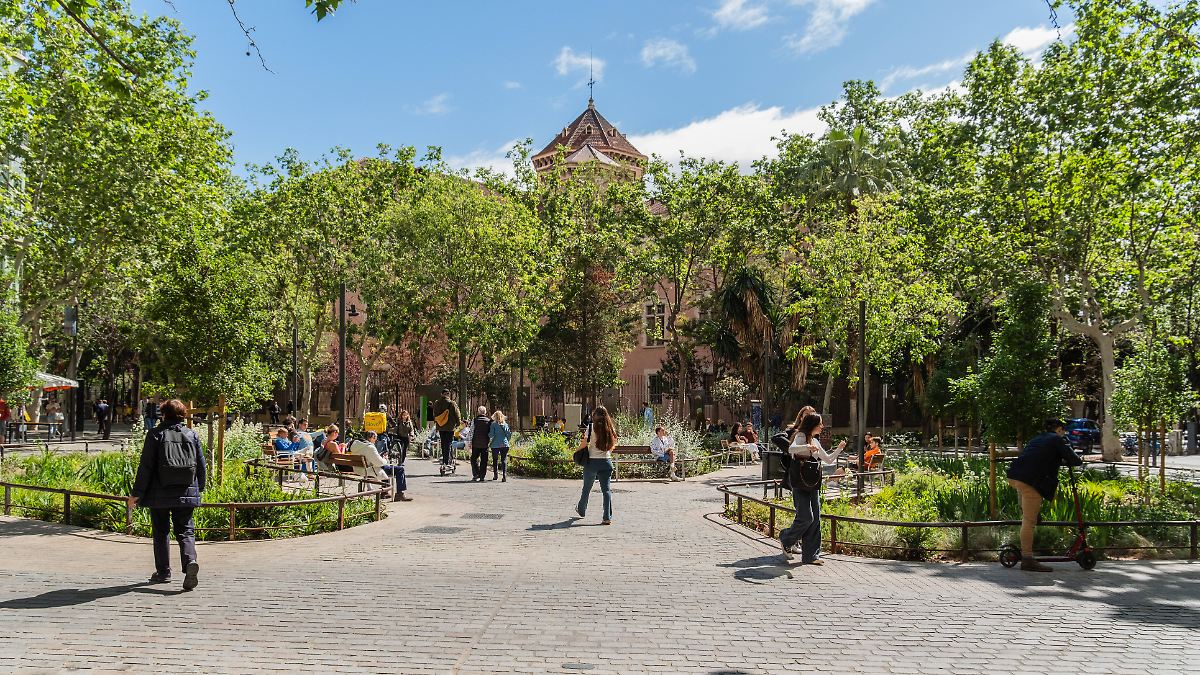
Urban centers across the globe are increasingly turning to innovative climate adaptation strategies, moving beyond traditional concrete planning to combat rising urban temperatures. According to environmental planning assessments by organizations like the United Nations Environment Programme, dense cities face intensified heat island effects that demand comprehensive structural interventions. Major metropolitan areas are implementing targeted design modifications, shifting away from car-centric asphalt layouts toward green infrastructure and reflective coatings to protect vulnerable urban populations.
Urban heat islands form when buildings, pavement, and other infrastructure absorb and re-emit solar radiation far more than natural landscapes. As global temperatures rise, local municipal authorities face mounting pressure to deploy scalable cooling technologies. These efforts focus heavily on reducing heat absorption at street level and expanding natural shade coverage to lower ambient air temperatures during peak summer months.
The transformation of modern streetscapes relies on a combination of advanced material science and ecological restoration. Cities are redesigning public rights-of-way to prioritize pedestrian mobility and sustainable drainage while cutting down on heat-trapping vehicular traffic. By integrating these multi-layered approaches, municipal planners aim to create resilient urban environments capable of withstanding extreme weather events.
Cool Pavements and High-Albedo Surfaces
In municipal heat mitigation strategies, modifying existing hard infrastructure plays a critical role. According to urban planning reports from agencies like the U.S. Environmental Protection Agency, traditional dark asphalt absorbs up to 95 percent of sunlight, converting it into thermal energy. To counter this, cities such as Los Angeles have implemented cool pavement programs, coating roadways with specialized light-gray solar-reflective treatments designed to lower surface temperatures significantly.
These high-albedo coatings reflect solar radiation rather than absorbing it. Field data compiled by municipal transportation departments indicate that treated surfaces can remain substantially cooler than standard asphalt under identical direct sunlight conditions. Lower surface temperatures subsequently reduce the transfer of heat into the lower atmosphere, providing immediate relief for nearby pedestrians and lowering interior cooling demands for adjacent buildings.
Beyond chemical coatings, civil engineers are experimenting with permeable and alternative paving materials that allow moisture to evaporate from the ground. This evaporative cooling effect further mitigates the microclimatic heat buildup common in densely built commercial and residential corridors. However, municipal officials note that implementation costs and durability under heavy commercial traffic remain key factors in scaling these materials citywide.
Expanding Urban Green Spaces and Tree Canopies
While reflective surfaces address heat absorption directly at the ground level, urban forestry provides comprehensive cooling through natural shade and evapotranspiration. Research published by the Food and Agriculture Organization highlights that mature street trees can reduce local air temperatures by several degrees Celsius depending on species density and canopy spread. Municipal authorities in cities globally have established ambitious tree-planting targets to bridge canopy deficits in lower-income neighborhoods.
Strategic greening initiatives also encompass pocket parks, vertical gardens, and bioswales that manage stormwater while cooling the surrounding air. These interventions transform sterile concrete environments into biologically active zones. By prioritizing vegetation over redundant parking lanes, city planners enhance biodiversity and improve overall air quality alongside thermal regulation.
Funding for these green infrastructure projects often relies on a mix of municipal budgets, national climate grants, and private-public partnerships. Urban planners emphasize that community involvement is essential for the long-term maintenance of newly planted trees and public gardens, ensuring that neighborhoods retain their cooling benefits as climate pressures intensify.
Reducing Vehicular Dominance for Sustainable Cooling
Reclaiming street space from private automobiles offers dual benefits for urban heat mitigation and carbon reduction. Transportation accounts for a significant share of urban greenhouse gas emissions and waste heat generation. According to data from the European Environment Agency, prioritizing public transit, cycling networks, and pedestrian zones directly decreases the concentration of combustion engines operating in confined street canyons.
Narrower roadways leave less room for heat-retaining asphalt and more space for permeable surfaces and linear parks. Cities implementing traffic-calming measures and low-emission zones report improvements in both thermal comfort and public health outcomes. Removing cars from designated corridors allows municipalities to redesign street geometries to maximize wind flow and natural ventilation.
As cities prepare for future climate extremes, the integration of reflective materials, expanded tree canopies, and reduced car dependency forms a cohesive framework for modern urban resilience. Municipalities continue to monitor the long-term efficacy of these projects through localized climate sensors, sharing data to refine future zoning laws and infrastructure investments. Residents seeking local updates on urban greening projects can consult municipal planning department portals for upcoming public hearings and environmental review documents.
Related reading