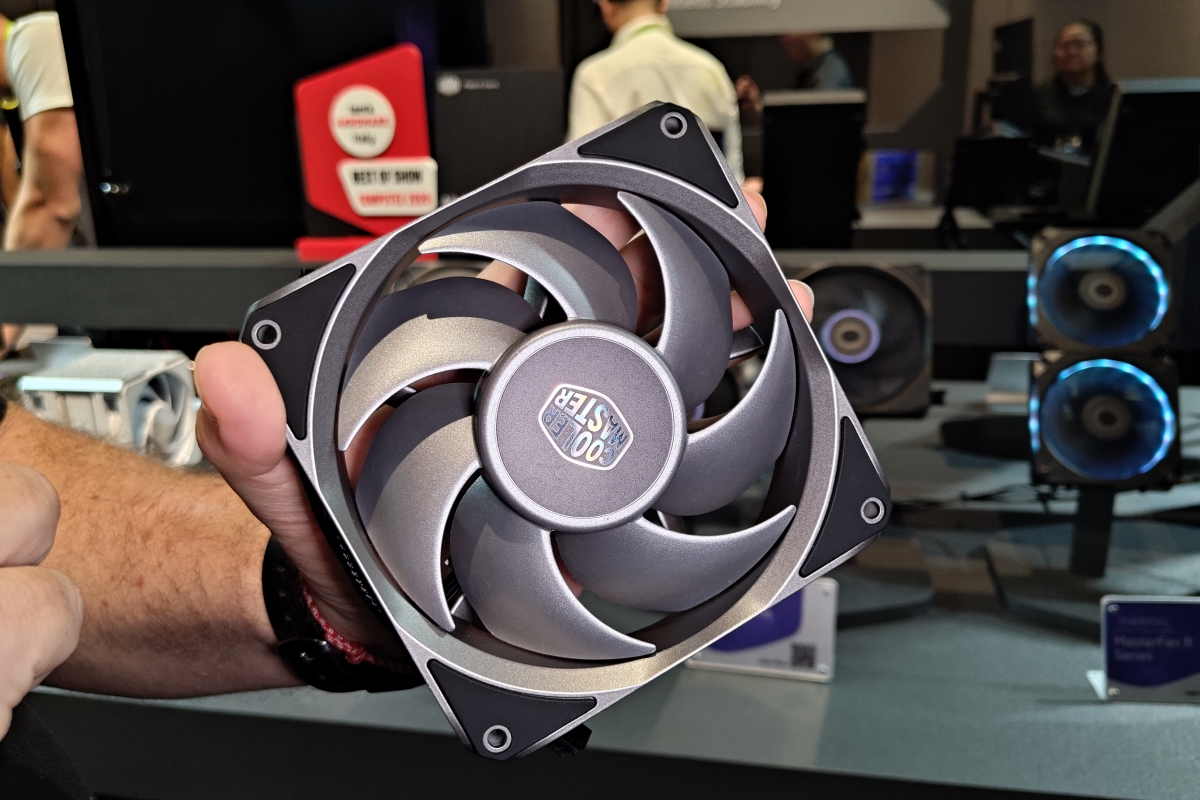
In the rapidly evolving landscape of high-performance computing, thermal management remains the primary hurdle for engineers pushing the boundaries of hardware output. As processors and graphics cards reach new peaks in power consumption, the demand for innovative cooling solutions has never been higher. Cooler Master, a long-standing player in the PC hardware sector, has recently drawn attention with new developments aimed at redefining how we approach heat dissipation in modern desktop systems.
The pursuit of efficient PC thermal management is not merely about noise reduction; it is a critical component in maintaining system stability and longevity. As components like GPUs and CPUs generate increasing amounts of waste heat, the industry is seeing a shift toward materials that offer superior thermal conductivity and structural integrity. Aluminum, long a staple in heatsink construction, is now being explored in more comprehensive designs to maximize airflow and pressure efficiency.
For enthusiasts and system builders, understanding these advancements is essential for planning future builds. Whether you are looking to optimize a compact mATX chassis or push a high-end GPU to its limits, the integration of specialized cooling hardware plays a decisive role in overall performance. Below, we examine the current trajectory of these cooling technologies and what they mean for the future of PC building.
Pushing the Limits of Airflow and Pressure
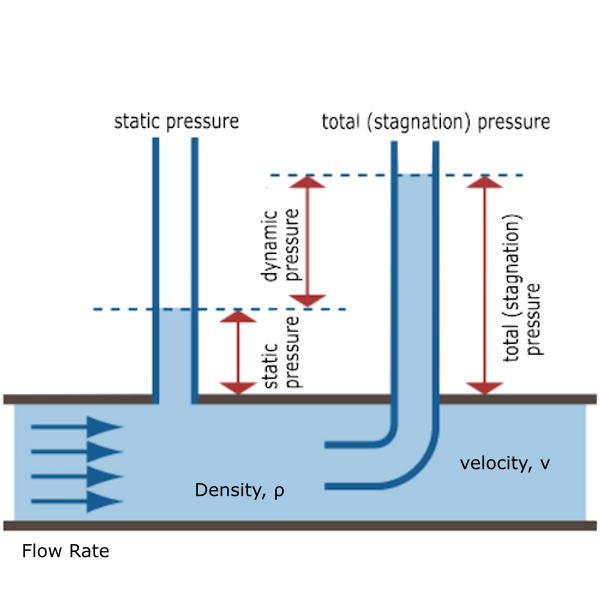
The core challenge in air-based cooling lies in the delicate balance between airflow volume—measured in cubic feet per minute (CFM)—and static pressure, which determines how effectively air can be pushed through restrictive components like dense radiator fins or tightly packed heatsinks. Modern engineering efforts are focused on refining fan blade geometry and material composition to achieve higher thresholds in both categories.
Recent industry trends have highlighted a push toward specialized fans designed specifically for high-resistance environments. By utilizing rigid materials, manufacturers aim to reduce blade flex at high revolutions per minute (RPM), thereby maintaining a consistent airflow even under significant load. This focus on mechanical efficiency is a direct response to the increasing thermal density of modern silicon, which requires consistent, high-pressure cooling to prevent thermal throttling.
The Evolution of Chassis and Component Cooling
Beyond individual components, the design of the PC case itself has become a focal point for thermal optimization. The introduction of versatile, high-airflow chassis designs—such as those designed for mATX form factors—reflects a move toward making advanced cooling more accessible to a broader range of users. These cases often prioritize internal layout flexibility, allowing for larger GPUs and more robust liquid or air cooling configurations without sacrificing space.

The integration of universal cooling solutions, such as blower-style fans for GPUs, further illustrates the industry’s attempt to provide targeted cooling where it is needed most. By directing airflow directly across the surface of a graphics card, these solutions can help lower operating temperatures, potentially improving sustained performance during intensive tasks like 3D rendering or gaming.
Key Considerations for Modern Thermal Management
- Material Selection: The use of high-grade aluminum and other conductive materials is critical for efficient heat transfer from the silicon to the cooling medium.
- Form Factor Versatility: Modern cooling hardware is increasingly designed to be compatible with a wider variety of case sizes, including compact mATX and ITX builds.
- Static Pressure vs. Airflow: Builders should prioritize fans with high static pressure ratings when using liquid cooling radiators or dense heatsinks.
- System Integration: Effective cooling is a holistic effort; ensuring balanced intake and exhaust airflow is as important as the individual performance of a single fan.
Looking Ahead: The Next Phase of PC Cooling
As we look toward the remainder of 2026, the focus in the PC hardware sector remains squarely on efficiency. With major trade events like Computex providing a stage for the latest innovations, the industry continues to iterate on designs that offer better performance-per-watt and improved thermal headroom. For the average user, So that high-performance cooling is becoming more reliable, quieter, and easier to install than ever before.

The next major milestones in thermal technology will likely involve further refinements in smart fan control and the continued integration of advanced materials to combat the heat generated by next-generation processors. We will continue to track these developments as new product specifications are officially confirmed and released to the market.
Have you upgraded your cooling setup recently, or are you planning a new build for the coming months? Share your thoughts and experiences in the comments section below, and stay tuned to World Today Journal for the latest updates on consumer electronics and PC hardware trends.