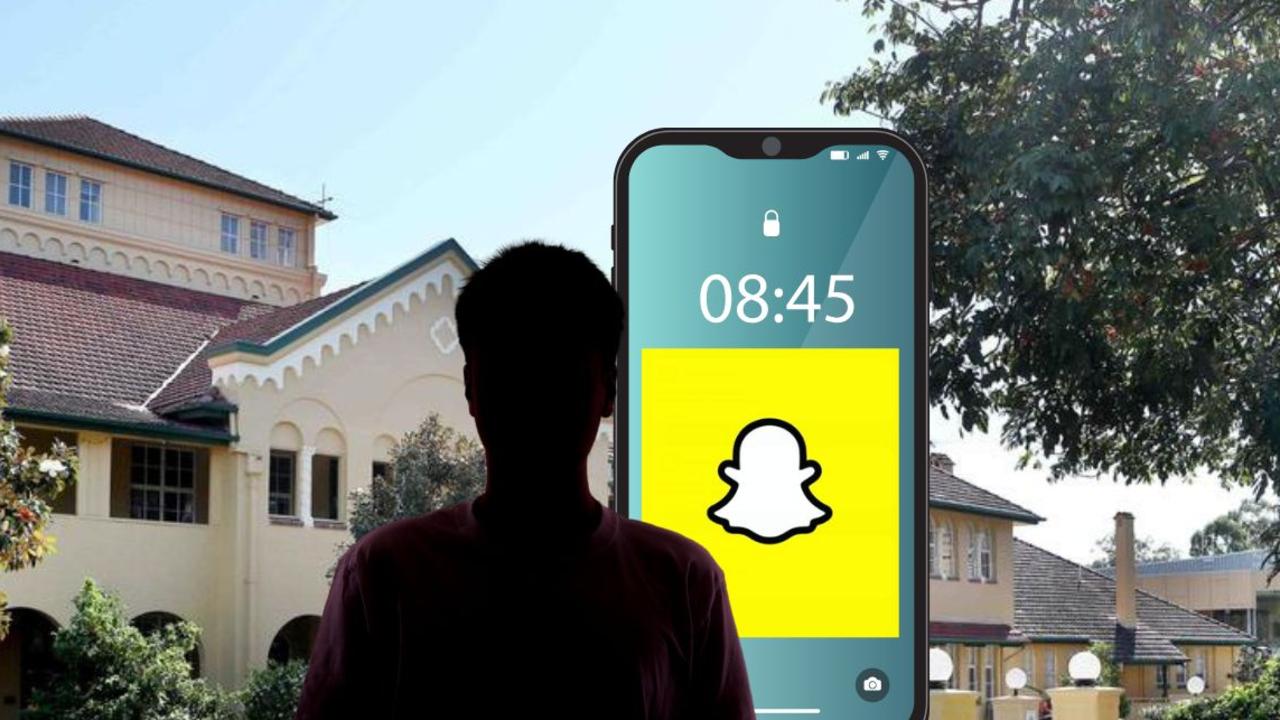
The intersection of law enforcement, digital privacy, and the safety of minors has once again come under intense scrutiny following a disturbing case involving a newly hired police officer. When individuals in positions of public trust leverage encrypted communication platforms to bypass professional boundaries, the consequences are not only legal but deeply damaging to the community’s sense of security. As a technology editor, I often look at how digital tools—designed for connectivity—can be weaponized in ways that necessitate a reevaluation of institutional vetting and digital literacy.
The incident, which gained significant public attention through various media channels, centers on allegations of inappropriate communication between a law enforcement official and high school students. This case highlights the critical need for robust digital oversight within public institutions, particularly when those in authority interact with vulnerable populations. To understand the gravity of the situation, we must look at how digital footprints are monitored and the legal mechanisms that trigger immediate intervention by oversight agencies.
In recent years, the use of ephemeral messaging apps like Snapchat has complicated investigations into professional misconduct. Because these messages are designed to disappear, identifying a pattern of behavior often requires forensic digital analysis, a process that can delay the discovery of illicit activities. For those interested in the broader implications of digital safety, it is essential to stay informed on federal guidelines regarding child exploitation and digital crime, which provide the framework for how such cases are prosecuted at the state and national levels.
The Challenges of Digital Vetting in Law Enforcement
The vetting process for law enforcement officers is designed to be exhaustive, involving background checks, psychological evaluations, and social media reviews. However, as digital communication evolves, the ability of departments to detect “red flags” before an individual is sworn in remains a work in progress. In instances where an officer is accused of misconduct on their first day, it raises urgent questions regarding the efficacy of pre-employment screening.
According to the International Association of Chiefs of Police (IACP), the implementation of rigorous social media policies is a growing priority for departments worldwide. These policies are intended to create a clear boundary between an officer’s personal digital life and their professional responsibilities. When these boundaries are crossed, especially involving minors, the breach is considered a severe violation of the public trust, often leading to immediate termination and subsequent criminal charges.
The legal framework governing these arrests often falls under state-specific statutes concerning the solicitation of minors or “grooming” behaviors. For example, in many jurisdictions, communication that suggests sexual intent or inappropriate conduct with a minor can lead to felony charges regardless of whether a physical meeting occurred. These laws are frequently updated to account for the nuances of modern digital communication, ensuring that the law stays relevant in an era of ubiquitous smartphone usage.
Protecting Minors in a Digital-First World
Beyond the legal proceedings, this case serves as a sober reminder of the importance of digital literacy for both students, and parents. Platforms that offer end-to-end encryption or disappearing messages are often marketed as “private,” but they can also provide a shield for those who intend to exploit others. Education remains our most effective tool for prevention.
Parents and educators are encouraged to utilize resources provided by organizations such as the National Center for Missing & Exploited Children (NCMEC), which offers comprehensive guides on how to talk to teenagers about online safety. Understanding the “signs of grooming”—which often start with seemingly harmless questions or the building of a false sense of trust—is essential for parents who want to help their children navigate these platforms safely.
Key takeaways for digital safety include:
- Privacy Settings: Always ensure that minors have their social media profiles set to “private,” limiting interactions only to people they know in real life.
- Platform Awareness: Understand how ephemeral messaging apps function and why they are often favored by terrible actors.
- Open Communication: Encourage children to report any adult who makes them feel uncomfortable, regardless of the adult’s profession or status.
- Reporting Mechanisms: Familiarize yourself with how to report suspicious activity directly to the platform and to local law enforcement.
The Path Toward Accountability
As legal proceedings continue, the focus shifts to the judicial process. In cases involving law enforcement, the investigation is often handled by an external agency or a specialized internal affairs division to ensure impartiality. This is a standard procedure intended to maintain the integrity of the justice system. The public can typically follow these cases through official court dockets or press releases issued by the prosecutor’s office handling the litigation.

Accountability in these situations is not just about the individual officer; it is about the systems that allow such individuals to enter the force. As we look ahead, the industry is seeing a push for more transparent hiring practices and continuous monitoring of digital behaviors, even after an officer has been hired. This shift toward “continuous vetting” is likely to become a standard in the coming years as departments seek to restore and maintain public confidence.
For those following this case, the next steps will involve formal court hearings and the presentation of evidence by the prosecution. As with all legal matters, it is vital to rely on official updates from the relevant district attorney’s office or the court clerk. We will continue to monitor the situation for verified updates and provide analysis on how these events shape the evolving landscape of digital policing and institutional accountability.
If you have information regarding this case or wish to share your thoughts on the intersection of technology and public safety, I encourage you to join the conversation below. Your perspectives help us keep a pulse on the issues that matter most in our global digital community.
Keep reading
- 산다라박 “2NE1 5년 연애 금지, 비대면 연애만 해서 안 걸렸다” (‘입만 열면’) [순간포착]
- France Blocks Access to Polymarket: Gambling Authority Orders ISP Restrictions
- Missouri Attorney General Faces Conflict of Interest Amid Prosecutor’s Secret Affairs (archynewsy.com)
- Charles Holds Secret Meeting with Harry and Family at Highgrove (time.news)