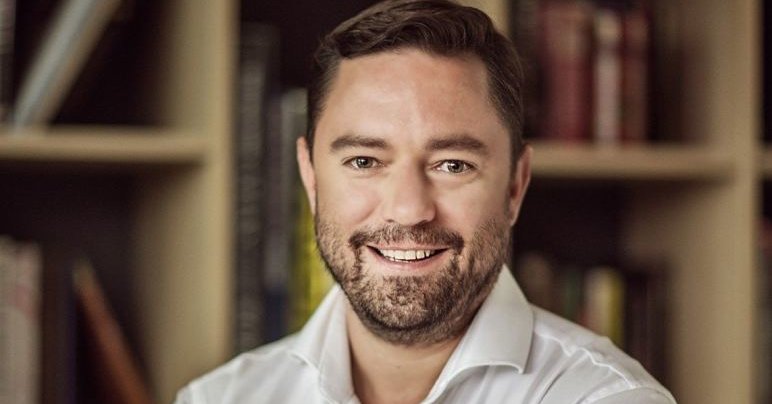
In a candid display of modern parental advocacy, Lithuanian businessman Liudvikas Andriulis has turned to social media to highlight the professional aspirations of his son, Aleksas. The public appeal, shared on Saturday, May 30, 2026, details the younger Andriulis’s search for a summer internship following the successful completion of his inaugural year of university studies.
The situation underscores a common hurdle for many undergraduates: the “experience gap” that often prevents first-year students from securing formal, structured internships. By leveraging his professional network, the elder Andriulis aims to connect his son with practical opportunities across various sectors, including law, finance, public administration, and the private business sphere.
Academic Background and Skill Set
Aleksas Andriulis has recently concluded his first year at Sciences Po, where he is studying Politics, Philosophy, Law, and Economics. This interdisciplinary program, frequently associated with the education of France’s political elite, provides a rigorous foundation in both theoretical and applied social sciences. According to his father’s public statement, the student has developed a strong proficiency in higher mathematics, quantitative methods, and economic theory.
Beyond his academic curriculum, the younger Andriulis has sought to distinguish himself through extracurricular engagement. His father noted his participation in the World Individual Debating and Public Speaking Championships (WIDPSC), where he represented Lithuania on two occasions. Such competitions are widely recognized for fostering advanced critical thinking, persuasive argumentation, and public speaking abilities—skills that are increasingly prioritized in professional environments.
Building a Foundation Through Practical Work
The appeal for an internship is not rooted solely in academic achievement but also in a desire to build upon prior professional exposure. During the summer of 2025, Aleksas worked as a waiter at Hotel PACAI in Vilnius. His father highlighted this experience as a formative period, noting that it provided the young student with valuable lessons in service and work ethic.

This “hands-on” approach is often cited by career advisors as a critical differentiator for students entering the competitive internship market. By acknowledging the challenges of securing placements for first-year students, the request emphasizes that the goal is not merely to secure a position, but to find an environment where the student can contribute meaningfully to ongoing projects while gaining industry-specific insights.
Navigating the Internship Market
For students and families navigating the transition from secondary to higher education, the search for summer placements often requires a blend of formal application processes and personal networking. The current professional landscape in Lithuania, as in many European nations, remains highly competitive for undergraduate internships, particularly within the public sector and top-tier financial institutions.
The request specifically notes that the student is open to both unpaid and paid opportunities, provided they offer a clear pathway for professional development. This flexibility is often necessary for undergraduates who are in the early stages of building a professional portfolio. As the academic year draws to a close, the focus for many students shifts toward bridging the gap between classroom theory and the realities of the workplace.
What Comes Next
As of May 31, 2026, there have been no further updates regarding specific internship placements for Aleksas Andriulis. The search for a 2.5-month summer position remains ongoing as he looks to apply his skills in a professional setting. Such public appeals serve as a reminder of the evolving role of social media in career development, where personal networks are increasingly used to bypass traditional barriers to entry for young professionals.

For those interested in following this story or providing similar career opportunities to students, professional networking platforms and direct institutional outreach remain the primary channels for engagement. We invite our readers to share their thoughts on the challenges facing today’s undergraduates in the comment section below.