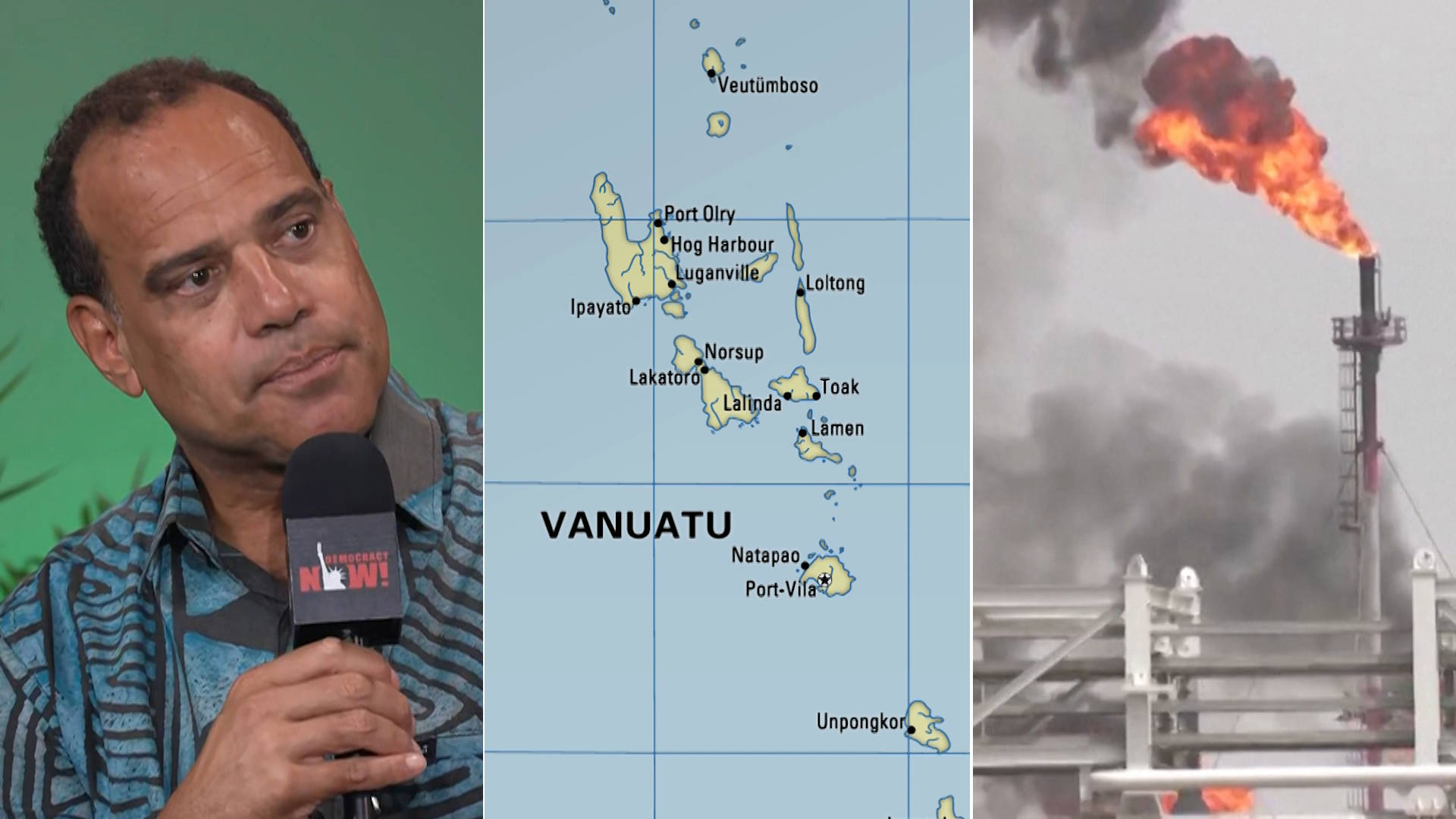
Climate talks Face Roadblocks as Vanuatu Champions Binding Action & Legal Precedents Emerge
The latest round of climate negotiations are facing familiar hurdles, with concerns mounting over watered-down language, the influence of fossil fuel interests, and the effectiveness of international processes. As the G20 prepares to convene in South Africa,and despite calls from leaders like Brazil’s President Lula for a transition away from fossil fuels,the core issue remains: how to translate ambition into concrete,enforceable action.
this analysis delves into the key takeaways from recent discussions, focusing on the perspectives of nations on the front lines of climate change, like Vanuatu, and the emerging legal frameworks that could reshape the global response.
The Frustration with Consensus: A Flawed Process?
Vanuatu’s Climate minister, Ralph Regenvanu, recently articulated a growing frustration shared by many vulnerable nations: the consensus-based nature of the UNFCCC (United Nations Framework convention on Climate Change) process is actively hindering progress. “We have a large number of countries who already know that we have to transition away from fossil fuels,” regenvanu explained in a recent interview,”but we have a certain number of countries who are vested in the fossil fuel pipeline… blocking progress for the entire humanity.”
This isn’t simply a disagreement over timelines; it’s a fundamental conflict of interest. While the scientific consensus, as outlined by the IPCC (Intergovernmental Panel on Climate Change), demands urgent and drastic emissions reductions to stay within the 1.5-degree Celsius warming limit, powerful political and economic forces are prioritizing short-term profits over long-term planetary health. The deliberate omission of the term “fossil fuels” from key agreements, a point highlighted by Kumi Naidoo, underscores this troubling dynamic.
Trade as a Lever for Climate Action
A potentially meaningful development emerging from the negotiations is the inclusion of trade discussions within the next three COP climate summits. Regenvanu emphasizes the importance of this, stating, ”It’s one of the actual mechanisms that countries can hold against other countries to make them take climate action.”
Currently,climate action relies heavily on voluntary commitments. The introduction of trade-related measures – such as the EU potentially refusing to accept products from countries with high emissions levels – introduces a crucial element of accountability. This “stick,” as Regenvanu calls it, could prove vital in compelling nations to meet their climate pledges. It represents a shift towards a more robust and enforceable system, moving beyond aspirational goals.
The ICJ Ruling: A Landmark Moment for Climate Justice
Perhaps the most groundbreaking development this summer came from the International Court of Justice (ICJ). Their advisory opinion delivered a powerful message: states have a legal obligation to protect the climate system. This isn’t simply an environmental concern; it’s a matter of international law and human rights.
The ICJ ruling has far-reaching implications:
* Duty to Transition: States are legally bound to transition away from fossil fuels.
* Corporate Accountability: Governments must regulate the activities of private actors - specifically,fossil fuel companies – within their jurisdiction that contribute to greenhouse gas emissions.
* Universality of Obligation: These obligations extend beyond the UNFCCC process, drawing on the entire body of international law, including the foundational principles of the United Nations.
As Regenvanu powerfully stated, this ruling underscores that international cooperation and the protection of fundamental human rights are inextricably linked to climate action. It provides a legal basis for challenging inaction and holding states accountable for their contributions to the climate crisis.
Are International Gatherings Still Worth It?
Despite the frustrations and roadblocks, the question remains: are these international gatherings – the COPs, the G20 – still worthwhile? While the process is demonstrably flawed, abandoning the table isn’t an option. These forums, though imperfect, remain crucial spaces for:
* Advocacy: Vulnerable nations like Vanuatu can continue to raise awareness and pressure major emitters.
* Building Alliances: Strengthening coalitions with like-minded countries and civil society groups.
* Legal Momentum: Leveraging legal precedents, like the ICJ ruling, to push for stronger commitments.
* Shifting the Narrative: Highlighting the human cost of climate change and the urgent need for systemic change.
The path forward is undoubtedly challenging. But with the emergence of binding mechanisms like trade measures and the legal clarity provided by the ICJ, there is a growing sense that the tide may be turning.The fight for climate justice is intensifying,
Worth a look