
Chile is significantly expanding its public transportation network with the addition of 600 new electric buses imported from China. These vehicles have recently arrived at the Port of San Antonio, marking a major milestone in the country’s ongoing efforts to modernize its urban transit systems and reduce carbon emissions across various regions.
The arrival of these 600 units represents a substantial investment in sustainable infrastructure. According to official communications from the Chilean government, the fleet is being deployed to enhance connectivity in multiple areas, including Copiapó, Coquimbo, and La Serena. This rollout is part of a broader national strategy to transition toward cleaner, more efficient public transit, following successful pilot programs in the capital and other major urban centers.
Expanding Electric Transit Across Chilean Regions
The modernization of the transport sector is not limited to the largest metropolitan areas. By integrating these high-capacity electric buses into regional systems, the Chilean government aims to provide consistent, modern service to residents outside of Santiago. This initiative is designed to replace aging, diesel-reliant vehicles with technology that offers lower operational costs and reduced noise pollution in densely populated districts.
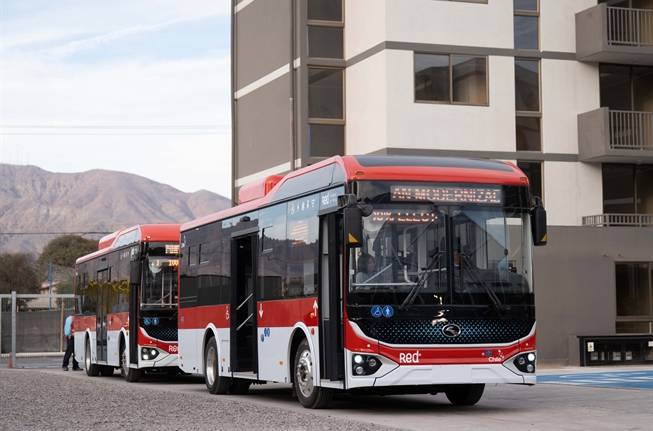
The deployment process involves coordination between national transport authorities and local municipalities. In cities like Copiapó, the shift toward a 100% electric bus fleet has been a focal point for regional planners, as the geography and urban layout of the city allow for a controlled, efficient implementation of electric charging infrastructure and dedicated transit routes. The arrival of these buses aligns with national goals to achieve carbon neutrality in public transportation by the coming decade.
Infrastructure and Operational Requirements
Transitioning to an all-electric fleet requires more than just the purchase of vehicles. It necessitates the construction of specialized charging depots and the upgrading of the local electrical grid to handle the increased demand. The Chilean Ministry of Transport and Telecommunications has been tasked with overseeing the installation of these facilities to ensure the new fleet remains operational during peak service hours.
Each unit is equipped with modern passenger amenities, including air conditioning, low-floor access for improved accessibility, and digital information systems. These features are intended to improve the overall user experience, encouraging higher ridership and reducing reliance on private vehicles. The scale of this operation—600 buses—positions Chile as one of the most prominent adopters of electric mobility in Latin America.
What Happens Next
As the buses are distributed from the Port of San Antonio to their respective regions, local authorities are conducting final safety inspections and driver training sessions. Residents in Copiapó, Coquimbo, and La Serena can expect to see the new units integrated into regular service schedules throughout the latter half of 2025 and into 2026. The government plans to release updated transit maps and route schedules through official regional transport portals as each phase of the rollout is completed.
For ongoing updates regarding the service launch dates and specific route changes, citizens are encouraged to consult the official website of the Chilean Ministry of Transport and Telecommunications. We will continue to track the progress of this infrastructure project as it reaches full operational capacity in the coming months. If you have questions about how these changes affect your local transit, feel free to join the discussion in the comments section below.
Keep reading