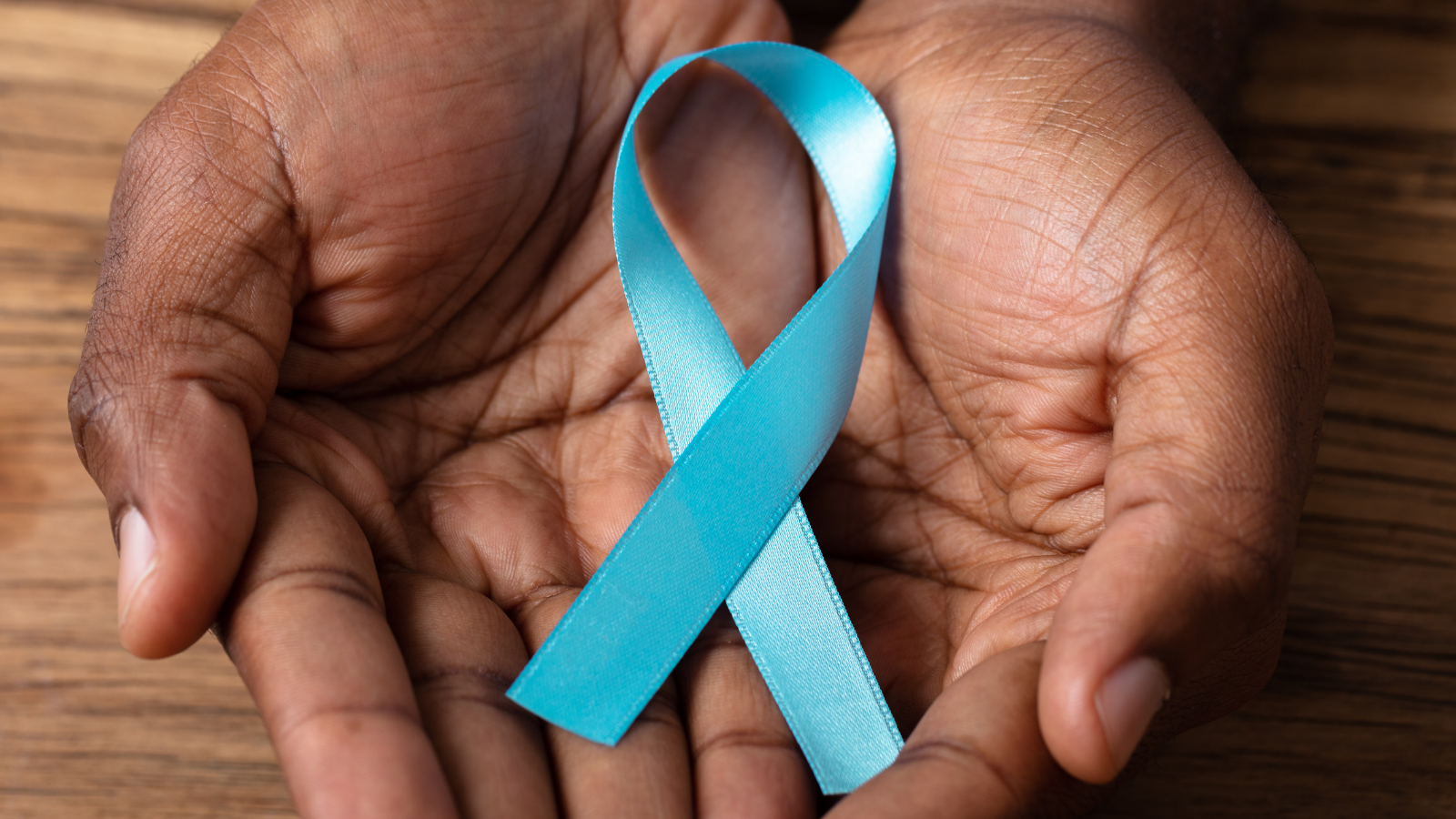
Coping with a cervical cancer diagnosis involves addressing both the physical realities of treatment and the profound sense of isolation that often accompanies the disease. Patients frequently find that friends and family, despite their best intentions, may struggle to understand the specific complexities of cervical cancer. According to the National Cervical Cancer Coalition (NCCC), connecting with others who have navigated similar paths—whether as survivors or caregivers—is a critical component of the recovery process.
A cervical cancer diagnosis often acts as a catalyst for life changes, forcing patients to become their own primary health advocates. Understanding the disease, including the role of the Human Papillomavirus (HPV) and the necessity of regular screening, is essential for long-term health. While clinical treatments focus on eradicating malignancy, the psychological burden of the diagnosis requires a different kind of support, often found in community-based advocacy groups and survivor networks.
Understanding the Role of Patient Advocacy
For many patients, the journey begins with navigating a healthcare system that may not always provide immediate answers. Aisha McClellan has documented her experience on digital platforms, noting that her own diagnosis required multiple clinical visits before the cancer was identified. Her experience underscores a vital lesson: the importance of self-advocacy. When symptoms persist, patients are encouraged to seek second opinions or request further diagnostic testing if they feel their concerns are not being addressed by primary care providers.
The NCCC facilitates a series of survivor stories that highlight how individuals have translated their personal struggles into public advocacy. These narratives serve as a resource for newly diagnosed patients, offering insights into the diverse ways people manage treatment side effects and the emotional transition into survivorship. By sharing these experiences, survivors help demystify the treatment process and provide practical advice on how to communicate needs to both medical teams and personal support systems.
The Importance of HPV Awareness and Prevention
Cervical cancer is caused by persistent infection with high-risk types of HPV. Regular screening through Pap tests or HPV testing remains a method for early detection and prevention. Despite the availability of vaccines and screening, many patients report a lack of awareness regarding the link between HPV and cervical health prior to their diagnosis.
Survivors like Cherlya Thompson have turned their experiences into educational efforts, emphasizing the necessity of the HPV vaccine. Pediatricians and family doctors play a crucial role in this process, and patients are often encouraged to engage in proactive discussions about vaccination schedules with their healthcare providers. For those currently undergoing treatment, understanding the biological factors behind their diagnosis can sometimes provide a sense of agency, moving the focus from the trauma of the disease to the science of prevention and recovery.
Navigating Treatment and Survivorship
Treatment plans for cervical cancer are highly individualized. The long-term side effects of these treatments can be significant, requiring ongoing monitoring and physical or emotional therapy. For survivors like Selena Rushton, who has navigated eight years of survivorship following a recurrence, the process of recovery is often non-linear.
Patients are frequently encouraged to look toward resources such as ClinicalTrials.gov to stay informed about the latest research and potential treatment options. Engaging with these resources can help patients feel more connected to the broader medical community. Furthermore, the psychological impact of survivorship is a common theme among those who have completed their initial treatment protocols. Finding a community that acknowledges both the challenges and the milestones of this journey is frequently cited as a key factor in maintaining mental well-being.
Practical Resources for Patients and Families
Support for cervical cancer patients extends beyond the clinical setting. The NCCC provides various digital resources, including podcast series that feature interviews with both patients and healthcare providers. These platforms allow individuals to learn about managing treatment complications and the importance of clinical trial participation at their own pace. For family members and friends, the primary role is often one of active listening and providing practical assistance, such as helping with transportation to appointments or managing daily household responsibilities during intensive treatment cycles.
As medical research continues to evolve, the landscape of cervical cancer care is expected to shift. Patients are advised to keep in close contact with their oncology teams to receive the most current information regarding their specific prognosis. Readers are encouraged to share their own experiences or questions in the comments section below to foster a broader conversation on support and advocacy.
Related reading