
Seoul High Court to Rule on Former Prosecutor Kim Sang-min’s Disciplinary Appeal
The Seoul High Court is scheduled to deliver a verdict today in the second trial of former prosecutor Kim Sang-min, who is seeking to overturn disciplinary sanctions imposed following allegations that he signaled his intent to run for the National Assembly while still in active service. The ruling will determine whether the disciplinary actions taken against Kim for his perceived political ambitions violated legal standards or adhered to the strict neutrality requirements mandated for South Korean prosecutors.
The legal battle centers on a controversy that emerged during Kim’s tenure, involving claims that his public or private communications suggested a move toward political candidacy during a general election cycle. Under current South Korean regulations, prosecutors are held to rigorous standards of political non-partisanship to ensure the impartial administration of justice. The court’s decision today will clarify the legal boundaries between a prosecutor’s personal political interests and their professional obligations to the state.
The Origins of the Disciplinary Action
The lawsuit follows an initial disciplinary decision made by the prosecution service, which penalized Kim for “hinting at running for office” while serving as a prosecutor. According to legal proceedings, the prosecution argued that such actions compromised the perceived neutrality of the office and could influence public trust in the legal system. The core of the dispute rests on whether Kim’s conduct constituted a formal political move or if it fell within the realm of protected personal expression.

Kim has challenged these measures, arguing that the disciplinary actions were excessive or lacked a sufficient legal basis. In his appeal, the former prosecutor has sought the cancellation of the sanctions, maintaining that his conduct did not violate the specific statutes governing the behavior of judicial officers. The high court’s ruling will assess whether the original disciplinary body exercised appropriate discretion or if the punishment exceeded the scope of the alleged violation.
Legal Standards for Prosecutor Neutrality in South Korea
The case highlights the ongoing tension regarding the political involvement of high-ranking legal officials in South Korea. The Prosecutors’ Office Act and internal disciplinary codes mandate that prosecutors maintain strict political neutrality to prevent the appearance of partisan influence in criminal investigations and prosecutions. This standard is designed to insulate the judiciary from the shifts of political power and to ensure that legal processes remain independent of electoral interests.
Legal experts note that cases involving “intent to run” are particularly complex. Determining whether a statement or action constitutes a “hint” of candidacy requires the court to analyze context, timing, and the potential impact on the official’s ability to perform their duties. If the court finds that Kim’s actions crossed the line into active political signaling, it will likely uphold the disciplinary measures. Conversely, a ruling in favor of Kim could set a precedent for how “political intent” is measured for public officials in the future.
The outcome of this second trial is expected to have implications beyond Kim’s individual career. It may influence how the Ministry of Justice and the Prosecution Service monitor the political activities of their members and how they define the threshold for disciplinary intervention in matters of political expression.
Potential Outcomes and Legal Implications
The Seoul High Court has several paths for its ruling today. If the court upholds the lower court’s decision, the disciplinary record against Kim will stand, reinforcing the prosecution’s strict interpretation of neutrality. If the court rules in favor of Kim, it would effectively cancel the disciplinary action, suggesting that the prosecution’s original assessment of his conduct was legally flawed or insufficiently proven.
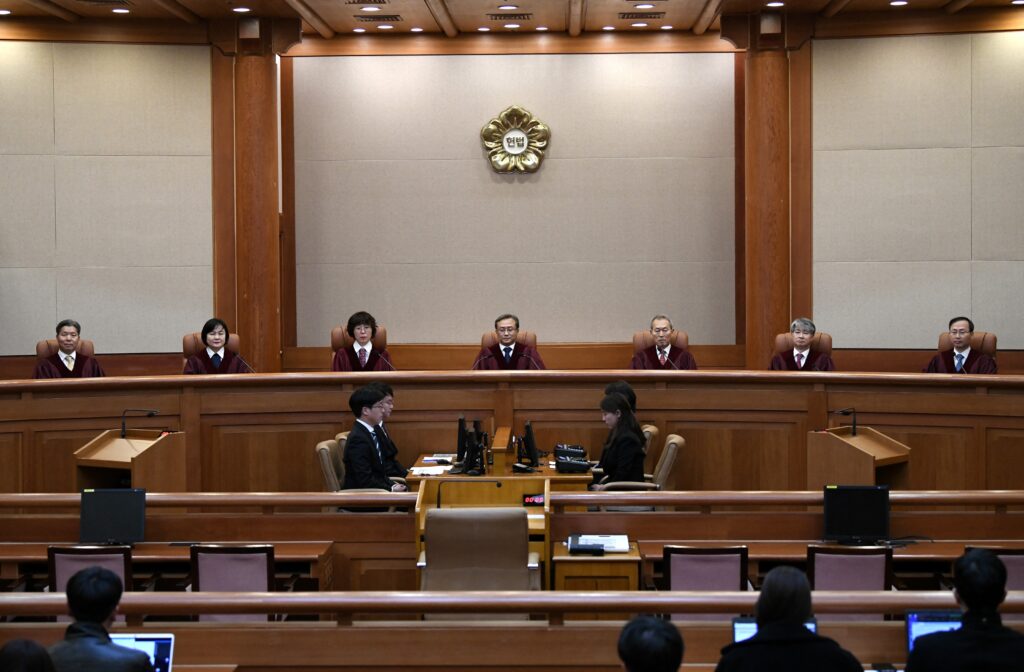
Key factors the court is expected to weigh include:
- The specific nature and timing of the statements made by Kim during his tenure.
- Whether the conduct directly interfered with the impartial execution of prosecutorial duties.
- The proportionality of the disciplinary measures compared to the severity of the alleged violation.
- Adherence to established judicial precedents regarding the political activities of public servants.
Observers are closely watching the decision to see how the judiciary balances the constitutional rights of individuals with the institutional necessity of maintaining a non-partisan prosecution service.
The next scheduled update regarding this case will be the official release of the Seoul High Court’s written judgment following today’s oral ruling. We will provide further details as court documents become available.
What are your thoughts on the balance between a public official’s political rights and their professional neutrality? Let us know in the comments below and share this article with your network.