Clashes broke out in Nanyuki, Kenya, on Tuesday as demonstrators protested the establishment of a proposed United States-linked medical facility at a local airbase. The mobilization, which took place approximately 200 kilometers from the capital of Nairobi, resulted in direct confrontations between protesters and Kenyan security forces, according to local reports of the unrest.
While the demonstrations are reportedly driven by local fears regarding a quarantine center intended for American patients, Kenyan health authorities and international health organizations have not confirmed the presence of an Ebola outbreak within the country. The discrepancy between local reports of a looming epidemic and official government health data has contributed to a volatile atmosphere in the Laikipia County region.
As of Tuesday, the situation in Nanyuki remains tense. Security forces have increased their presence around the Nanyuki airbase to prevent further escalation, though the specific motives of the protesters—ranging from concerns over national sovereignty to fears of biological contagion—have not been unified in a single official statement. The Kenyan government has yet to issue a formal response to the specific allegations regarding the nature of the proposed medical facility.
Clashes in Nanyuki and the Airbase Dispute
The mobilization in Nanyuki marked a significant escalation in local opposition to the proposed US-led medical project. According to eyewitness accounts and local reports, the day was characterized by intense standoffs between community members and law enforcement. Protesters gathered near the perimeter of the airbase, expressing anger over the planned installation of a facility that they claim was being established without sufficient public consultation.
Security forces utilized standard crowd-control measures to disperse the crowds, leading to several skirmishes. While specific casualty figures have not been officially released by the Kenyan National Police Service, the intensity of the confrontations suggests a high level of local mobilization. The airbase, a strategic location for both Kenyan and international military and logistics operations, has become the epicenter of this dispute.
Local residents have raised concerns regarding the security implications of hosting a specialized quarantine center. Many expressed fear that the facility could become a target for unrest or, conversely, that it could inadvertently introduce infectious diseases into the local population. These anxieties are compounded by the facility’s proposed link to American interests, which has triggered broader debates regarding foreign military and medical footprints on Kenyan soil.
The Ebola Claims: Fact-Checking the Outbreak Reports
Central to the current unrest is the claim that the facility is being built to manage an Ebola virus epidemic. However, a review of current data from the World Health Organization (WHO) and the Kenya Ministry of Health shows no active Ebola outbreak within Kenya’s borders. While Ebola remains a significant concern in neighboring regions, such as the Democratic Republic of the Congo (DRC), there has been no official notification of a cross-border transmission event affecting Kenya.
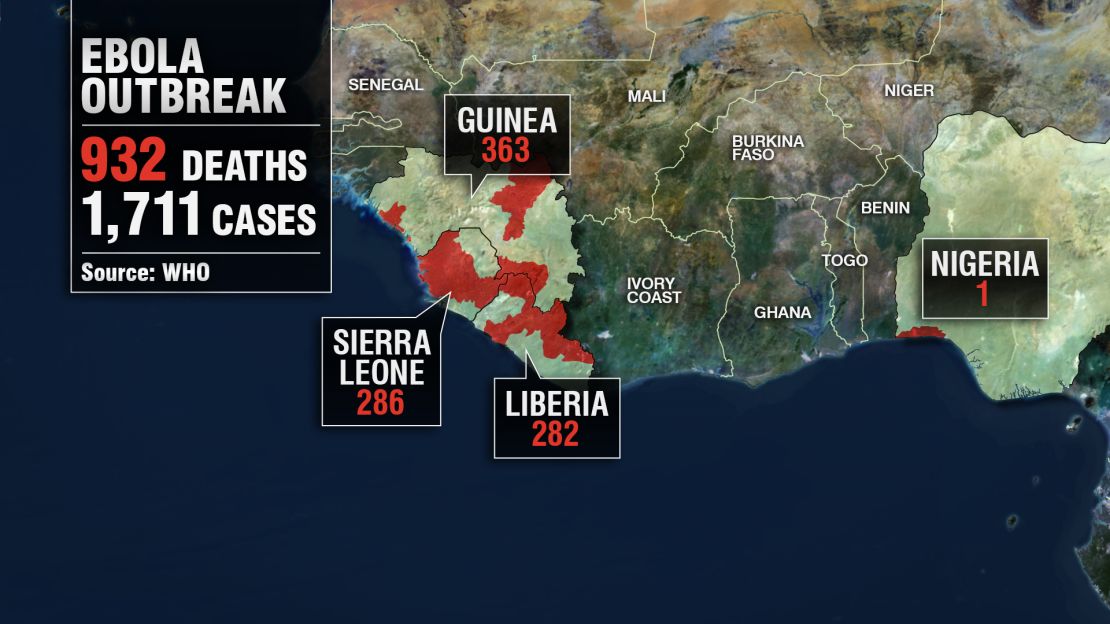
The gap between these reports and the local sentiment in Nanyuki highlights a critical breakdown in communication. Public health experts note that in the absence of transparent, real-time information, rumors regarding infectious diseases can spread rapidly, often fueling civil unrest. The fear of an “Ebola center” appears to be acting as a catalyst for deeper, pre-existing grievances regarding foreign intervention.
Medical professionals in the region have emphasized the importance of distinguishing between routine medical preparedness and the establishment of high-containment quarantine zones. Without official confirmation of a viral threat, the necessity and the location of such a facility remain subjects of intense local debate. For now, the claim that an Ebola epidemic is the primary driver for the facility remains unverified by any major international health agency.
Geopolitical Context: US-Kenya Defense and Health Cooperation
The tension in Nanyuki cannot be viewed in isolation from the broader, evolving relationship between the United States and Kenya. The US has long maintained a presence in Kenya, focusing on counter-terrorism, training, and regional stability. This presence is often facilitated through defense cooperation agreements that include the use of Kenyan airbases for logistics and specialized operations.
The proposal for a US-linked medical facility at the Nanyuki airbase falls within this context of expanded bilateral cooperation. However, such projects frequently encounter resistance from local populations who view them through the lens of sovereignty. The debate over the facility mirrors larger discussions in Kenya regarding the extent of US military and medical influence within the country’s borders.
Historically, health-related security initiatives have been part of US-Africa engagement strategies. While these programs are often designed to bolster regional pandemic preparedness, they can also be perceived as a form of “health diplomacy” that carries political and military undertones. In Nanyuki, the intersection of public health, military logistics, and foreign policy has created a flashpoint that tests the limits of local acceptance for international partnerships.
Why Nanyuki is a Flashpoint for Sovereignty Protests
To understand the anger in Nanyuki, one must look at the wider political climate in Kenya. Throughout 2024, Kenya has experienced significant civil unrest, driven largely by the “Gen Z” movement and widespread protests against government policies, including the Finance Bill and perceived lapses in governance. These movements have been characterized by a strong demand for transparency and a rejection of policies that are seen as infringing on Kenyan autonomy.
The Nanyuki protests appear to be an extension of this broader trend. The suspicion that a foreign power is establishing specialized facilities on Kenyan soil without clear, public-facing justifications aligns with the current national sentiment of skepticism toward both domestic and foreign leadership. The airbase in Nanyuki, being a site of international significance, serves as a symbolic location for these grievances.
The following table compares the current local claims with the official status of the situation to provide clarity on the diverging narratives:
| Issue | Local Protester Claims | Official/Verified Status |
|---|---|---|
| Disease Status | Active Ebola epidemic requiring quarantine. | No Ebola outbreak confirmed in Kenya by WHO or MoH. |
| Facility Purpose | Quarantine center specifically for American patients. | Purpose of the proposed facility remains unconfirmed by officials. |
| Location Context | Unsanctioned installation on a local airbase. | Facility is proposed for the Nanyuki airbase, a site of US-Kenya cooperation. |
| Public Consultation | Project is being forced without community input. | No official record of public hearings or community engagement has been released. |
This divide suggests that the unrest is not merely a medical concern but a political one. The lack of a clear, unified narrative from the Kenyan government and the US Embassy has allowed local fears to proliferate, transforming a potential health infrastructure project into a significant security challenge.
For residents of Nanyuki and the wider Laikipia County, the issue is one of both physical safety and political agency. Whether the facility is intended for Ebola containment, general pandemic preparedness, or other medical contingencies, the perceived lack of transparency has made it a symbol of the struggle for local control over national assets.
The next critical checkpoint in this developing story will be the official statement from the Kenyan Ministry of Health or the US Embassy regarding the specific nature and purpose of the Nanyuki project. Observers will also be watching for any official deployment of additional security or health monitoring teams to the region.
What are your thoughts on the balance between international health cooperation and national sovereignty? Share your comments below and share this article to keep the conversation going.
Worth a look