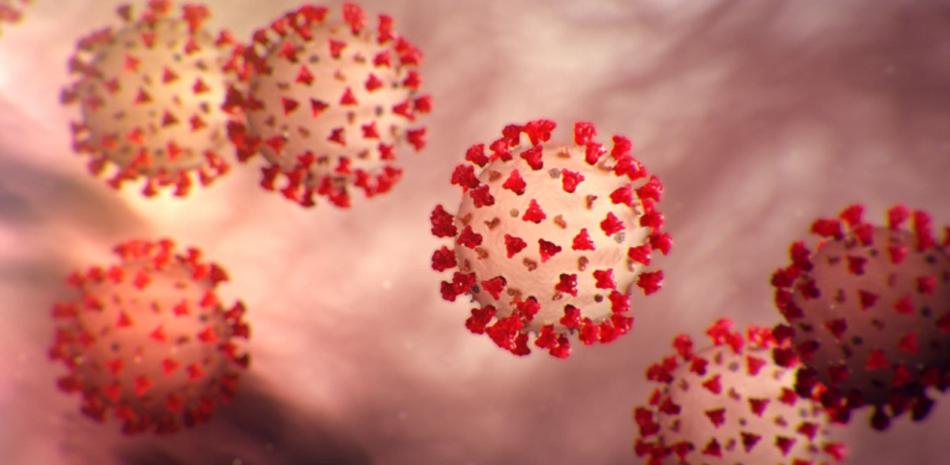
As we navigate the current landscape of public health, medical professionals are increasingly observing shifts in respiratory virus activity. In recent weeks, healthcare providers have noted a rise in patients presenting with symptoms consistent with COVID-19 in clinical settings. While seasonal fluctuations in viral transmission are common, the medical community remains vigilant, emphasizing the importance of ongoing monitoring and adherence to established public health protocols to manage these trends effectively.
For patients and the general public, understanding the current status of these respiratory illnesses is essential. According to the Pan American Health Organization (PAHO), maintaining robust surveillance systems is critical for detecting early signs of increased transmission, even as populations transition to managing the virus as an endemic health concern. Medical experts continue to stress that while clinical consultations for respiratory issues are increasing, the situation requires a balanced approach—one that combines individual health precautions with reliance on official, evidence-based guidance from health ministries.
Understanding Respiratory Trends and Clinical Observations
The recent reports of increased clinical consultations for COVID-19 underscore the necessity of sustained vigilance. Physicians and respiratory specialists are often the first to identify such trends, as they witness changes in patient volume and symptom profiles firsthand. When clinical offices report higher numbers of respiratory-related visits, it often prompts a broader review of laboratory data and epidemiological bulletins to determine the scale of the transmission.
Public health authorities regularly publish data to provide clarity during these periods of increased activity. The U.S. Centers for Disease Control and Prevention (CDC), for instance, provides comprehensive frameworks for tracking respiratory virus circulation, noting that symptoms for COVID-19, influenza, and respiratory syncytial virus (RSV) frequently overlap. This clinical similarity makes it challenging for patients to self-diagnose, reinforcing the importance of seeking professional medical advice when symptoms such as persistent cough, fever, or difficulty breathing appear.
a rise in consultations does not always correlate with a surge in severe hospitalizations or mortality, provided that vaccination rates and access to antiviral therapies remain stable. Health policies are generally designed to monitor these “leveled” outcomes to ensure that healthcare capacity remains sufficient. For those interested in tracking the latest data, official World Health Organization (WHO) situation reports offer global perspectives on how different regions are managing respiratory virus surges.
Public Health Measures and Individual Responsibility
In the face of fluctuating COVID-19 case numbers, public health strategies often emphasize a combination of community-level surveillance and individual risk mitigation. As a physician, I frequently advise my patients that the most effective tools at our disposal remain consistent: staying up-to-date with recommended vaccinations, practicing decent respiratory hygiene—such as covering coughs and washing hands—and staying home when feeling unwell.
The role of national health ministries is to interpret these trends and issue guidance that protects the most vulnerable members of society, including the elderly and those with underlying health conditions. By integrating data from clinical consultations with laboratory-confirmed cases, authorities can determine if specific interventions, such as increased testing or updated mask-wearing advisories, are necessary. Readers are encouraged to consult their local health department’s official website for the most accurate and region-specific guidance regarding current protective measures.
Key Takeaways for Patients
- Clinical Vigilance: A rise in outpatient visits for respiratory symptoms is a primary indicator for health officials to assess the current circulation of COVID-19 and other seasonal viruses.
- Symptom Management: Because COVID-19 symptoms often mirror those of the flu or common cold, professional evaluation is the only way to confirm a diagnosis and determine the appropriate treatment path.
- Vaccination Status: Ensuring that your vaccinations are current remains the most significant step in preventing severe illness, hospitalization, and death, even as the virus continues to evolve.
- Stay Informed: Rely on information from established public health institutions rather than anecdotal reports or social media, as official data provides the most accurate picture of community risk.
Looking Ahead: Surveillance and Reporting
As we move forward, the focus remains on transparent and timely communication. Public health agencies are committed to releasing periodic epidemiological updates that synthesize data from primary care clinics, hospitals, and diagnostic laboratories. These reports serve as the foundation for both policy decisions and individual health choices. The next scheduled release of regional epidemiological bulletins will be critical in determining whether the current uptick represents a short-term seasonal fluctuation or a more sustained trend that requires additional public health action.
Maintaining a proactive stance toward respiratory health is a collective effort. By staying informed through verified channels and following the advice of healthcare professionals, One can better manage the impact of COVID-19 and other circulating viruses. If you have concerns about your personal health or recent symptoms, I encourage you to reach out to your primary care physician to discuss your specific circumstances. We welcome your thoughts and questions in the comments section below, and please feel free to share this information with those in your community who may find it useful.
Worth a look
- FTC Sues Hims & Hers Over Deceptive Business Practices and Data Privacy Violations
- Do Cholesterol-Lowering Drugs Cause Muscle Pain and Weakness? New Study Findings
- Why Nighttime Heat Is Rising Faster Than Daytime Highs in US Cities (daybreakwire.com)
- Montana Department of Justice Unveils New PSAs to Address State’s Missing Persons Cases (news-usa.today)