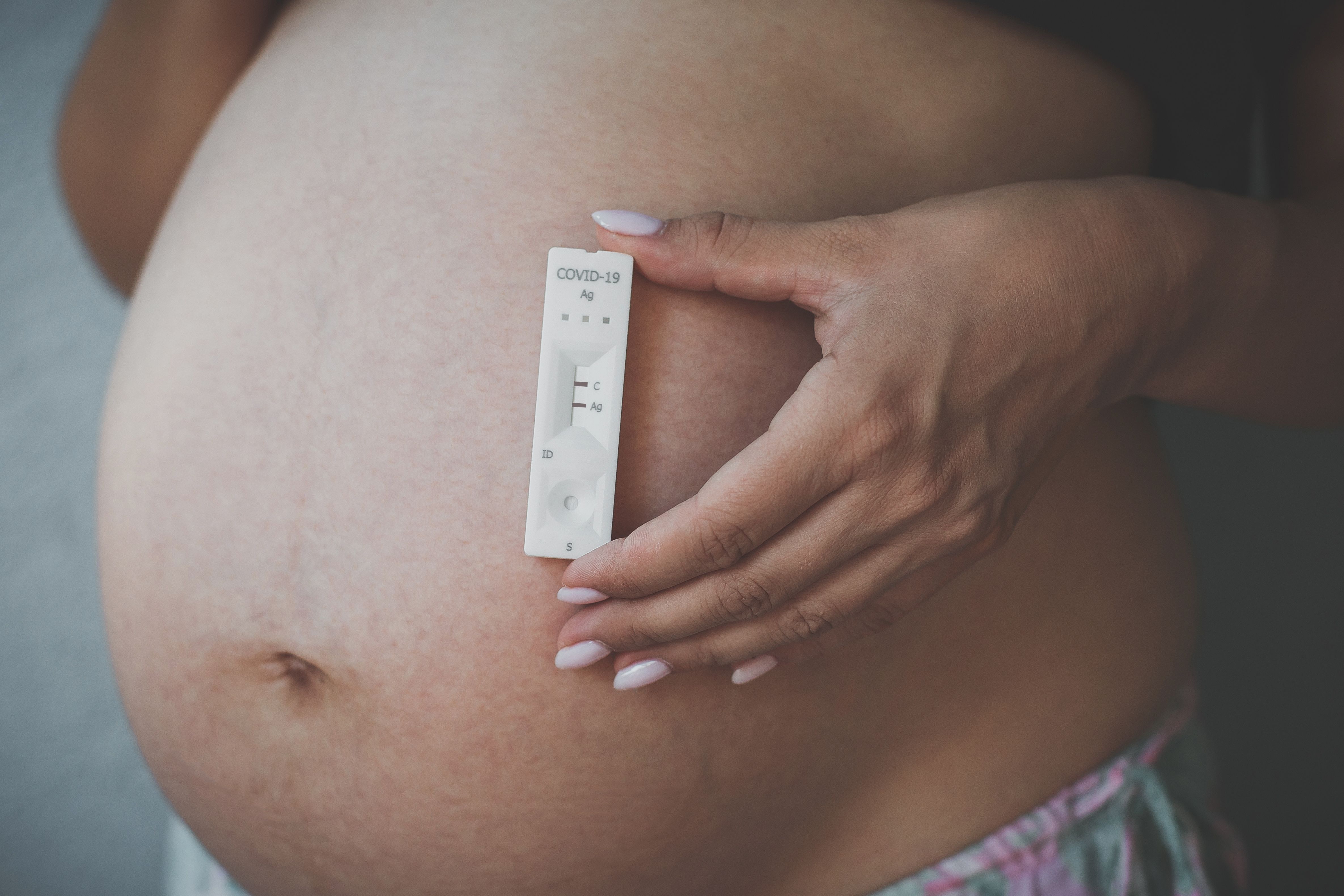
Recent research suggests a compelling link between maternal COVID-19 infection during pregnancy and an increased risk of neurodevelopmental disorders in children. This connection warrants careful consideration for both expectant parents and healthcare providers.
Here’s what you need to know about this emerging area of study:
The Potential Connection
Several studies are beginning to illuminate a possible association. specifically, children born to mothers who experienced COVID-19 while pregnant may have a slightly elevated risk of conditions like autism spectrum disorder and attention-deficit/hyperactivity disorder (ADHD). it’s importent to remember that this doesn’t mean infection causes these disorders, but rather suggests a potential increased vulnerability.
What the Research Shows
Investigations have focused on analyzing large datasets of birth records and health information. Researchers are looking for patterns and correlations between maternal COVID-19 status and neurodevelopmental outcomes in children. I’ve found that these studies often adjust for other factors that could contribute to these conditions, such as socioeconomic status and family history.
Key Findings to Date
* A recent analysis indicated a higher incidence of neurodevelopmental diagnoses in children whose mothers had COVID-19 during pregnancy.
* The timing of infection appears to be a factor,with infection during critical periods of fetal brain growth potentially carrying a greater risk.
* Severity of maternal illness doesn’t necessarily correlate with increased risk, meaning even mild cases could be relevant.
Why This Might Happen
Several theories attempt to explain this potential link. One possibility is that the virus or the body’s immune response to it can cause inflammation that affects fetal brain development. Another is that the virus might directly impact the developing brain. Further research is needed to fully understand the underlying mechanisms.
What You Can Do
If you are pregnant or planning to become pregnant, protecting yourself from COVID-19 remains crucial. Here are some steps you can take:
* Stay up-to-date with vaccinations, including boosters.
* Practice good hygiene,such as frequent handwashing.
* Consider wearing a mask in crowded indoor settings.
* If you contract COVID-19 during pregnancy, discuss your concerns with your healthcare provider.
Looking Ahead
Ongoing research is essential to confirm these findings and determine the long-term effects of maternal COVID-19 infection. Here’s what works best: continued monitoring of children born during the pandemic will provide valuable insights. Ultimately, a deeper understanding of this connection will allow for more informed preventative measures and support for families.
Related reading